Structural fabrication is the backbone in contemporary buildings, manufacturing and infrastructure. Whether they are used in industrial plants, warehouses, commercial buildings or even bridges, steel components are precisely engineered and then manufactured and assembled through structural fabrication to meet project requirements.
With industrial projects getting more complex, the need for safe and durable structures has necessitated effective structural steel fabrication services, which is essential to delivering cost-effective development. Being aware of this process can help project owners make good decisions and take the right steps to selecting the ideal fabrication partner for a lasting outcome.
Quick Summary
-
Structural fabrication transforms raw steel into engineered structural components.
-
The process includes design, cutting, welding, assembly, and quality inspection.
-
Industrial projects rely on accurate and efficient fabrication for safety and durability.
-
Choosing experienced fabricators helps reduce delays and project costs.
-
Trusted companies like Afco Steel provide customized solutions for diverse industrial requirements.
What Is Structural Fabrication and How Does the Process Work?
Structural fabrication simply means the transformation of raw steel into customized structural assemblies used in construction and industry. The process of structural steel fabricating is done through a combination of planned sequences that deliver precision, strength and conformity along with the specifications of the project.
Key Stages of the Structural Steel Fabrication Process
1. Design and Engineering
It all starts with engineering drawings and 3D models in detail. Before production takes place, fabricators evaluate project requirements, sizes and space restrictions, load requirements as well as material standards.
2. Material Selection
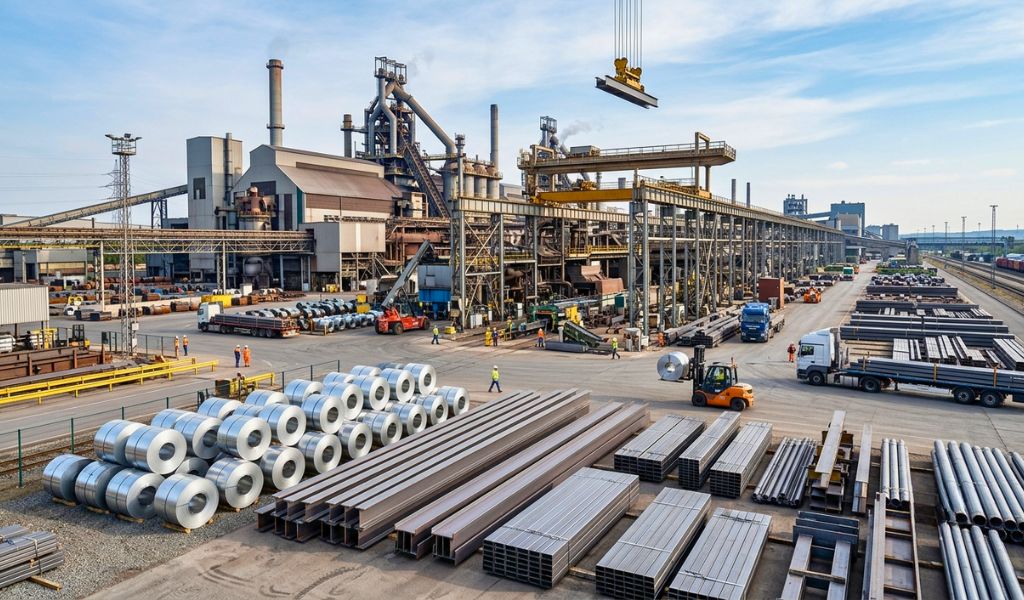
Premium steel is always procured from a reliable supplier. Hence, most contractors use prominent structural steel suppliers in Saudi Arabia to maintain consistent quality of materials while complying with industry standards.
3. Cutting and Shaping
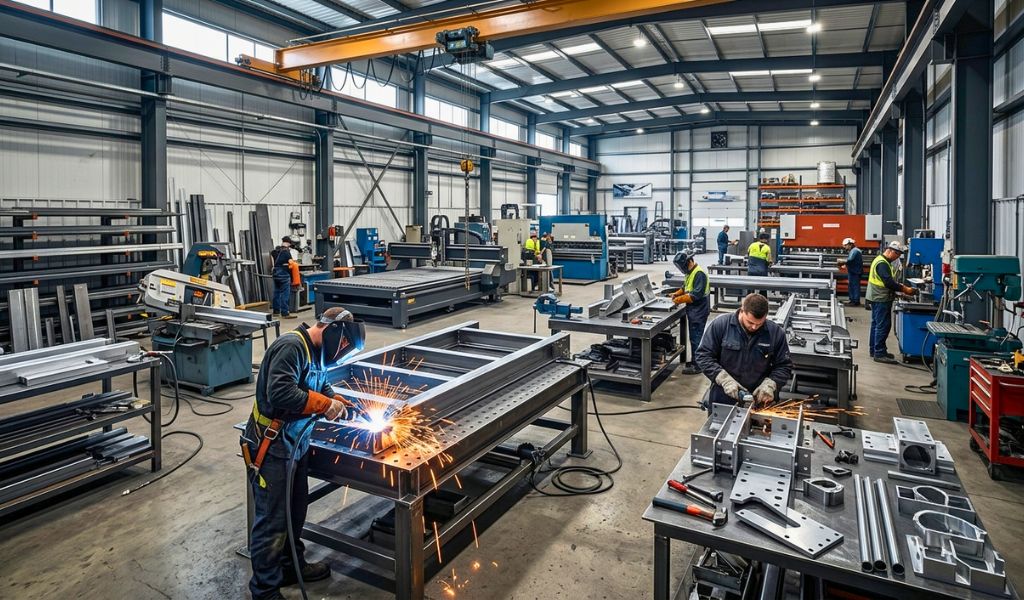
CNC cutters, laser cutters and plasma cutting systems are examples of advanced machines employed to accurately shape steel parts.
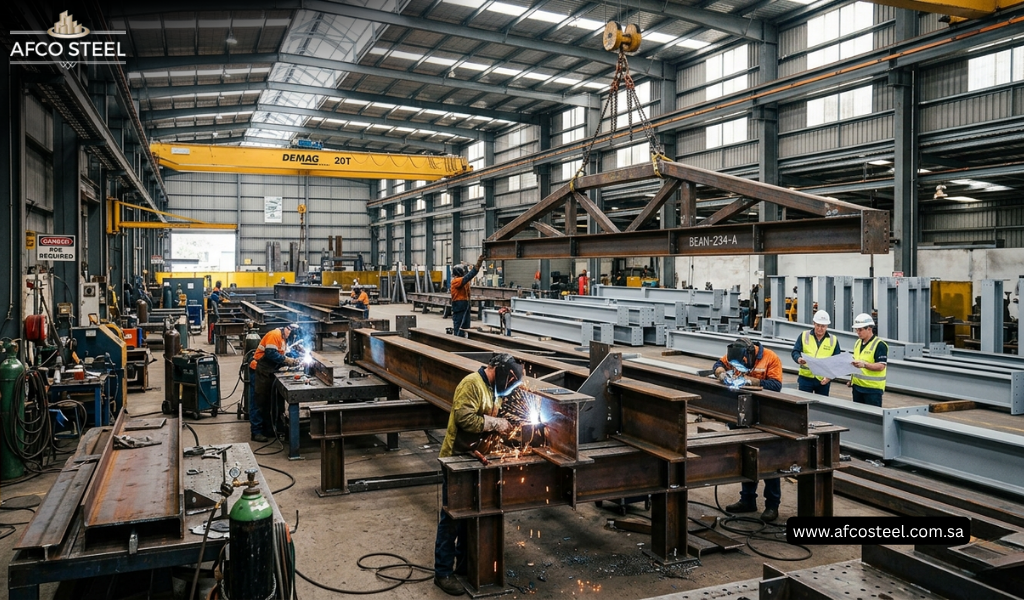
4. Welding and Assembly
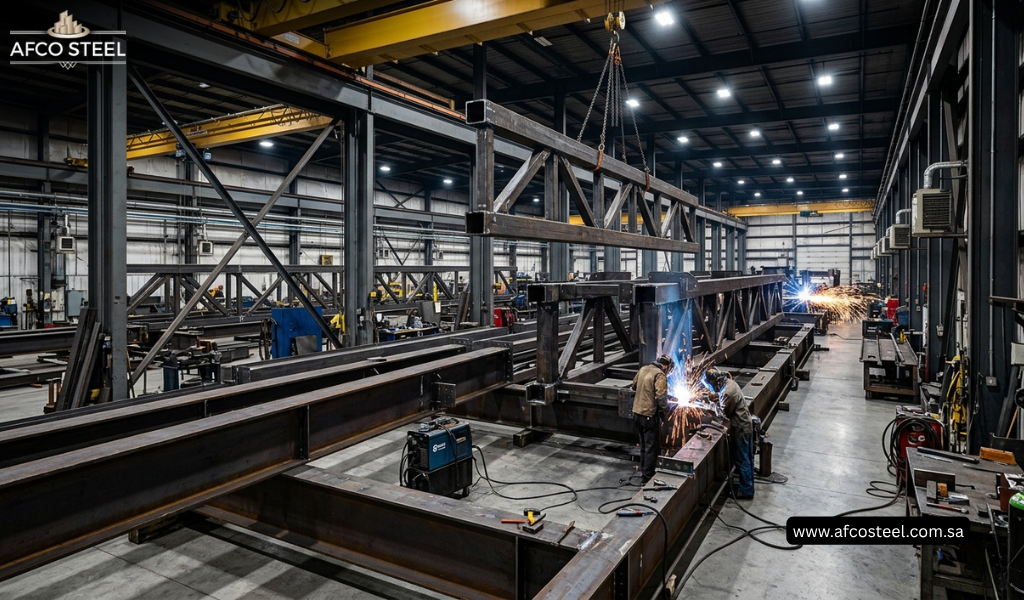
Fabricated parts are welded and assembled according to design specifications. Skilled welders ensure structural integrity and long-term durability.
5. Surface Treatment
Steel components may undergo sandblasting, galvanizing, or protective coating applications to improve corrosion resistance and longevity.
6. Quality Inspection
Each component is responsible for meeting geometric tolerances, weld integrity, and engineering specification before it leaves the shop.
Practical Information Table
|
Fabrication Stage |
Purpose |
Key Benefit |
|
Design & Engineering |
Create accurate fabrication plans |
Reduces project errors |
|
Material Selection |
Choose suitable steel grades |
Improves structural strength |
|
Cutting & Shaping |
Form steel components |
Ensures precision |
|
Welding & Assembly |
Join fabricated sections |
Enhances durability |
|
Surface Treatment |
Protect steel surfaces |
Increases lifespan |
|
Quality Control |
Verify compliance |
Improves safety and reliability |
How Do I Choose the Right Structural Fabrication Company for my Project?
Selecting the right fabrication partner can significantly impact project timelines, quality, and costs.
Look for Industry Experience
With years of experience in hand, a company knows exactly how to deep dive into the complicated project requirements and demonstrate solutions accordingly as per the specific industries.
Evaluate Technical Capabilities
Contemporary equipment, knowledgeable personnel and full-service structural steel fabrication with everything all under one roof should be nested in a modern-day fabrication plant.
Review Quality Standards
Opt for a firm that adheres to the quality management protocol recognised widely and does extensive inspections during production.
Assess Project Portfolio
Observation of past works helps to get insight about what the company is capable of and how good experience they have in industrial structural fabrication.
Consider Customer Support
Through effective communication and ongoing project management, you can stave off delays and facilitate a smooth transition from design to installation.
That is why industrial clients often turn to companies like Afco Steel, known for quality, engineering ability and custom fabrication solutions.
Also read:- How to Find Structural Fabrication Services for Large Construction Projects?
What Are the Benefits of Structural Fabrication in Industrial Construction?
Structural fabrication offers numerous advantages for industrial and commercial construction projects.
Faster Project Completion
Pre-fabricated components can be manufactured off-site while site preparation continues, reducing overall project timelines.
Improved Precision
Modern fabrication technologies deliver highly accurate components, minimizing installation issues and material waste.
Enhanced Structural Strength
Well manufactured steel structures are capable of bearing heavy load weight and withstand for many years.
Cost Efficiency
All of these benefit in terms of a lesser requirement for labour, lesser material waste and reduced cost of on-site modification.
Greater Design Flexibility
Many industrial projects require bespoke structural solutions. Engineers are allowed the freedom by industrial structural fabrication to devise intricate designs in accordance with specific operational demand.
Better Quality Control
Controlled production environments found in fabrication facilities help maintain consistent quality and adherence to engineering standards.
Afco Steel is among the finest in the industry and some of the most reliable firms for businesses looking for fabrication solutions; we have worked on a variety of projects, both industrial and commercial.
Why Structural Fabrication Matters for Modern Construction?
With the increasing size and technical complexity of construction projects, structural metalwork is still a fundamental component in completing these projects successfully. FabSteel manufacturers play a key role in the construction and development of everything from manufacturing facilities and logistics centers to power plants and infrastructure developments, providing modern construction with the strength, flexibility, and efficiency it requires.
Partnering with trusted structural steel suppliers in Saudi Arabia and proficient fabrication experts can provide dependable project results and sustained structural fidelity.
Conclusion
One of the most basic foundations of industrial or commercial construction is understanding structural fabrication. It is a multi-step process that blends engineering skill, sophisticated technology, and handcrafting skills to fabricate steel structures that are strong and dependable.
If you are going to make a manufacturing plant, warehouse or any infrastructure project, opting for professional structural steel fabrication services can enhance the quality, minimise cost and ease the execution of the projects. However, by working with a reputable provider such as Afco Steel, you can ensure your project proceeds safely and efficiently and to the highest possible standard.
FAQs on Structural Fabrication
1. What is structural fabrication used for?
Structural fabrication is used to create steel components for buildings, warehouses, industrial facilities, bridges, and infrastructure projects.
2. How long does the structural steel fabrication process take?
The timeline depends on project size, design complexity, material availability, and fabrication requirements. Most projects range from a few weeks to several months.
3. Why is structural steel preferred in industrial construction?
Structural steel offers high strength, durability, design flexibility, and faster construction compared to many alternative materials.
4. How do I find reliable structural steel suppliers in Saudi Arabia?
Look for suppliers with proven industry experience, quality certifications, strong project portfolios, and comprehensive fabrication capabilities.