The structural steel is a key component of the strong and reliable frame that commercial buildings depend on. From warehouses and factories to offices and large commercial facilities, the quality of the steel and the supplier behind it can impact safety, durability, construction time, and overall project costs.
The right supplier should have more than just steel products. You need a partner with the technical expertise, consistent material quality, accurate fabrication capabilities, and reliable delivery. Whether your project involves structural steel construction or complex industrial steel structures, a thorough supplier assessment can save you from costly delays and quality issues.
Quick Summary
-
Check the quality of the materials, certifications, and manufacturing standards before placing an order.
-
Evaluate the supplier’s experience on commercial and industrial projects.
-
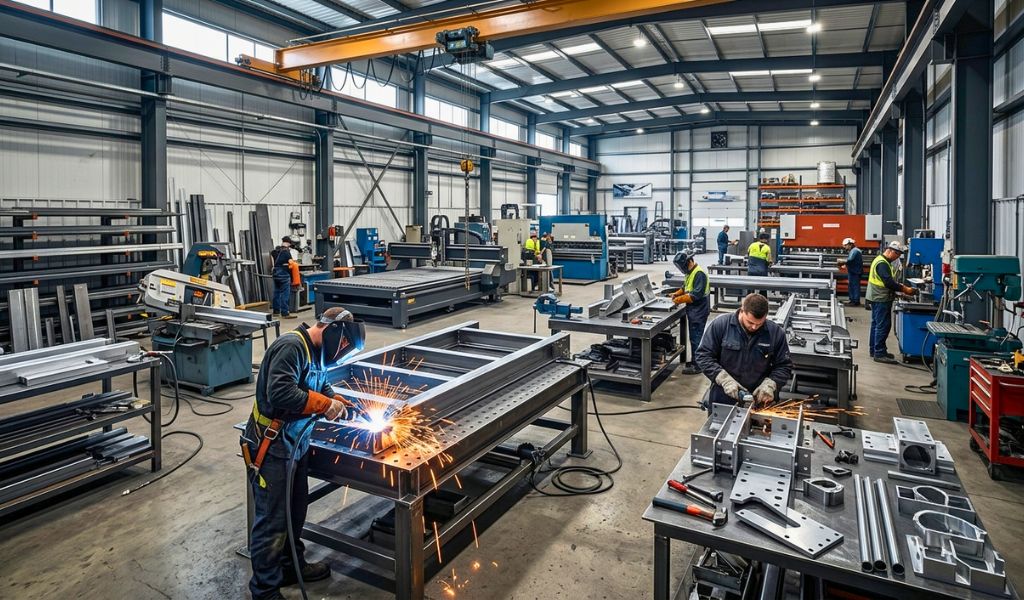
Verify structural steel fabrication, cutting, welding, and finishing capabilities.
-
And compare lead times, delivery, technical support, and overall value.
-
Select a supplier that can produce steel to the precise structural requirements of your project.
What is structural steel and why is it used in industrial buildings?
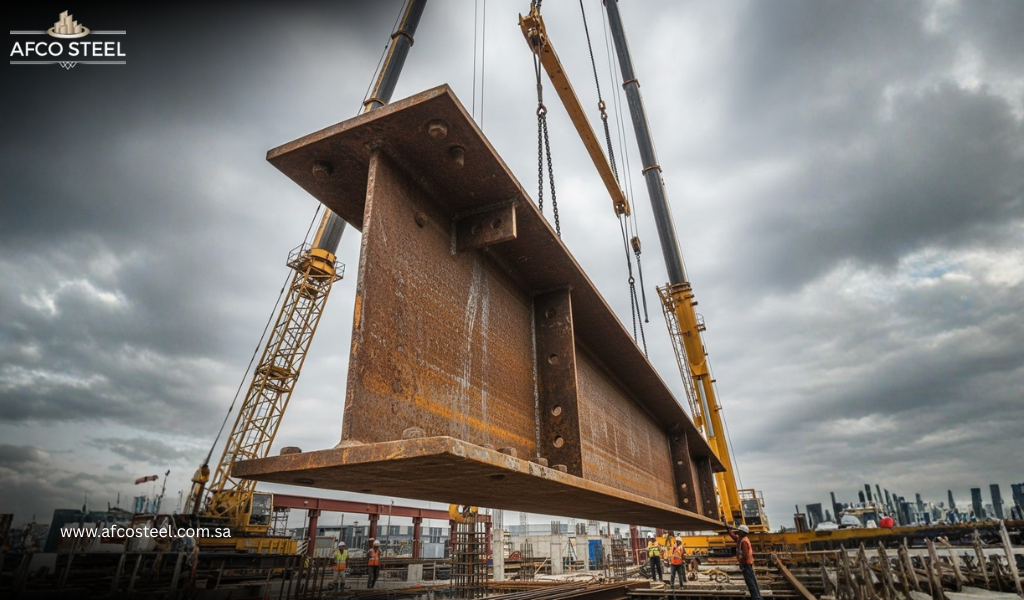
Structural steel is steel made into specific grades and shapes to support loads in a building or structure. Typical components include columns, beams, frames, plates, and connections.
It is widely used as it offers a great combination of strength, durability, and flexibility in design. Steel components can be precision-fabricated off-site to help projects move along quickly.
Structural steel buildings can offer large open internal spaces and flexible layouts for large facilities. This makes them ideally suited to warehouses, manufacturing facilities, commercial premises, and other demanding applications.
Why does supplier quality matter?
Even the best-designed structures require properly made components. A supplier must demonstrate that it has appropriate quality-control procedures and can provide traceability and consistency from batch to batch.
How does structural steel improve building safety?
Safety starts with good engineering and continues through the making of materials, fabrication, and installation. When properly fabricated, structural steel beams and other load-bearing elements can offer predictable structural behaviour when designed and installed in accordance with applicable engineering requirements.
A good supplier will understand specifications, tolerances, welding requirements, and project documentation. Quality checks in structural steel fabrication are also important since incorrect dimensions or poor workmanship can cause problems in assembly.
Ensure that the supplier is working to approve drawings and meeting the required project specifications, rather than just providing standard off-the-shelf items.
Is structural steel better than concrete for industrial construction?
No material is inherently superior for every project. The right choice depends on considerations like building size, building design, loads, construction program, site conditions, and budget.
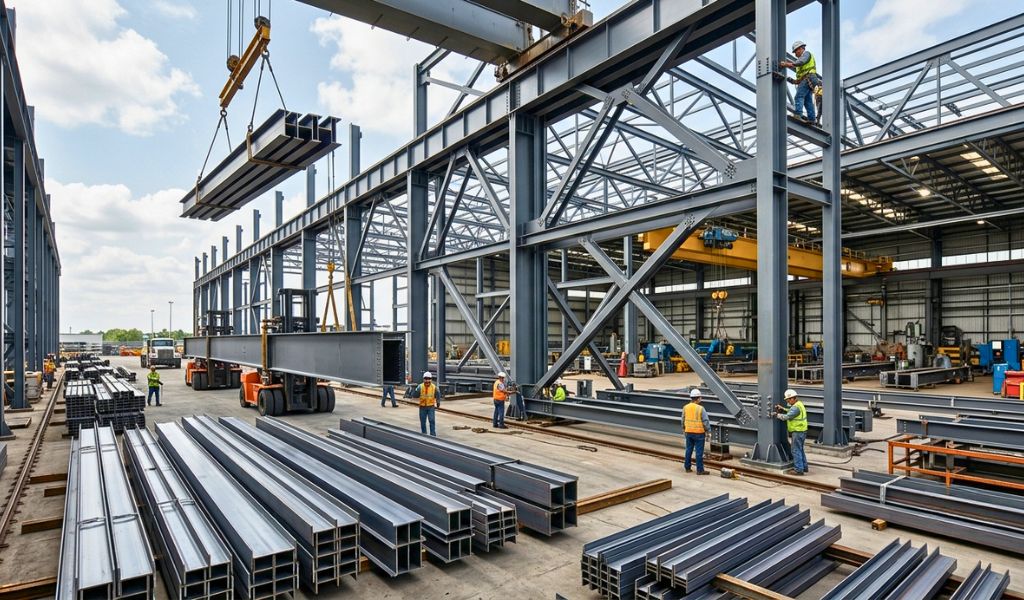
However, structural steel construction can provide several advantages where speed, long spans, and design flexibility are important. Steel components can be prefabricated off-site and assembled in an efficient manner that may reduce on-site construction time.
Concrete can still be very appropriate for foundations, floors, and some structural uses. Many commercial developments combine steel and concrete to provide the performance required.
What are the benefits of structural steel construction?
A well-designed structural steel construction project can offer some practical benefits:
Strength and durability
Steel has a good strength-to-weight ratio, which makes it a good choice for buildings that require significant load-bearing capacity but do not need excessively heavy structural components.
Faster construction
Factory-based production and pre-engineered components can facilitate site assembly. That could help contractors keep tighter project schedules.
Design flexibility
Steel can accommodate wide spans, large openings, and flexible layouts. This is useful in those circumstances where commercial buildings may need modifications at some future time.
Consistent fabrication
Professional structural steel fabrication enables cutting, drilling, welding, and finishing of components to specified dimensions before delivery.
Suitable for demanding applications
Industrial steel structures can be designed to meet different operational requirements and building configurations, from warehouses to production facilities.
Which type of structural steel is best for commercial buildings?
There is no one grade or profile that is best for all commercial building types. The choice of the right material depends on the calculations of the structural engineer, loading conditions, span requirements, environmental exposure, and design specifications.
Common components include:
-
Columns: Provide support to carry vertical loads.
-
Plates and Connecting Components: Contribute to the connection of structural members and force transfer.
-
Hollow Sections: Suitable for selected columns, frameworks, and architectural uses.
The proper grade, sizes, and member shapes should be decided by the engineer in charge. Then it’s the supplier’s role to supply materials that meet those approved requirements consistently.
What should I consider when choosing structural steel for a building?
Here are the important things to consider before you choose a supplier:
1. Material quality
Ask about steel grades, testing, certifications, and traceability. The documentation should be appropriate for the needs of your project.
2. Fabrication capability
A good supplier will have the equipment and expertise to accurately fabricate structural steel, including cutting, drilling, welding, and finishing.
3. Relevant experience
Look for experience in commercial buildings, warehouses, factories, and other structural steel buildings like yours.
4. Delivery capacity
Even the best materials are of little use if they arrive too late. Discuss production schedules, delivery arrangements, and the supplier's ability to handle large orders.
5. Technical support
Good communication between suppliers, engineers, contractors, and project managers can help to prevent misunderstandings and unnecessary delays.
6. Total project value
Don’t just judge suppliers on price. Quality, fabrication accuracy, delivery dependability, technical support, and long-term performance.
Practical Information Table
|
Factor |
What to Check |
Why It Matters |
|
Material quality |
Grade, certification, and traceability |
Supports consistent structural performance |
|
Fabrication |
Cutting, drilling, welding, and finishing |
Helps achieve accurate site assembly |
|
Experience |
Similar commercial or industrial projects |
Indicates practical expertise |
|
Capacity |
Production capability and equipment |
Helps meet project volume requirements |
|
Delivery |
Lead times and logistics |
Reduces construction delays |
|
Technical support |
Drawings, specifications, and communication |
Helps prevent costly misunderstandings |
|
Cost |
Overall project value, not just unit price |
Balances budget with quality and reliability |
Also read:- What Are the Different Types of Structural Steel Used in Industrial Buildings?
Why work with an experienced structural steel supplier?
Commercial projects are often under tight schedules and complex technical specifications. An experienced supplier can help coordinate material specifications, fabrication requirements, and delivery in a more effective way.
Afco Steel delivers steel solutions for projects demanding quality, precision, and dependable supply. Collaborating with an established provider gives project teams greater confidence in their ability to manage complex industrial steel structures and commercial developments.
Always ask for technical information, check the specifications, and discuss your program with the supplier before placing an order. Up-front detailed discussion can avoid costly changes down the line.
Conclusion
The best supplier of structural steel may not be the one who gives you the lowest initial quote. Check for proven experience, reliable quality of materials, accurate structural steel fabrication, strong production capacity, and reliable delivery.
If you are building commercial premises, a warehouse, or large structural steel buildings, the right supplier can help to make construction safer, project delivery smoother, and deliver better long-term value. For reliable steel solutions designed to meet the demands of tough commercial and industrial applications, Afco Steel is a name to know.
FAQs on Structural Steel Supplier
1. What should I look for in a structural steel supplier?
Look for proven industry experience, certified materials, accurate fabrication, reliable delivery, technical support, and the capacity to meet your project requirements.
2. Why is structural steel commonly used for commercial buildings?
Structural steel offers high strength, design flexibility, and efficient fabrication, making it suitable for many commercial and industrial building applications.
3. Are structural steel buildings faster to construct?
They can be, particularly when components are fabricated off-site and delivered ready for efficient assembly. Actual construction time depends on project design and site conditions.
4. What are structural steel beams used for?
Structural steel beams transfer loads across spans and support floors, roofs, and other structural elements within a building.