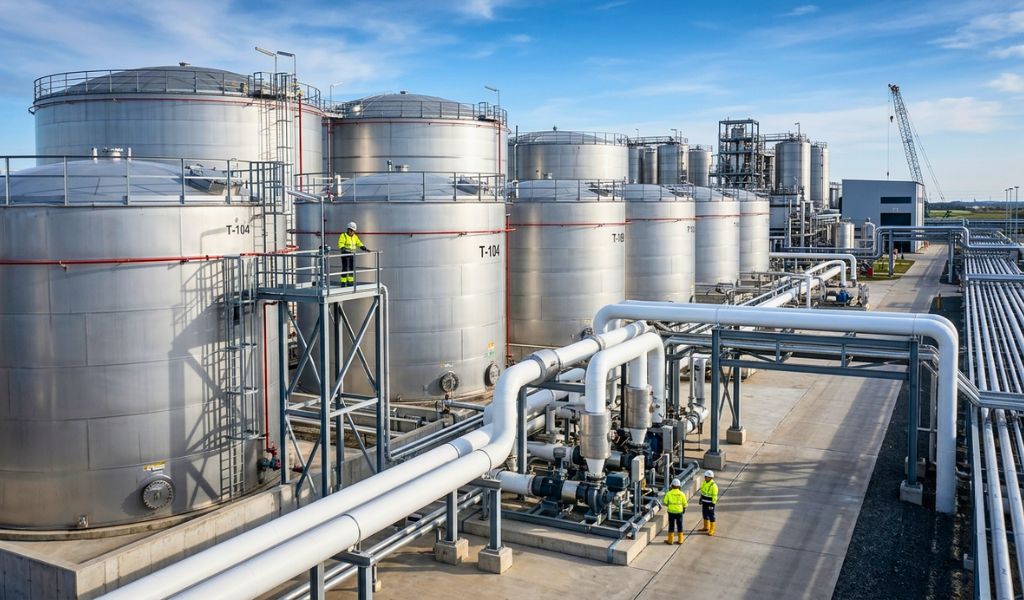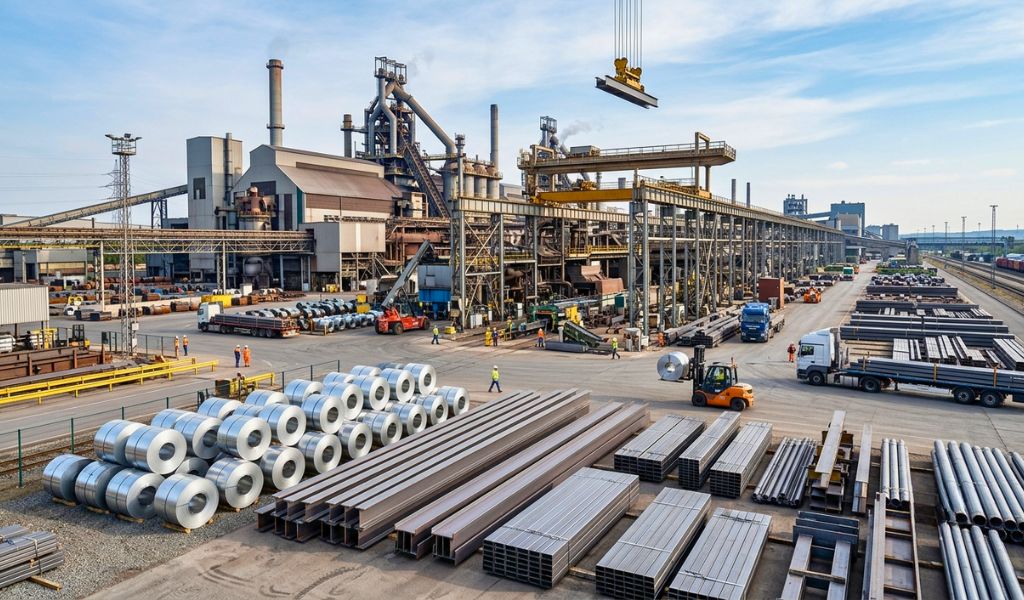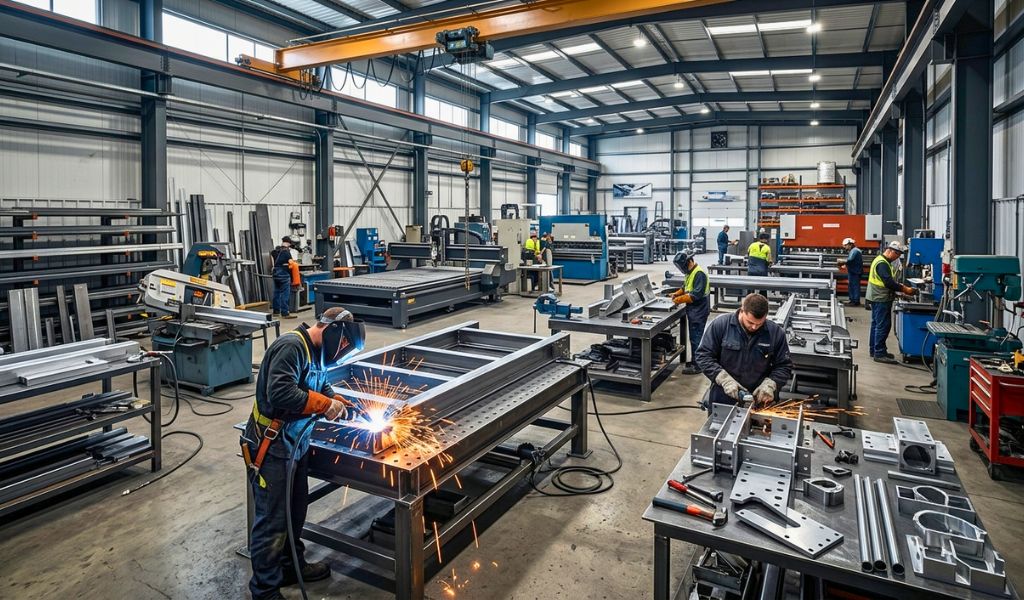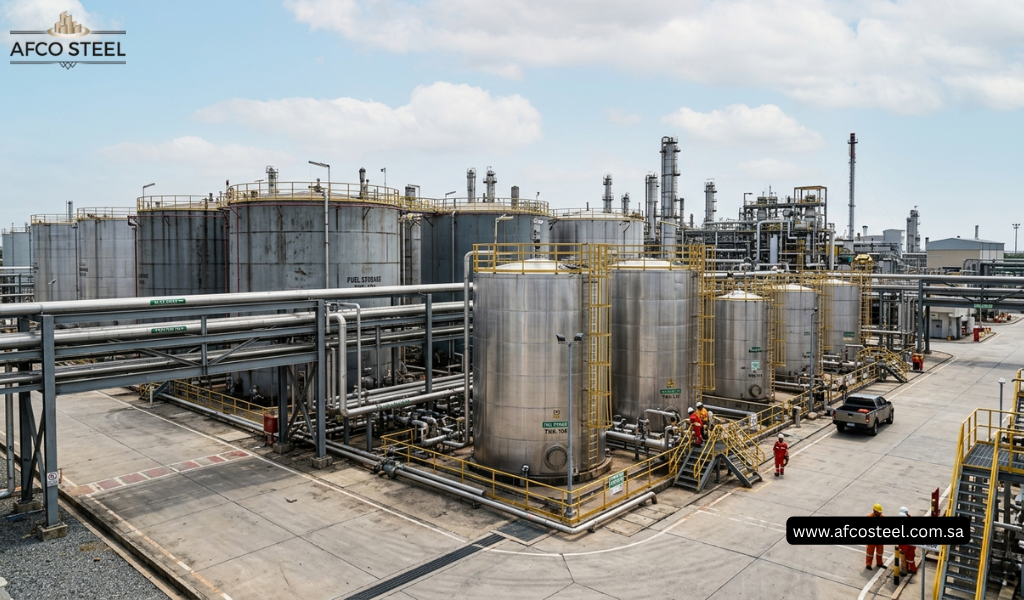
Storage tanks since entering storage for the safe and efficient storage of liquids, chemicals, fuels, water and pet foods is critical to many industries. Modern storage tanks use state-of-the-art technology for functionality and safe operations across industrial settings, such as factories, warehouses, agricultural land or commercial facilities to increase operational efficiency, ensure safety and mitigate waste. So whether you are planning to buy a tank now or in the future, this step is helpful for new industrial setup, as well as existing, and it could provide you with insight into what materials/what designs/removal operations your tank would require, so that investment takes place right.
Well-known companies like Afco Steel, offer durable and customized tank solutions for all industrial and commercial applications to help businesses achieve lasting performance with low maintenance.
What Are Storage Tanks and What Are They Used For?
Storage tanks are purposefully designed containers to contain liquids, gases or containers for bulk materials for temporary storage or long term containment. They are common in several industries: oil and gas, manufacturing, food processing, agriculture, water treatment, and construction.
Some common applications include:
-
Water storage for residential and industrial facilities
-
Fuel and chemical storage
-
Agricultural irrigation systems
-
Fire protection systems
-
Wastewater management
-
Food-grade liquid storage
Modern industrial storage tanks are designed to handle extreme temperatures, pressure variations, and corrosive substances while maintaining product safety and operational reliability.
What Are the Different Types of Storage Tanks?
Before you choose the perfect system for your business, have some knowledge of the varieties present. Various industries require various types of tank structures depending on the material, environmental conditions, containment capacity, etc.
1. Vertical Storage Tanks
They are typically utilized in storage of liquids like water, chemicals and petroleum goods. The vertical design saves space while supporting large storage volumes.
2. Horizontal Storage Tanks
Horizontal tanks are best suited for places with vertical constraints; they transport liquid and fuel.
3. Underground Storage Tanks
Installed below ground level, these tanks are widely used for fuel stations and water reserve systems.
4. Above-Ground Storage Tanks
These are easier to inspect and maintain, making them popular in industrial and commercial operations.
5. Bolted Steel Tanks
Bolted tanks are modular and easy to install. Many businesses prefer steel storage tanks because of their durability and long service life.
6. Stainless Steel Tanks
These tanks are commonly used in food processing, pharmaceuticals, and chemical industries due to their corrosion resistance and hygienic properties.
Reliable manufacturers like Afco Steel offer customized solutions for different commercial storage tanks and industrial applications based on specific project requirements.
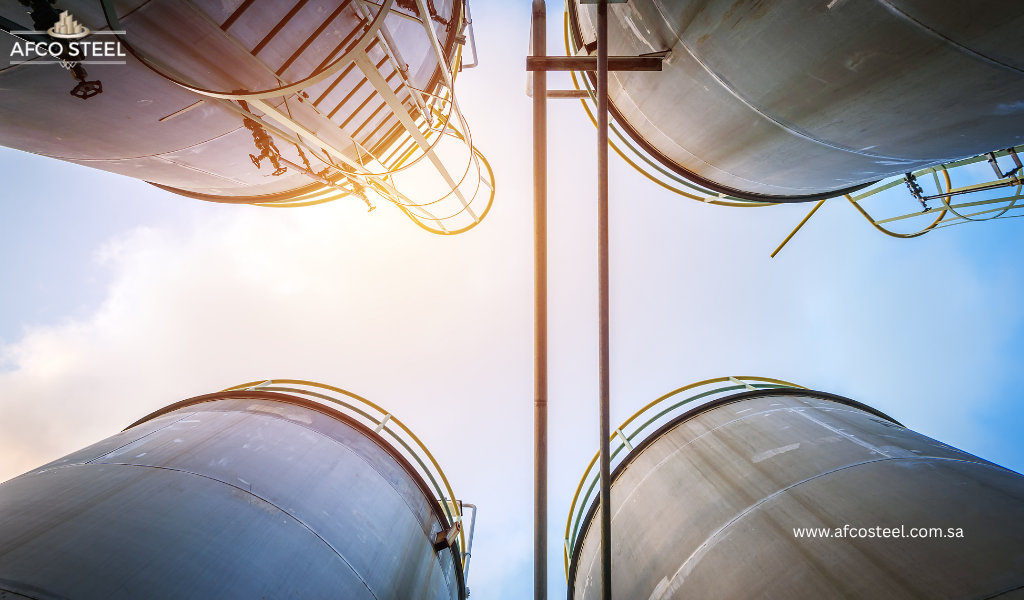
Which Material Is Best for Storage Tanks in Hot Climates?
Making the right choice of material especially in areas with intense heat and weather conditions. Steel storage tanks offer higher strength, heat resistance and long lasting performance; hence its suitable in hot climates.
Here’s why steel remains a preferred choice:
-
Excellent structural strength
-
High resistance to UV exposure
-
Long lifespan with proper coating
-
Better fire resistance compared to plastic alternatives
-
Suitable for large-capacity industrial use
A professional steel storage tanks manufacturer can also apply specialized coatings and insulation systems to improve heat resistance and prevent corrosion in extreme environments.
Also read:- How to Choose a Steel Factory for Bulk Storage Tanks in Saudi Arabia?
How Are Storage Tanks Designed for Safety and Durability?
Modern industrial storage tanks have been designed with advanced safety features to help prevent leaks, soil and water contamination and structural failure. Design is key, both for functional health and regulatory compliance.
Key safety and durability features include:
Corrosion-Resistant Coatings
Protective coatings help extend tank life by reducing rust and chemical damage.
Reinforced Steel Structures
High-quality steel improves load-bearing capacity and structural integrity.
Leak Detection Systems
Many modern tanks include monitoring systems to identify leaks early and reduce operational risks.
Pressure and Temperature Controls
Industrial tanks often include ventilation and pressure-relief systems for safe operation.
Regular Inspection Access
Well-designed tanks allow easy inspection and cleaning, helping businesses maintain safety standards.
Leading brands like Afco Steel focus on manufacturing high-performance tank systems that meet modern industrial requirements while maintaining long-term reliability.
Maintenance Best Practices for Storage Tanks
Proper maintenance helps extend the lifespan of commercial storage tanks and prevents costly repairs or operational downtime.
Schedule Routine Inspections
Inspect tanks regularly for corrosion, leaks, cracks, or coating damage.
Clean Tanks Periodically
Sediment buildup can affect storage quality and reduce efficiency.
Monitor Environmental Exposure
Extreme heat, moisture, and chemical exposure can impact tank performance over time.
Repair Damage Immediately
Minor cracks or leaks should be addressed before they become larger structural problems.
Work with Experienced Manufacturers
Choosing an experienced steel storage tanks manufacturer ensures better product quality and long-term support.
Why Do Businesses Prefer Steel Storage Tanks?
Steel storage tanks are preferred by businesses in various industries for their combination of strength, safety and affordability. While steel tanks are a good choice for storing water, chemicals, oils and industrial liquids as they need less maintenance from other materials during their lifetime.
Moreover, they are extremely customizable and suitable for small as well as mega industrial projects.
Conclusion
Investing in high-quality storage tanks is essential for businesses that require safe, reliable, and efficient storage solutions. By understanding the types of storage tanks, selecting the right materials, and following proper maintenance practices, companies can improve operational performance and reduce long-term costs.
Regardless if you are using commercial or industrial uses of commercial storage tanks, with a reputable company such as this working with you, quality, fault free safety equipment will be guaranteed to deliver long lasting value.
FAQs on Storage Tanks
1. What are storage tanks used for?
Storage tanks are used to safely store liquids, chemicals, gases, fuels, and water for industrial, agricultural, and commercial purposes.
2. Which are the most durable types of storage tanks?
Steel and stainless steel tanks are considered among the most durable options due to their strength, corrosion resistance, and long lifespan.
3. Why are steel storage tanks popular in industrial applications?
Steel storage tanks are preferred because they offer excellent durability, heat resistance, and structural stability for large-scale storage needs.
4. How often should storage tanks be inspected?
Most experts recommend inspecting storage tanks at least once or twice a year, depending on usage, environmental conditions, and stored materials.