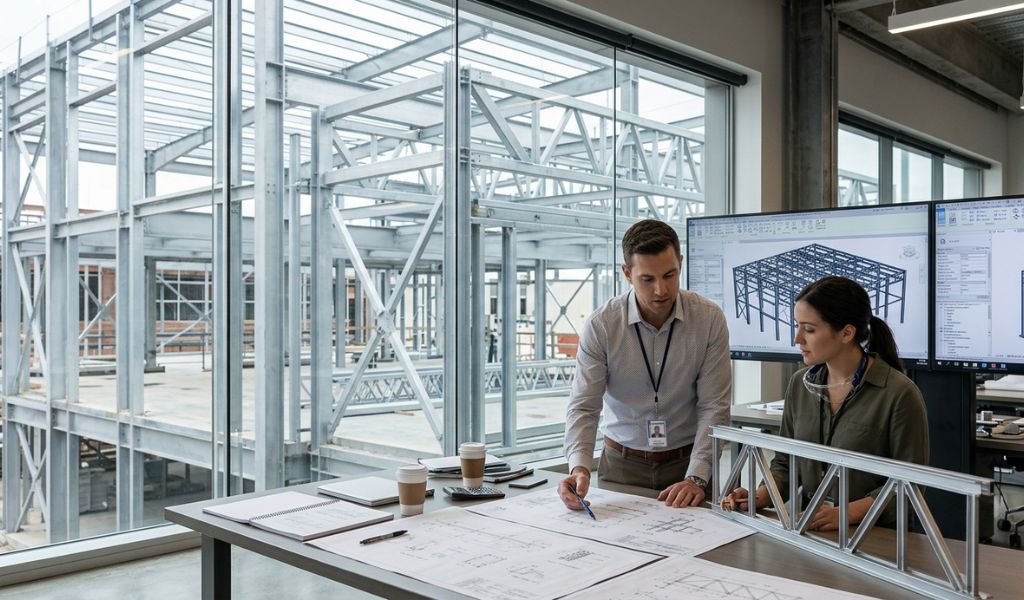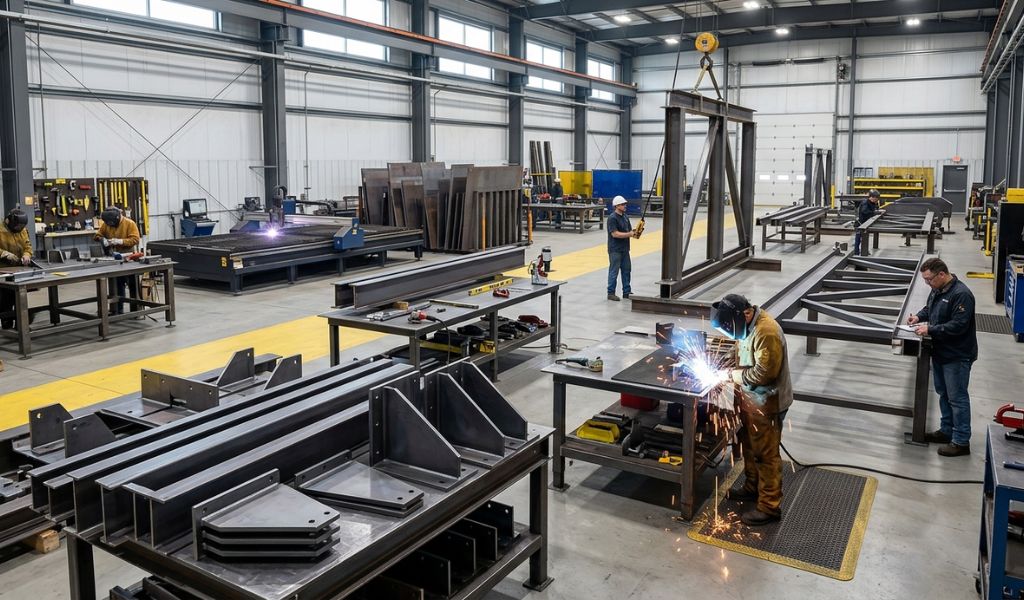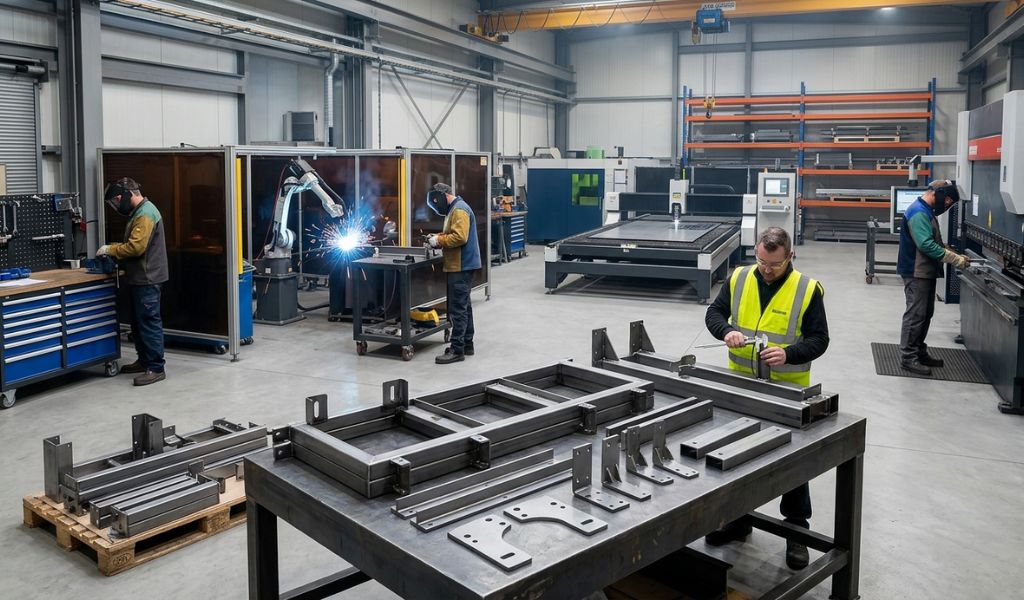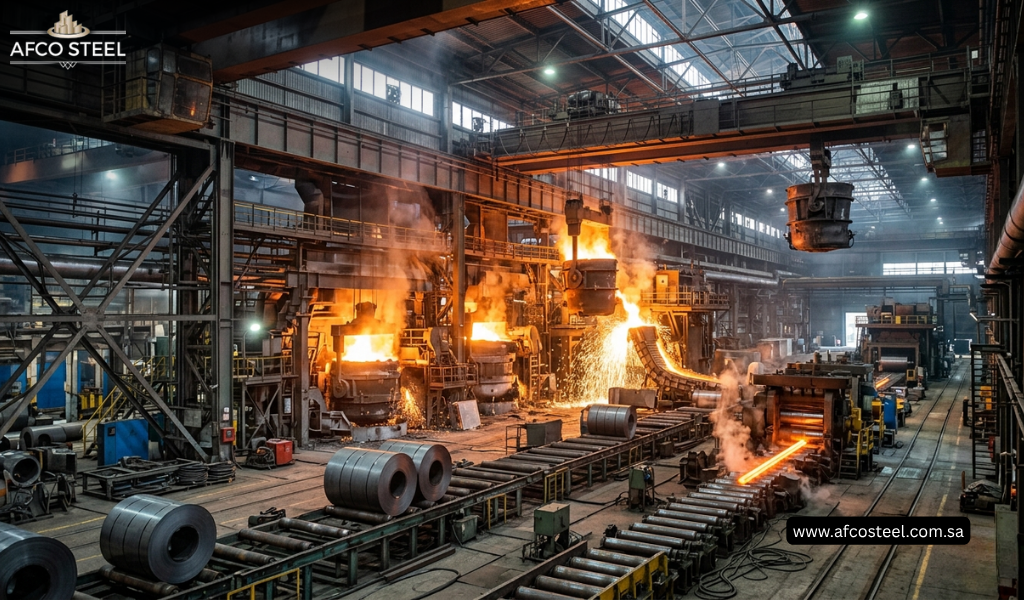
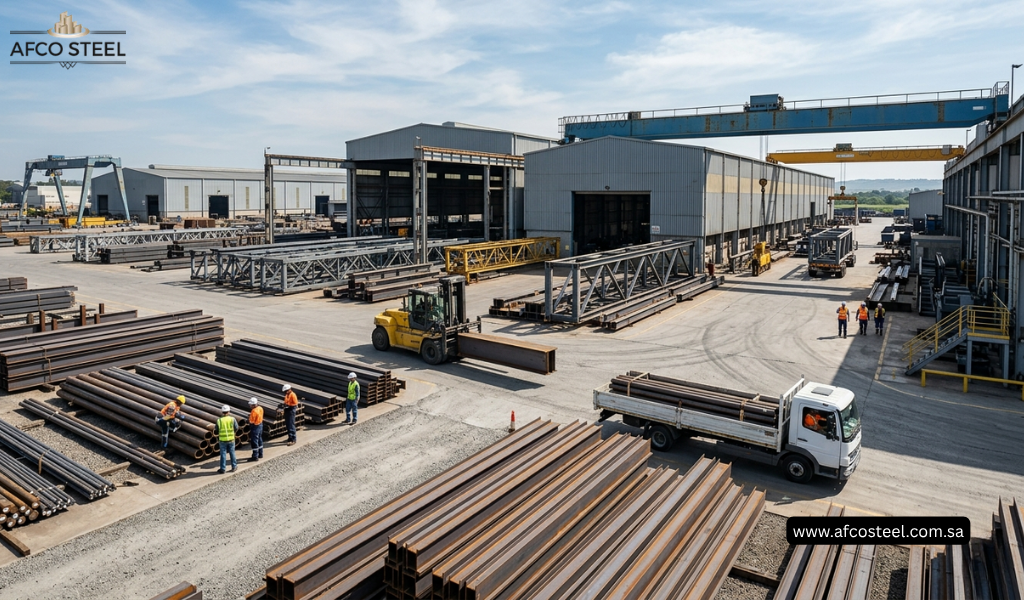
A steel factory is essential for the modern world as it provides materials for manufacturing, construction, and industrial development. Steel is still one of the most produced materials globally, from skyscrapers and bridges to industrial equipment and transportation systems.
With growing global demand for durable and sustainable infrastructure, opportunities abound in this industry while many challenges remain for steel manufacturers. No matter if businesses are looking for a steel factory near me, a good steel factory in Saudi Arabia, or the best supplier to accommodate large-scale structures; selecting the right manufacturing partner is pivotal for sustainable prosperity.
In response to the demand, companies such as Afco Steel are providing top-notch steel solutions to facilitate construction and industrial expansion throughout the region.
Quick Summary
-
Steel factories supply essential materials for construction and industrial sectors.
-
Modern manufacturing technologies improve efficiency, quality, and sustainability.
-
Strict quality and safety standards ensure reliable steel products.
-
Saudi Arabia continues to expand its steel manufacturing capabilities.
-
Trusted suppliers help businesses complete projects on time and within budget.
What Does a Steel Factory Produce for Construction and Industrial Projects?
A modern steel factory manufactures a wide range of products used across multiple industries.
Common steel products include:
-
Structural steel beams
-
Steel columns and frames
-
Reinforcement bars (rebar)
-
Steel plates and sheets
-
Pipes and tubes
-
Industrial fabrication components
-
Customized steel structures
Such products are critical for commercial buildings and warehouses, bridges, oil and gas facilities, manufacturing plants and transportation infrastructure.
A good steel company in Saudi Arabia will be able to provide a tailored solution designed for the demands of more sophisticated industrial or construction operations.
How Does a Steel Factory Ensure Quality and Safety Standards?
Quality and safety are fundamental to steel manufacturing. Modern factories implement strict procedures to ensure every product meets industry requirements.
Quality Control Measures
Manufacturers typically use:
-
Raw material inspections
-
Mechanical strength testing
-
Dimensional accuracy checks
-
Welding inspections
-
Corrosion resistance evaluations
Workplace Safety Standards
Steel factories also invest heavily in:
-
Employee safety training
-
Automated production systems
-
Protective equipment
-
Equipment maintenance programs
-
International compliance certifications
Companies such as Afco Steel focus on maintaining consistent production standards while prioritizing workplace safety and product reliability.
How Are Steel Products Manufactured in a Modern Steel Factory?
The manufacturing process has evolved significantly thanks to advanced technology and automation.
Step 1: Raw Material Preparation
Iron ore, scrap metal, and other materials are carefully selected and prepared for production.
Step 2: Steel Production
The raw materials are melted and refined to achieve the desired chemical composition and strength characteristics.
Step 3: Forming and Shaping
The molten steel is cast and shaped into products such as:
-
Beams
-
Plates
-
Bars
-
Pipes
-
Structural sections
Step 4: Fabrication
Additional cutting, welding, drilling, and finishing processes are completed according to project specifications.
Step 5: Inspection and Delivery
Final quality checks ensure products meet customer requirements before shipment.
This efficient process allows a modern steel factory in Saudi Arabia to supply both local and international markets with high-quality steel products.
Why Are Steel Factories Important for Infrastructure and Industrial Development?
Steel factories are the backbone of economic growth and infrastructure expansion.
Supporting Construction Projects
Steel provides the strength and durability needed for:
-
High-rise buildings
-
Airports
-
Bridges
-
Industrial facilities
-
Residential developments
Driving Industrial Growth
Manufacturing sectors rely on steel for machinery, equipment, and production facilities.
Creating Employment Opportunities
Steel production supports thousands of jobs across engineering, manufacturing, logistics, and construction industries.
Enabling Sustainable Development
Modern steel manufacturing technologies reduce waste, improve energy efficiency, and support sustainable construction practices.
As demand for infrastructure increases throughout the Middle East, a reliable steel company in Jeddah can play a vital role in delivering high-performance materials for large-scale developments.
Practical Information Table
|
Factor |
Benefits for Businesses |
What to Look For |
|
Product Quality |
Improved project durability |
Certifications and testing procedures |
|
Manufacturing Capacity |
Faster project completion |
Large-scale production capabilities |
|
Custom Fabrication |
Better project flexibility |
Engineering and design support |
|
Delivery Reliability |
Reduced delays |
Strong logistics network |
|
Safety Standards |
Lower project risks |
Compliance with industry regulations |
|
Technical Expertise |
Better project outcomes |
Experienced engineering teams |
Also read:- Exploring the Future of Steel Factories: Trends and Technological Advancements
Challenges Facing Modern Steel Factories
Despite strong market demand, steel manufacturers face several challenges:
Rising Raw Material Costs
Fluctuations in global commodity prices can impact production costs and profitability.
Environmental Regulations
Manufacturers must continue investing in cleaner technologies and sustainable production methods.
Supply Chain Disruptions
Global logistics challenges can affect material availability and delivery schedules.
Increasing Competition
Therefore the steel businesses should continue innovating to keep up with a competitive global market.
This is where organizations like Afco Steel come into play as one of the many manufacturers who invest in advanced manufacturing technology and customer-centered solutions.
Conclusion
A contemporary steel factory is much more than just a fort for manufacturing. It is one of the primary catalysts for infrastructure development, industrialization and economic progress. Steel factories are capable of satisfying the ever-changing requirements of global markets through the use of technology, quality control measures, and new product development ability.
Even if you are looking for a nearby steel plant, or comparing a steel factory in Saudi Arabia, or deciding to work with the most reliable and trusted steel companies in Saudi Arabia or steel company in Jeddah, choosing an experienced supplier could be key to your project's success. Partnering with experienced, leading manufacturers ensures that you can access premium-quality steel solutions capable of facilitating long-term performance growth.
FAQs on Steel Factory
1. What does a steel factory manufacture?
A steel factory manufactures structural steel, rebar, steel plates, pipes, beams, columns, and customized steel products used in construction and industrial applications.
2. Why is steel important for infrastructure projects?
Steel offers exceptional strength, durability, flexibility, and longevity, making it ideal for buildings, bridges, transportation systems, and industrial facilities.
3. How do steel factories maintain product quality?
They use rigorous testing procedures, quality inspections, certified manufacturing processes, and compliance with international industry standards.
4. How can I choose the right steel supplier?
Look for experience, production capacity, quality certifications, fabrication capabilities, delivery reliability, and strong customer support when selecting a steel manufacturing partner.