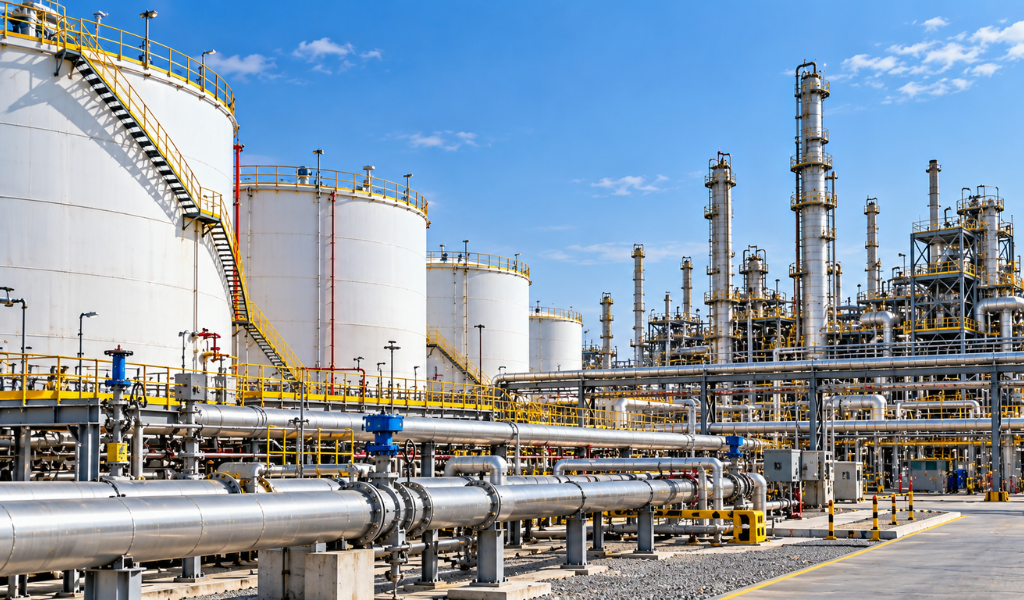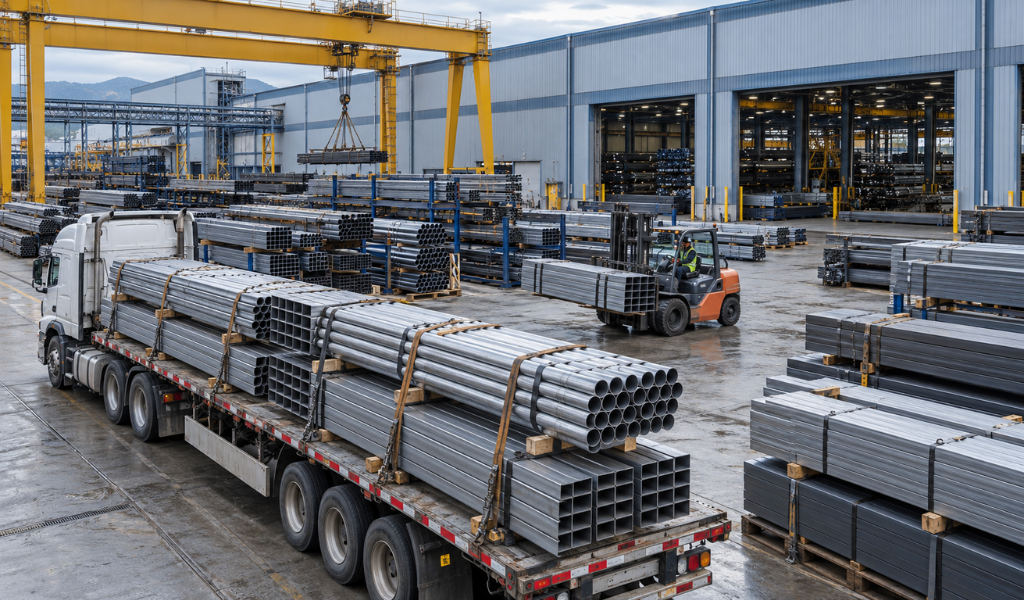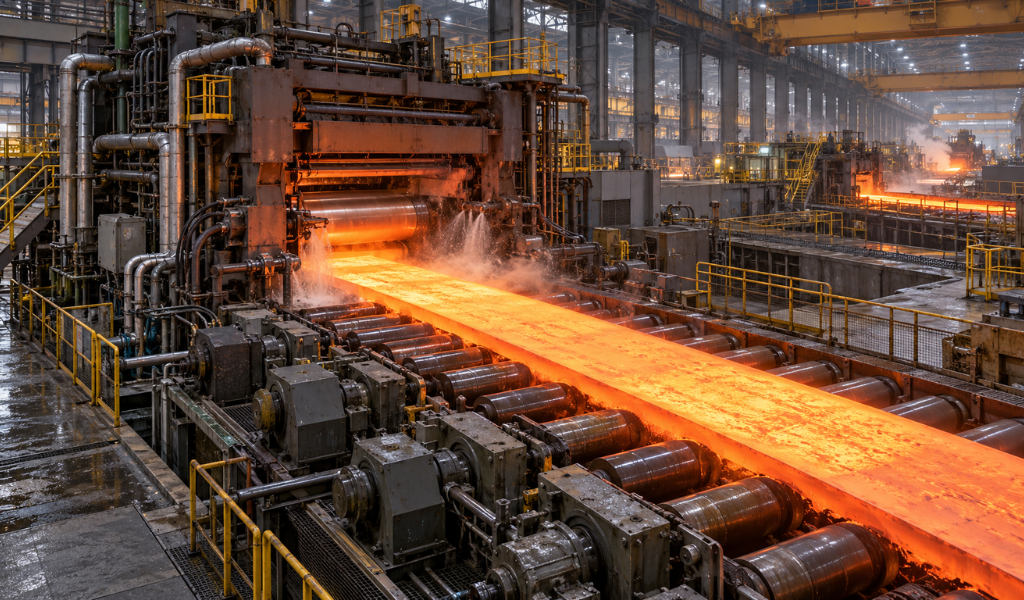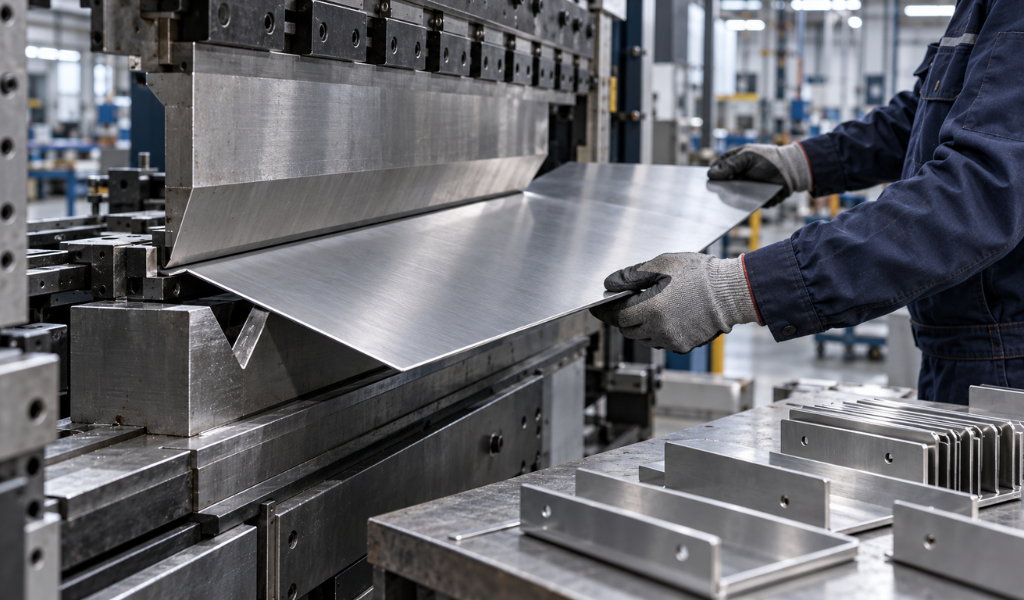
Choosing the right metal fabrication partner is essential when planning custom steel structures for construction sites, factories, warehouses and industrial facilities. The quality of fabrication influences structural performance, ease of installation, durability and long term maintenance requirements. A good supplier will understand your project specifications, and supply components that meet the required design and safety standards.
A relevant technical expertise, the right fabrication capabilities and a clear quality control process can be a turning point for businesses in Saudi Arabia. If you are looking for structural steel frames, industrial supports or bespoke components, keeping in mind a few key factors will help you make a better choice.
Quick Summary
-
Look at the company’s history of working on projects like yours.
-
Examine its production capacities, machinery and quality assurance processes.
-
Verify material specifications, welding requirements and standards.
-
Review project timelines, communication, and installation coordination.
-
Compare quotes on scope, quality and long-term value, not price alone.
Why Does the Right Metal Fabrication Company Matter?
Custom steel structures require accurate measurements, material selection and precise fabrication. Mistakes in cutting, drilling, welding or assembling can cause delays, extra costs and problems with installation.
A fabrication partner with experience can help identify technical issues early, liaise with design teams, and ensure fabricated parts match approved drawings.
Reliable fabrication also allows for safer installation, more consistent quality and more efficient use of materials for construction and industrial projects.
7 Factors to Consider When Choosing a Metal Fabrication Company
1. Assess Industry Experience and Technical Expertise
First, look at how much experience the company has with structural steelwork and projects like yours. A supplier who has experience in warehouses, industrial buildings, platforms or equipment may have a better understanding of the practical requirements of your application.
Enquire about previous projects, fabrication difficulty, various material types, and how the team deals with design changes. A relevant body of work can provide useful insight into their technical capabilities.
Consideration should be given to the understanding of local project demands, site conditions, and contractor coordination when contemplating a Saudi Arabian metal fabrication project.
2. Review Fabrication Capabilities
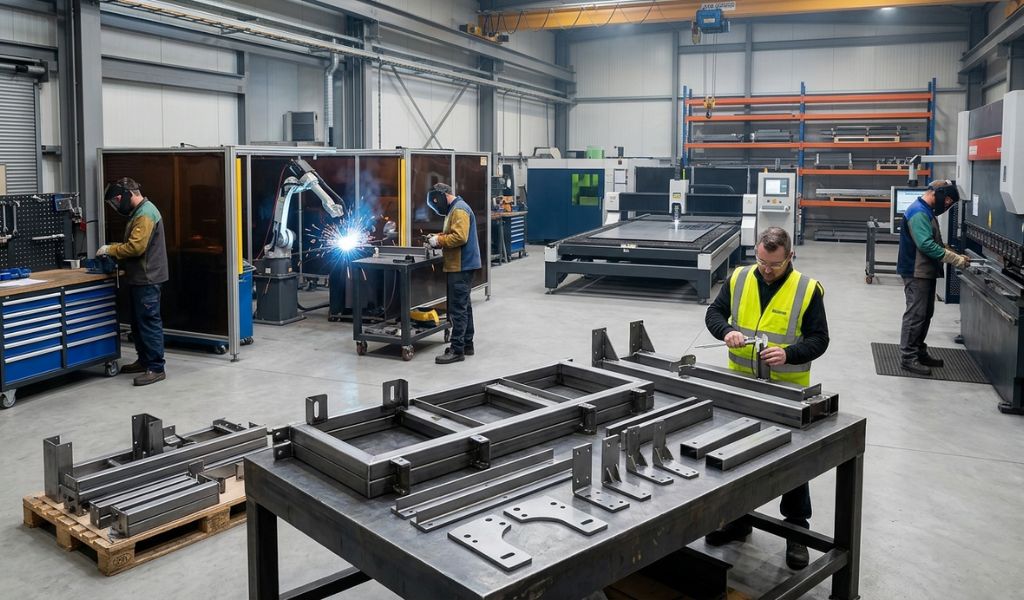
Not all fabricators provide the same services. Verify that the company has the capabilities to carry out the processes your project will need, such as cutting, drilling, welding, forming, assembly and finishing.
Depending on the scope, industrial metal fabrication services may also include the preparation of structural components, equipment supports, and custom steel assemblies.
Ask the supplier if they can provide you with your dimensions, volume of production and tolerances. Check on in-house work and subcontracted work.
3. Check Material Quality and Quality Control
The behaviour of steel structure is partly due to the selection of suitable materials and the established design.
Discuss with suppliers prior to appointment:
-
Material grades and thickness are indicated on drawings.
-
Materials are identified and traced as required.
-
Welding procedures and inspection requirements.
-
Dimensional Checks Tolerances of Fabrication
-
Surface preparation and protection coating requirements.
Enquire about documentation of inspections and correction of non-conforming components . The quality process should be based on project specifications and applicable requirements rather than general assurances.
4. Confirm Compliance with Safety Requirements
Fabrication, transport and installation must be taken into account in safety. Depending on the project, relevant requirements could be structural design, welding, lifting points, access platforms and corrosion protection.
Ensure the company is complying with the standards mentioned by the project engineer and the Saudi requirements. Request applicable quality records, inspection documentation and personnel qualifications as applicable.
Don’t assume a supplier has a certain certification. Double-check any accreditation they claim to ensure it is valid and relevant to the services you need.
5. Evaluate Customisation and Design Coordination
Custom metal fabrication is crucial when a project’s size, loading requirements or operational needs cannot be met with standard components.
Choose a supplier who can work from approved engineering drawings and liaise with designers, consultants and site teams. Make sure you set up how drawing amendments, technical questions and dimensional discrepancies are dealt with before production.
Good communication at this stage can reduce rework and help fabricated steel components to fit correctly during installation.
6. Compare Timelines and Project Management
Several interrelated construction activities may be affected by fabrication schedules. Delay in steelwork could affect installation, equipment placement or follow-on trades.
Request a realistic production schedule with milestones for approval of drawings, purchase of materials, fabrication, inspection and dispatch. Describe how you will communicate progress and manage unanticipated changes.
When describing delivery arrangements, packaging, responsibilities for transport and co-ordination with the installation team, also clarify the metal fabrication for construction projects.
7. Compare Quotations and Overall Value
The lowest bid may not represent the best value overall. Later costs can be incurred due to an incomplete scope, inappropriate materials or lack of inspection.
Compare quotes against the same technical specifications. Check what is included in the price, such as materials, fabrication, finishing, inspection, transport and installation if applicable.
A detailed quotation makes it easier to assess cost differences and identify potential exclusions before signing a contract.
Practical Comparison Table: How to Evaluate Fabrication Suppliers
|
Evaluation factor |
What to check |
Why it matters |
|
Relevant experience |
Similar structures and industrial applications |
Helps establish technical suitability |
|
Fabrication capacity |
Equipment, processes and production volume |
Supports project requirements and scheduling |
|
Material quality |
Grades, traceability and inspection records |
Promotes consistent material compliance |
|
Safety and standards |
Applicable requirements and verified documentation |
Helps manage technical and operational risks |
|
Customisation |
Drawing interpretation and design coordination |
Reduces dimensional errors and rework |
|
Project delivery |
Lead times, milestones and transport arrangements |
Supports construction planning |
|
Quotation clarity |
Detailed scope, exclusions and payment terms |
Improves cost transparency |
Use this table to shortlist potential suppliers, then verify their capabilities against your project's approved drawings and contractual requirements.
Also read: How to Choose a Reliable Metal Fabrication Service Provider in Jeddah?
What Questions Should You Ask Before Hiring a Steel Fabricator?
Before making a final decision, ask each shortlisted supplier a consistent set of questions:
-
Can you handle the dimensions, material grades and production volume required?
-
What inspection and quality control procedures will apply?
-
How will you manage drawing revisions and technical changes?
-
What is the estimated lead time, and what factors could affect it?
-
Which services are included in the quotation?
-
Can you provide relevant project examples and supporting documentation?
Clear answers help you understand what the supplier can deliver and where additional coordination may be necessary.
Choosing a Reliable Fabrication Partner in Saudi Arabia
Saudi Arabia’s construction and industrial sectors need steel solutions that are specific to the intended usage, operating conditions and project specifications. The right partner must have technical understanding, reliable production planning and transparent communication.
If you’re a business looking for steel fabrication solutions for construction and industrial applications, Afco Steel is a good place to start. Talk about your drawings, what material you need, what quality you expect and what delivery schedule you need, to see if the available services fit your project.
Conclusion
Selecting the right metal fabrication company is about more than comparing prices. Some technical experience, fabrication capacity, quality of materials, safety procedures, customisation capabilities and delivery planning should be assessed before you commit.
Systematic evaluation reduces avoidable risks, improves coordination and supports the long-term performance of custom steel structures. Shortlist suppliers against your project specifications, check their capabilities and request a detailed quotation before proceeding.
If you are working on a construction or industrial project in Saudi Arabia, explore suitable steel fabrication services and consult a potential supplier to find the right solution.
FAQs on Metal Fabrication
1. How do I choose a reliable metal fabrication company?
Review the company's relevant experience, fabrication capabilities, quality control procedures, safety documentation, delivery schedule and quotation. Verify its suitability against your project's technical specifications.
2. What services does a metal fabrication company provide?
Depending on its capabilities, a metal fabrication company may offer steel cutting, drilling, welding, forming, assembly, surface finishing and the production of customised structural components.
3. How much do steel fabrication services cost in Saudi Arabia?
Costs depend on material grade, steel weight, design complexity, fabrication processes, finishing requirements, order volume, inspection and transport. Request an itemised quotation based on approved drawings for a meaningful comparison.
4. What should I check before ordering custom steel structures?
Confirm the approved drawings, material specifications, structural requirements, fabrication tolerances, inspection procedures, corrosion protection, delivery schedule and installation responsibilities.