Reliable structural fabrication is the first step to every successful steel project. It doesn't matter if you develop a commercial building, industrial facility, or infrastructure project; the quality of your fabrication will affect strength, safety, and long-term performance. With decades of experience under their belt, an experienced fabricator will deliver in terms of precision, industry standards compliance, and project timelines. Companies such as Afco Steel take technical expertise and blend it with advanced manufacturing to provide reliable solutions if you require steel for any project size.
Quick Summary
-
Structural fabrication is the process of creating steel components for construction.
-
Fabricators with experience improve the quality, safety, and time frames of a project.
-
They waste less and are more efficient than many traditional fabrication techniques.
-
Fabrication plays a key role in various industrial sectors, as they need to have reliable structures.
-
Choosing the correct fabrication partner is vital for long-term project success.
What Is Structural Fabrication and Why Is It Important in Construction?
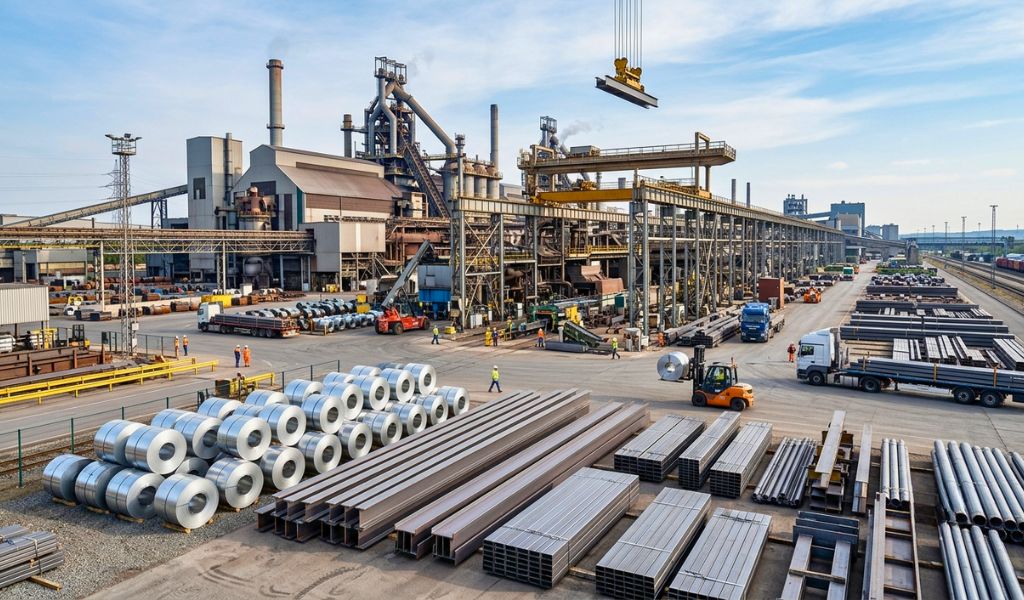
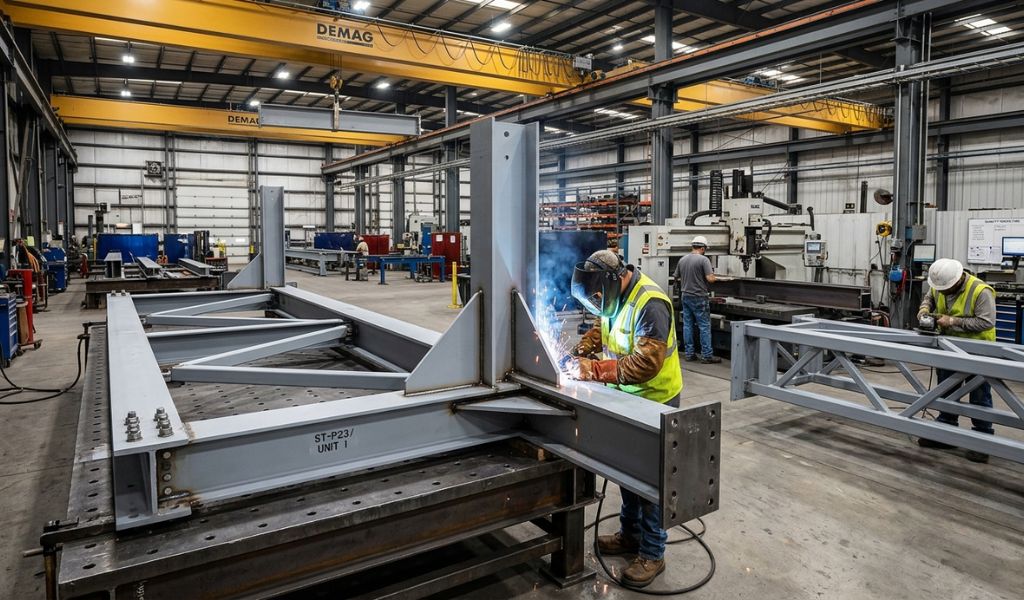
Steel fabrication involves the processes of cutting, folding, and welding steel to create structures. The structural steel fabrication takes raw steel and shapes it into sections that are ready to install with expert precision craftsmanship up to engineering specifications.
This is where accurate fabrication comes into play because it:
-
Improves structural integrity
-
Ensures precise installation
-
Reduces on-site delays
-
Supports compliance with safety standards
-
Minimises material waste
Choosing experienced providers of structural steel fabrication services helps contractors avoid costly errors while maintaining project quality.
How Does Structural Fabrication Improve the Quality of Steel Structures?
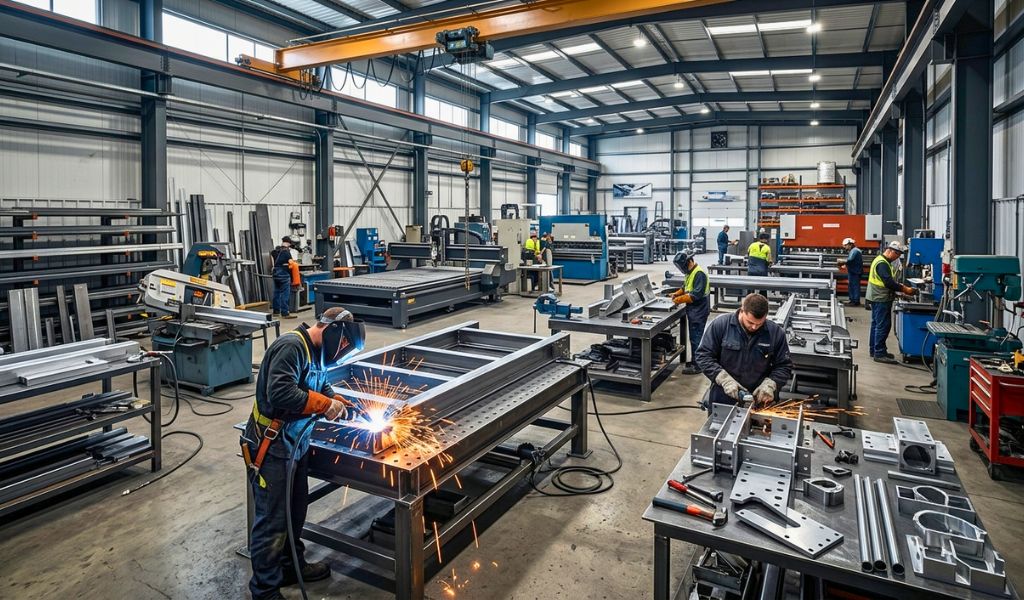
We understand that quality fabrication is far more than just manufacturing steel components. Each component fits together exactly, thanks to advanced equipment and the skill of professional welders, plus rigorous quality checks.
Benefits include:
-
Greater structural strength and durability
-
Better dimensional accuracy
-
Faster assembly on site
-
Lower maintenance requirements
-
Improved resistance to environmental conditions
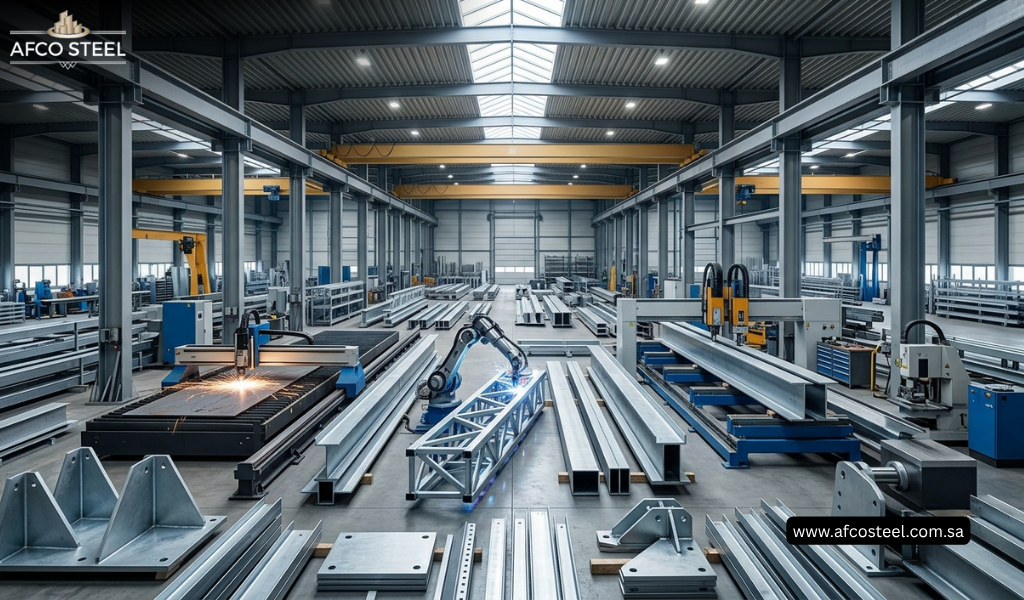
Well-known, reputable manufacturers such as Afco Steel apply strict quality control at all phases of structural steel fabrication to help ensure excellent results from manufacturing through installation.
Practical Information Table
|
Project Requirement |
Recommended Fabrication Partner |
|
Certified quality standards |
Choose an ISO-certified company |
|
Complex steel designs |
Experienced engineering team |
|
Large-scale industrial work |
Proven industrial structural fabrication capability |
|
Fast project delivery |
Modern fabrication equipment and efficient production |
|
Long-term durability |
Strong quality assurance and testing procedures |
What Industries Rely on Structural Fabrication Services?
Industrial structural fabrication is the foundation for safe, durable infrastructure in much of industry.
These include:
Commercial Construction
High-rise developments, offices, and shopping centres all need steel frameworks that are precision-fabricated.
Industrial Facilities
Custom-engineered steel buildings are designed for heavy-duty applications in factories, storage areas, and manufacturing plants.
Oil and Gas
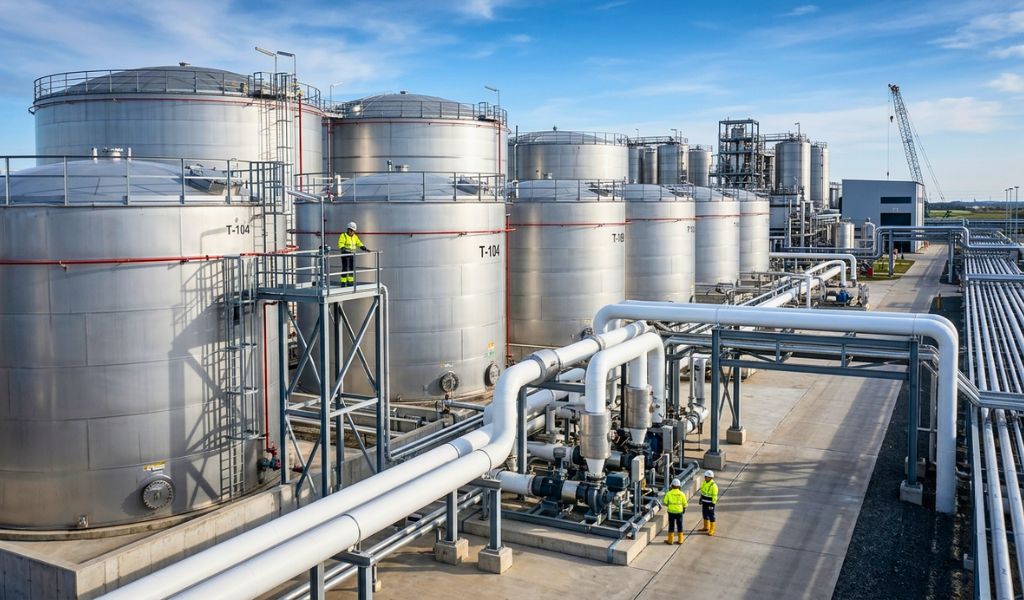
Fabricated steel intended for severe service applications is essential to the processing plants, storage facilities, and pipeline support systems.
Infrastructure Projects
Many structures such as bridges, transport terminals & public facilities all rely on long-lasting fabricated steel components.
Energy Sector
Utilized by power stations, renewable energy plants, and utility projects or structural steel fabrication services to support critical equipment and structures.
Also read:- Understanding Structural Fabrication: Key Processes and Techniques
How to Choose the Right Structural Fabrication Company?
These are the important considerations before going with a fabrication partner:
Experience and Expertise
Seek firms that have a well-rounded portfolio covering commercial and industrial projects.
Manufacturing Capabilities
From modern machinery to skilled technicians, everything is a matter of precision that must be executed logically and on time during production.
Quality Assurance
The company adheres to standard quality measures and checks.
Customisation
Every project has unique requirements. Your fabricator should be a provider of special solutions, not run-of-the-mill products.
Delivery Performance
Using reliable scheduling allows construction projects to stay on track and avoid costly delays.
While an expert fabrication provider like Afco Steel provides production and engineering support to work through the details of a project, they also provide a wide range of fabrication experience.
Conclusion
Choosing the correct structural fabrication service provider is a significant investment to ensure that many construction or industrial operations will yield positive results. The design and fabrication quality have a direct impact on safety, longevity, ease of installation, as well as long-term costs. Analyzing experience, production capabilities, standards of quality, and project support enables businesses to select a reliable provider for structural steel fabrication services that achieve long-term value.
FAQs on Structural Fabrication
1. What is structural fabrication?
Structural fabrication is the process of manufacturing steel components used to build strong frameworks for commercial, industrial, and infrastructure projects.
2. What does the structural steel fabrication process involve?
The process includes cutting, drilling, welding, assembling, finishing, and inspecting steel components before delivery to the construction site.
3. Why are structural steel fabrication services important?
They improve construction accuracy, reduce installation time, enhance safety, and ensure durable steel structures.
4. Which industries use industrial structural fabrication?
Construction, manufacturing, oil and gas, energy, logistics, mining, and infrastructure sectors all rely on industrial structural fabrication.