Selecting the right steel company is an important decision for any construction or industrial project in Saudi Arabia. Whether you’re looking for structural steel for a commercial building, fabricated components for an industrial facility, or storage solutions for large-scale operations, the quality of your steel partner can have a direct impact on the safety, durability, and overall performance of your project.
There are many steel companies in Saudi Arabia that offer a wide range of products and services, so buyers should not only think about price when making a decision. Consider carefully the manufacturing capabilities, engineering expertise, material quality, safety practices, and delivery commitments.
So, what should you check before hiring a steel manufacturer? Here are the key factors to help you make a confident and informed choice.
Quick Summary
-
Check the company's experience in steel manufacturing and industrial projects.
-
Evaluate material quality, fabrication standards, and engineering capabilities.
-
Review its safety procedures and quality control processes.
-
Compare production capacity, delivery schedules, and technical support.
-
Choose a supplier that offers reliable, project-specific steel solutions.
What Factors Should I Consider Before Hiring a Steel Manufacturer?
Before selecting a steel manufacturing company, assess its technical capabilities, production processes, and ability to meet your project requirements. The following factors can help you identify a dependable supplier.
1. Industry Experience and Project Expertise
Experience matters when selecting a steel manufacturer. A company familiar with Saudi Arabia's construction and industrial sectors is more likely to understand project requirements, technical specifications, and site-related challenges.
Look for experience in areas such as:
-
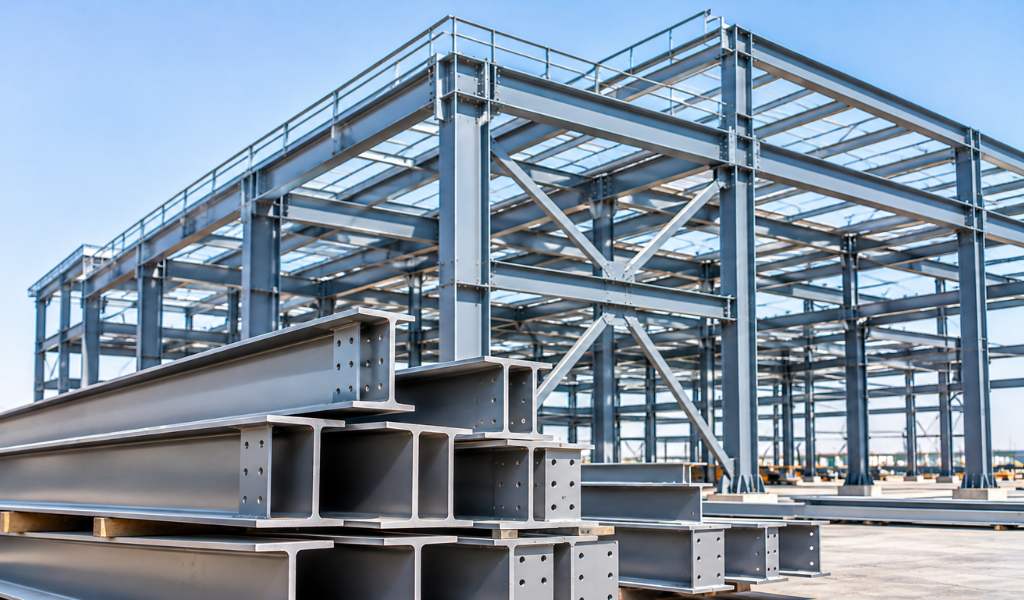
Structural steel buildings and industrial structures.
-
Steel storage tanks and silos.
-
Industrial platforms and supporting frameworks.
-
Steel fabrication for construction and infrastructure.
-
Heavy-duty industrial equipment and solutions.
Ask for relevant project examples and determine whether the company has handled projects similar in size and complexity to yours.
2. Material Quality and Manufacturing Standards
The quality of raw materials directly affects the strength, durability, and performance of finished steel products.
A reliable steel company should be able to explain its material sourcing, inspection procedures, and manufacturing quality controls.
Before hiring, check whether the manufacturer:
-
Uses materials that meet the project's specified grades.
-
Conducts appropriate material inspections.
-
Maintains consistent fabrication quality.
-
Follows relevant engineering specifications.
-
Provides material test certificates where required.
These checks help reduce the risk of premature deterioration, structural weaknesses, and costly rework.
3. Engineering and Design Capabilities
Good steel manufacturing begins with accurate engineering and planning. Poorly coordinated designs can lead to installation difficulties, material wastage and project delays.
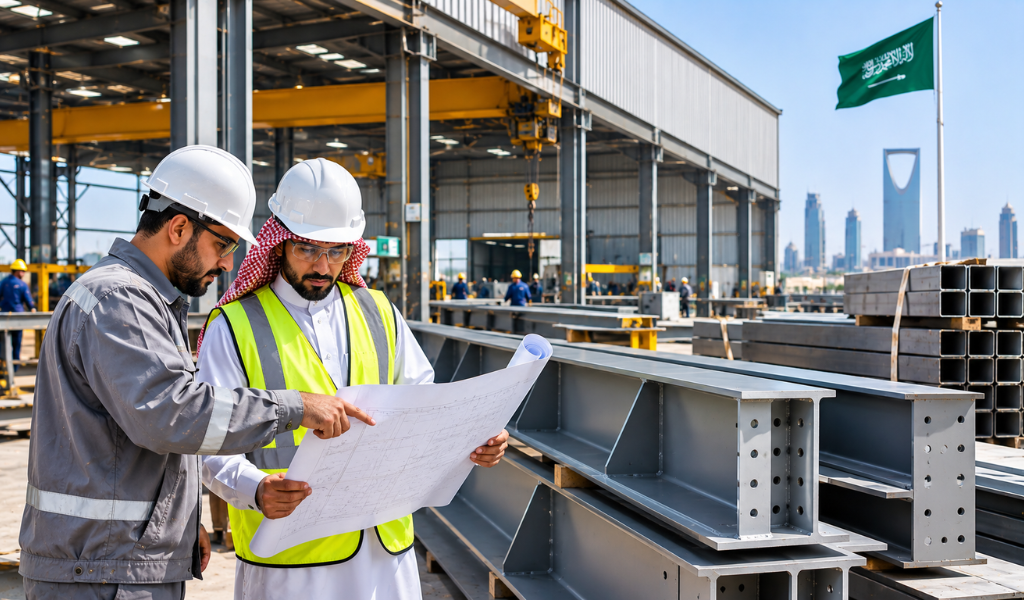
Look for a manufacturer that understands structural calculations, technical drawings, load requirements, and fabrication planning.
Strong engineering capabilities are particularly important for industrial steel solutions, where equipment loads, operational conditions and structural stability must be considered together.
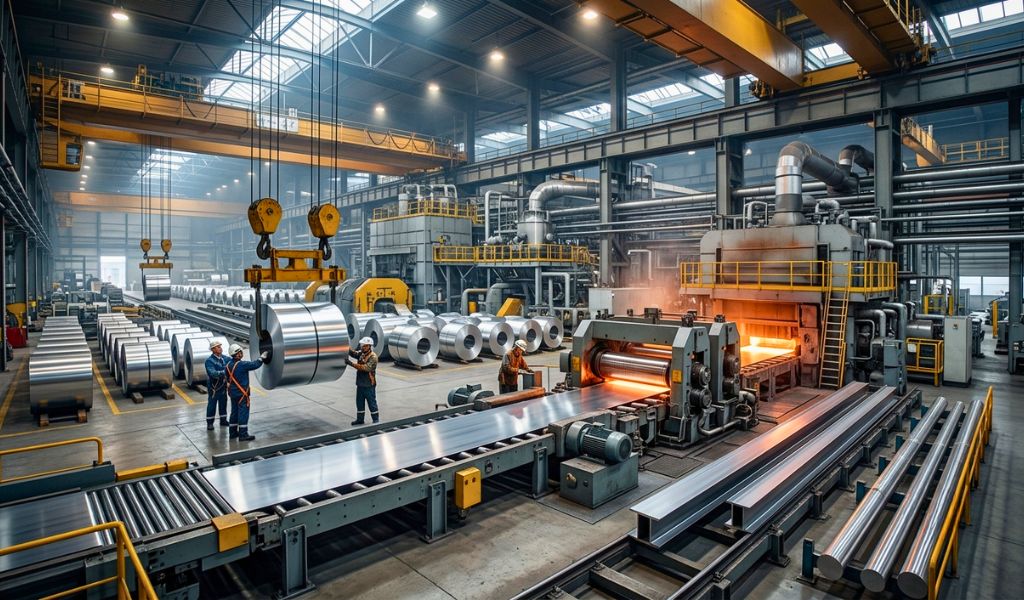
4. Steel Fabrication Services and Production Capacity
Not every manufacturer has the same production capabilities. Some specialise in basic steel components, while others handle complex fabrication and large industrial structures.
Check whether the company offers the steel fabrication services required for your project, including:
-
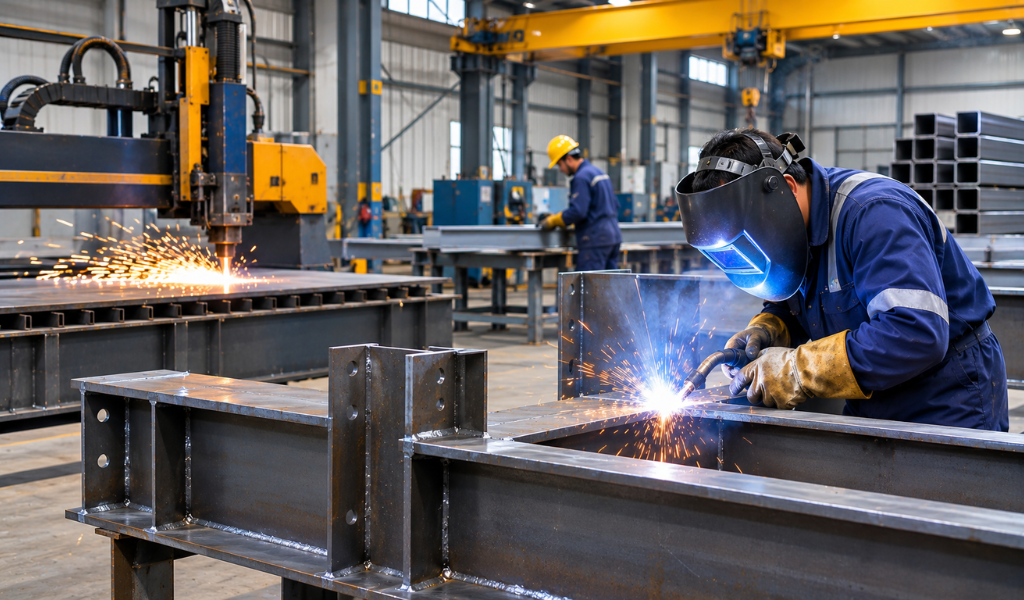
Cutting, drilling, and welding.
-
Plate and section fabrication.
-
Structural steel assembly.
-
Surface preparation and protective coating.
-
Custom steel component manufacturing.
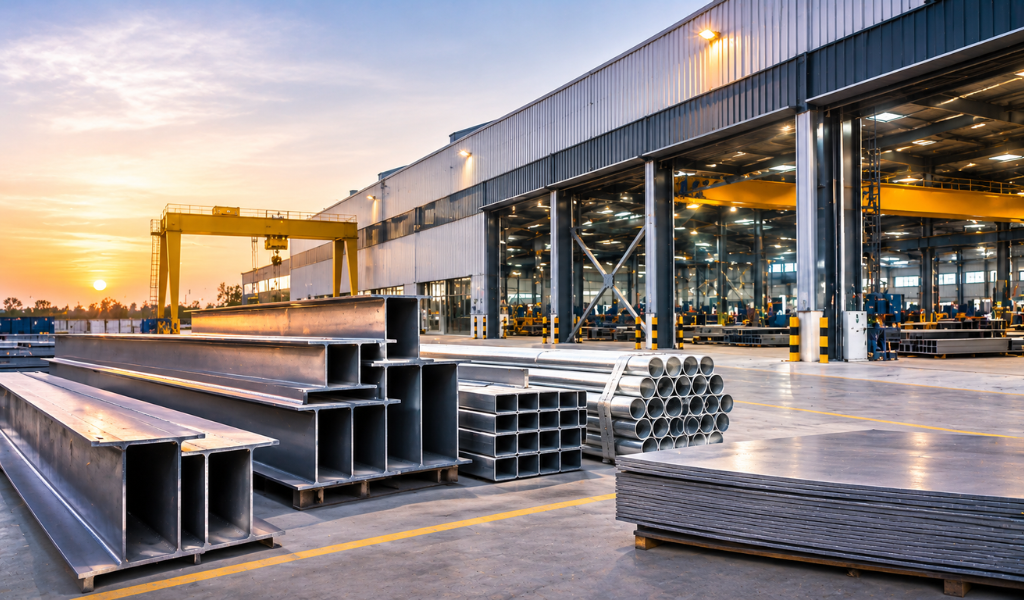
Also ask about available machinery, workshop capacity, and production scheduling. This helps establish whether the supplier can handle your order without compromising quality or delivery commitments.
5. Safety and Quality Control Procedures
Safety should never be overlooked when selecting a steel manufacturer. Fabrication involves machinery, welding, material handling, and other activities that require appropriate precautions.
Ask about workplace safety procedures, equipment inspections, welding quality checks, and fabrication supervision.
A dependable manufacturer should also have documented quality control procedures covering different production stages, from raw material inspection to final product verification.
6. Delivery Timelines and Project Coordination
Even high-quality steel products can create problems if they arrive late. Delayed materials may affect construction schedules, installation activities, and project costs.
Before signing an agreement, discuss:
-
Estimated manufacturing and delivery timelines.
-
Order tracking and production updates.
-
Transportation and loading arrangements.
-
Packaging and material protection.
-
Coordination with site installation teams.
Choose a supplier that communicates clearly and provides realistic delivery commitments.
7. Technical Support and Customer Service
A good steel supplier should offer more than manufactured products. Clear communication and technical assistance can make project coordination considerably easier.
Check whether the company can support drawing reviews, material selection, fabrication queries, and technical clarifications.
Working with an accessible team also helps resolve unexpected issues quickly and keeps project activities moving.
Also read: How to Find a Reliable Steel Company Near Me in Saudi Arabia?
Practical Checklist for Comparing Steel Companies in Saudi Arabia
Use the following table to compare potential suppliers before making your final decision.
|
Selection Factor |
What Buyers Should Check |
Why It Matters |
|
Experience |
Previous construction and industrial projects |
Demonstrates relevant expertise |
|
Material quality |
Material grades and inspection records |
Supports durability and reliability |
|
Engineering |
Design capabilities and technical drawings |
Improves structural accuracy |
|
Fabrication |
Machinery, welding and production capacity |
Ensures manufacturing suitability |
|
Safety |
Workplace procedures and quality checks |
Reduces operational risks |
|
Delivery |
Production schedules and logistics |
Helps prevent project delays |
|
Technical support |
Communication and after-sales assistance |
Simplifies project coordination |
Comparing suppliers against these factors makes it easier to identify a manufacturer that offers long-term value rather than simply the lowest quotation.
Conclusion
Hiring the right steel company requires more than comparing quotations. Buyers should carefully assess industry experience, material quality, engineering capabilities, fabrication facilities, safety procedures and delivery commitments before making a decision.
The right manufacturing partner can assist with project coordination, structural reliability and can help reduce avoidable delays. Evaluating these factors enables businesses to make more informed purchasing decisions and to select steel solutions that best meet their operational needs.
If you are looking to build a construction or industrial project in Saudi Arabia, then check out the steel solutions offered by Afco Steel and talk to their team about your project needs to find an approach that is suitable for your project.
FAQs about Steel Company
1. How do I choose the best steel company in Saudi Arabia?
Compare industry experience, material quality, engineering capabilities, fabrication facilities, safety procedures, and delivery performance. Also review previous projects and request relevant technical documentation before making a decision.
2. What services should a steel manufacturing company provide?
Depending on project requirements, a steel manufacturing company may provide structural steel fabrication, cutting, welding, steel assembly, surface treatment, custom component manufacturing, and engineering support.
3. Why is material quality important in steel construction?
Material quality influences structural strength, durability, and resistance to operational stresses. Using steel that meets specified engineering requirements helps ensure reliable performance throughout the intended service life.
4. What should I check before hiring a steel fabrication company?
Check its machinery, production capacity, welding procedures, quality control systems, workforce expertise, and experience with similar projects. Confirm that it can meet your technical specifications and delivery schedule.