Selecting the right metal fabrication company is a major decision for construction, manufacturing, and industrial projects in Saudi Arabia. Quality fabrication directly impacts the durability, safety, and performance of a project, whether it is structural steel components, industrial equipment, or custom metal assemblies.
However, not every fabricator has the same level of technical expertise, production capacity, or quality control. Businesses need to consider several factors when choosing a fabrication partner. Understanding the company’s experience, steel fabrication processes, quality of material and compliance requirements will help you to make an informed decision.
Whether you’re planning a commercial development, an industrial facility, or a large-scale infrastructure project, selecting a capable fabrication partner can help minimise delays and achieve reliable results.
Quick Summary
-
Check the fabricator's experience with projects similar to yours.
-
Evaluate production facilities, machinery and fabrication capabilities.
-
Confirm material quality and quality control procedures.
-
Review relevant certifications and safety practices.
-
Compare technical support, delivery schedules, and after-sales services.
Evaluate Industry Experience and Project Expertise
The first step is to assess a company's experience in handling projects similar to yours. Industrial metal fabrication requires specialised knowledge, particularly when working with structural steel, heavy equipment, and customised components.
Look for a company that understands the requirements of Saudi Arabia's construction and industrial sectors.
Consider whether the fabricator has experience in:
-
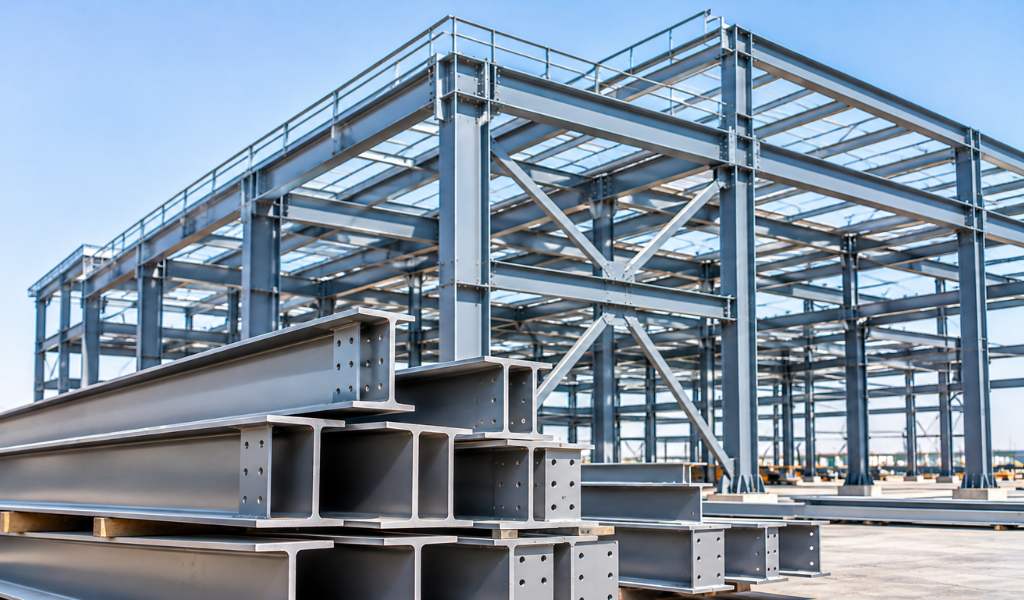
Structural steel fabrication for commercial and industrial buildings.
-
Heavy-duty metal components for industrial facilities.
-
Custom metal fabrication for specialised applications.
-
Steel assemblies for infrastructure and construction projects.
-
Fabricated components for oil, gas and petrochemical facilities.
Ask for examples of completed projects, technical capabilities and references where available.
Assess Manufacturing Facilities and Equipment
A fabrication company's production capabilities can influence accuracy, consistency and delivery timelines.
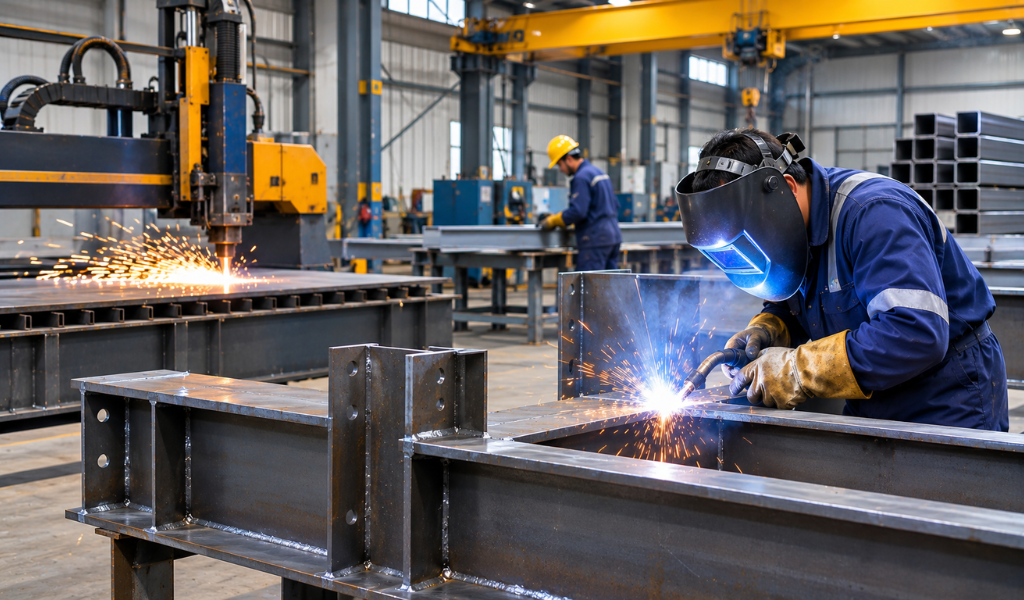
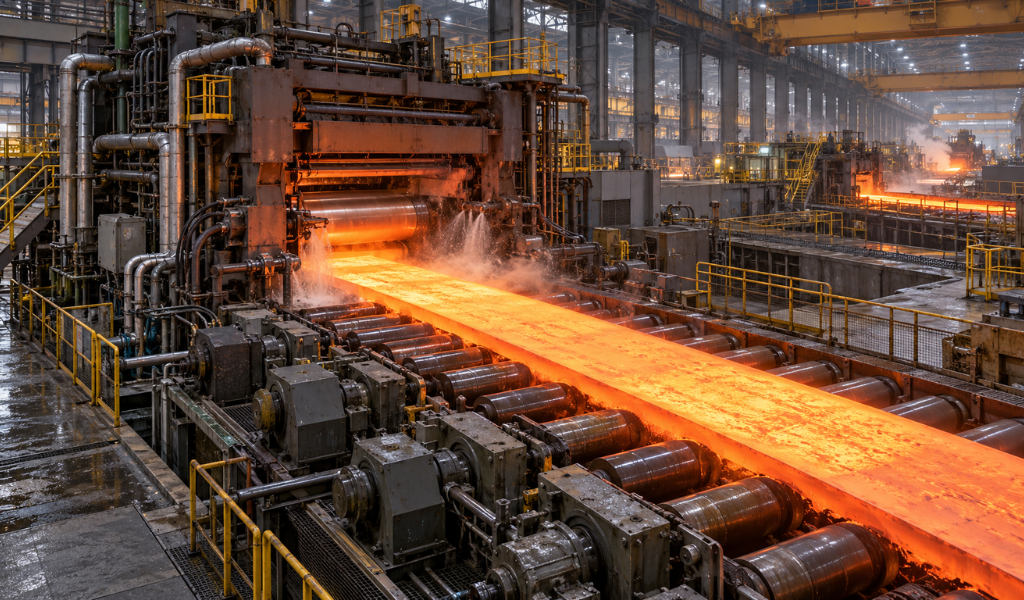
Modern fabrication facilities may use CNC cutting machines, welding equipment, bending machines and advanced material-handling systems to manufacture components according to project specifications.
Before selecting a provider, check whether it has:
-
Suitable cutting and shaping equipment.
-
Qualified welding personnel.
-
Adequate production capacity.
-
Material storage and handling facilities.
-
Inspection and quality control arrangements.
These capabilities are particularly important for metal fabrication for construction projects, where dimensional accuracy and dependable component quality are essential.
Understand the Steel Fabrication Processes
Reliable fabrication depends on a well-managed production workflow. Understanding the steel fabrication processes used by a company helps you evaluate its ability to meet technical requirements.
Typical fabrication stages include:
-
Design and engineering: Technical drawings and project specifications are reviewed before production.
-
Cutting: Steel plates, sections, and other materials are cut to the required dimensions using suitable equipment.
-
Forming and bending: Materials are shaped to achieve the required design and structural configuration.
-
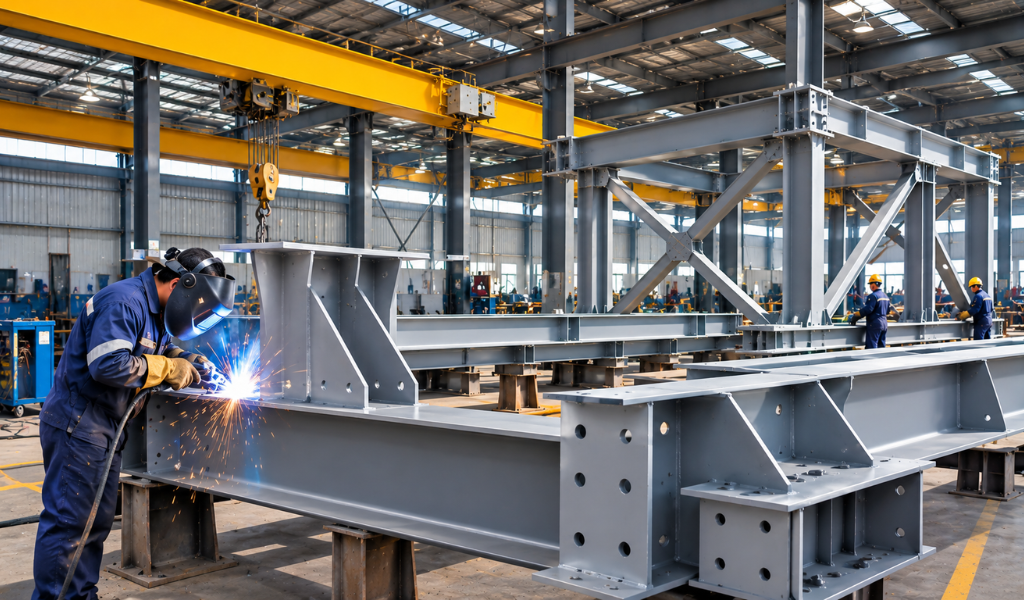
Welding and assembly: Individual components are joined and assembled according to approved drawings and welding requirements.
-
Surface treatment: Appropriate preparation and protective coatings are applied to improve resistance to corrosion and environmental exposure.
-
Inspection: Finished components are checked for dimensional accuracy, weld quality, and compliance with project requirements.
A transparent production process helps maintain consistency and reduces the risk of costly fabrication errors.
What certifications should I check before hiring a metal fabricator?
Certifications and documented quality procedures provide useful evidence of a company's management systems, technical processes, and commitment to safety.
However, the relevant requirements depend on the project type, materials, fabrication scope, and applicable regulations.
Consider checking the following:
-
ISO 9001: Quality management system certification, where applicable.
-
ISO 45001: Occupational health and safety management system certification.
-
ISO 14001: Environmental management system certification.
-
Welding qualifications: Relevant welder qualification records and welding procedure qualifications.
-
Material traceability: Mill test certificates and supporting material documentation.
-
Project-specific approvals: Any additional client, consultant or regulatory approvals required for the work.
Always verify the validity, scope, and issuing organisation of certificates rather than relying on general claims.
For specialised structural or industrial projects, also ask about inspection reports, non-destructive testing requirements and compliance with applicable engineering specifications.
Check Customisation and Technical Support
Every industrial project has different requirements. Standard fabrication solutions may not always meet specific structural, dimensional, or operational needs.
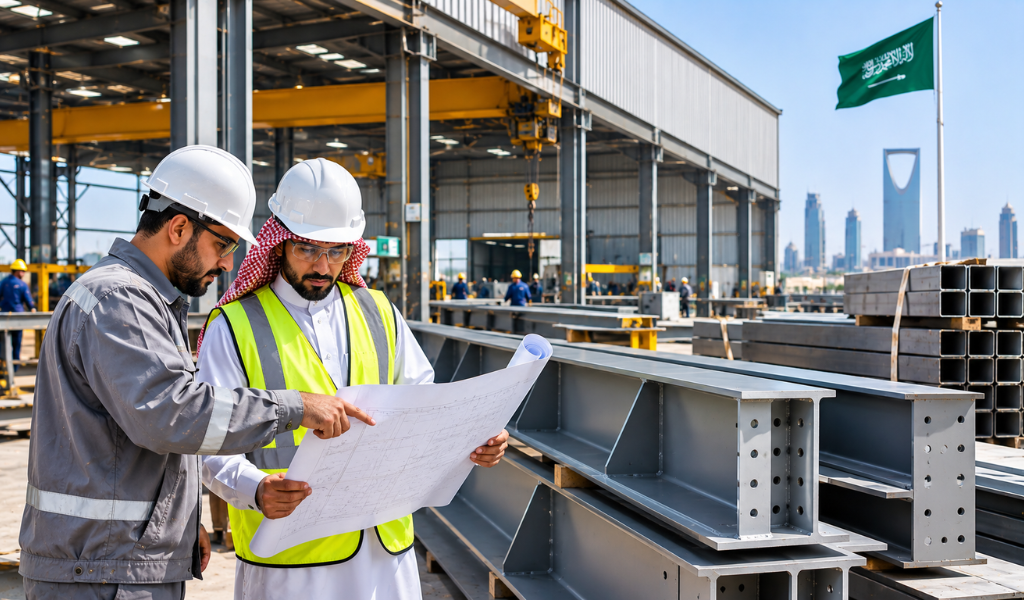
A reliable provider should be able to understand technical drawings, discuss design requirements, and manufacture components according to approved project specifications.
Look for custom metal fabrication capabilities that support:
-
Project-specific dimensions and configurations.
-
Different steel grades and material requirements.
-
Complex structural assemblies.
-
Specialised industrial components.
-
Appropriate surface finishing and corrosion protection.
Technical coordination between the fabricator, engineers, contractors, and project managers also helps prevent misunderstandings during production.
Compare Pricing, Quality and Delivery Commitments
Price should not be the only factor when choosing a fabrication partner. A lower quotation may exclude important services, inspections, finishing requirements, or transportation costs.
Instead, compare quotations based on the complete project scope.
|
Evaluation Factor |
What to Check |
Why It Matters |
|
Technical expertise |
Previous project experience and engineering support |
Ensures suitable technical capabilities |
|
Material quality |
Steel grades and material certificates |
Supports durability and performance |
|
Machinery |
CNC equipment and production facilities |
Helps achieve fabrication accuracy |
|
Quality assurance |
Inspection procedures and testing records |
Reduces fabrication defects |
|
Safety standards |
Workplace safety procedures and training |
Supports safer operations |
|
Delivery |
Production capacity and delivery schedule |
Helps minimise project delays |
|
Pricing |
Detailed quotation and scope of work |
Avoids unexpected costs |
A detailed comparison makes it easier to identify a company that offers the right balance of quality, reliability and value.
Also read: How to Choose a Reliable Metal Fabrication Service Provider in Jeddah?
Consider Local Industry Requirements in Saudi Arabia
Saudi Arabia's climate and industrial environment create specific considerations for fabricated steel components.
High temperatures, dust, and exposure to moisture or corrosive conditions can influence material selection, coating systems, and maintenance requirements.
When evaluating metal fabrication services in Saudi Arabia, consider whether the provider understands:
-
Corrosion protection for the intended operating environment.
-
Suitable materials for project-specific conditions.
-
Applicable Saudi regulations and client specifications.
-
Fabrication requirements for industrial and infrastructure developments.
-
Coordination with local contractors and project stakeholders.
A fabricator familiar with local project conditions can help identify practical solutions during the planning and production stages.
Conclusion
Choosing the right metal fabrication company involves more than just comparing quotations. Before deciding, companies need to consider technical expertise, manufacturing facilities, material quality, certifications, safety procedures, and delivery capabilities.
Collaboration with a seasoned fabrication partner can help ensure structural dependability, operational effectiveness, and enduring durability for construction and industrial projects in Saudi Arabia.
Afco Steel provides steel fabrication solutions to project requirements throughout the Saudi market. Businesses that are planning their next project can browse through its capabilities and discuss their fabrication needs to find a suitable solution.
FAQs on Metal Fabrication
1. How do I choose the best metal fabrication company in Saudi Arabia?
Evaluate the company's industry experience, production facilities, technical expertise, quality control procedures, relevant certifications, and ability to meet project deadlines.
2. What services does an industrial metal fabrication company provide?
Services can include steel cutting, welding, bending, forming, structural steel assembly, surface treatment, and manufacturing customised metal components for industrial applications.
3. Why is quality control important in metal fabrication?
Quality control helps identify dimensional inaccuracies, welding defects, and material issues before fabricated components are delivered or installed. It supports safety, durability, and compliance with project specifications.
4. What certifications should a metal fabrication company have?
Depending on the project, relevant credentials may include ISO 9001, ISO 45001 and ISO 14001 certifications, along with appropriate welding qualifications, material traceability documents and project-specific approvals.