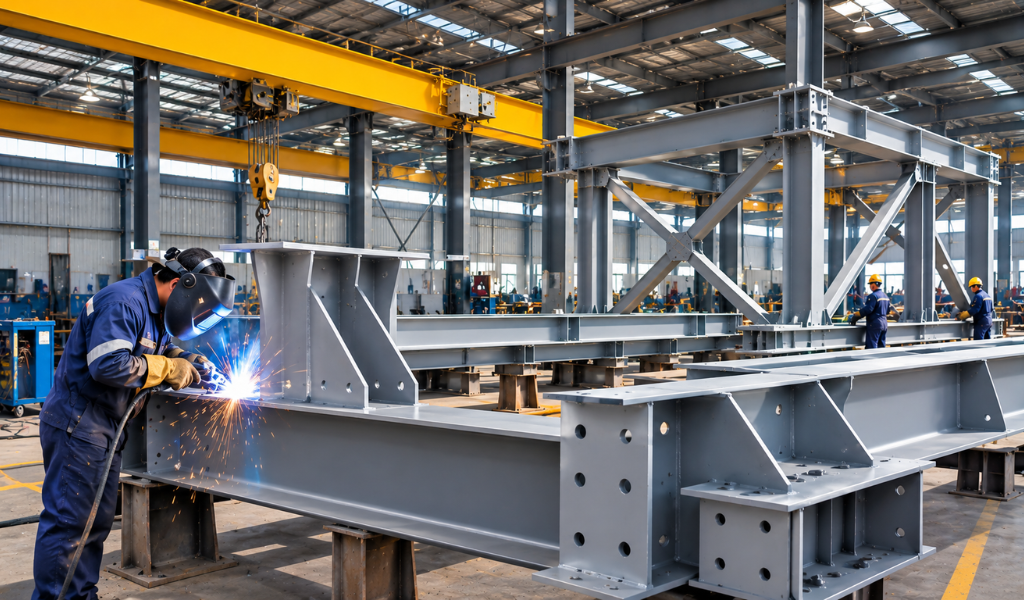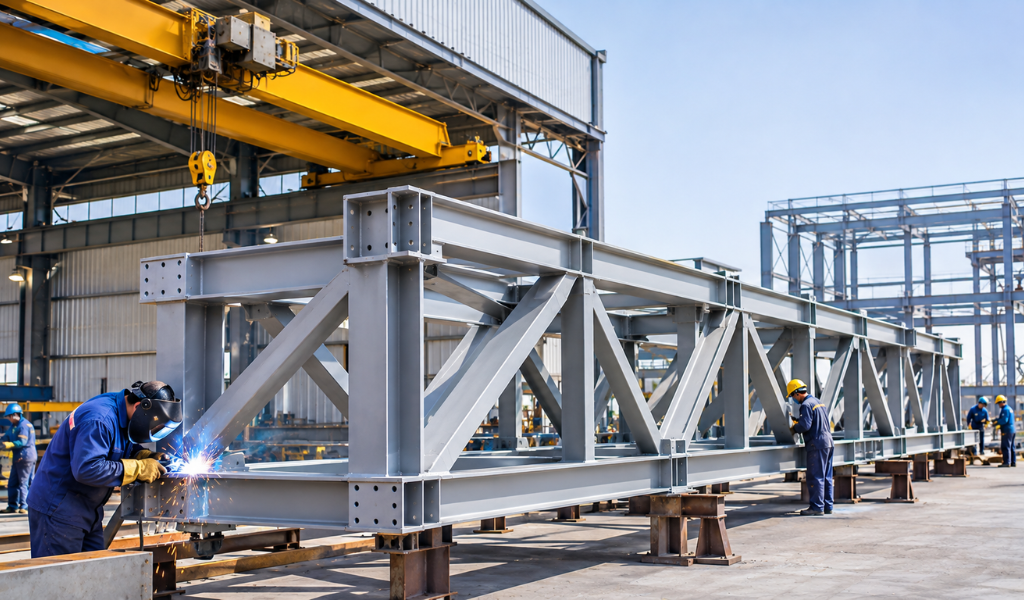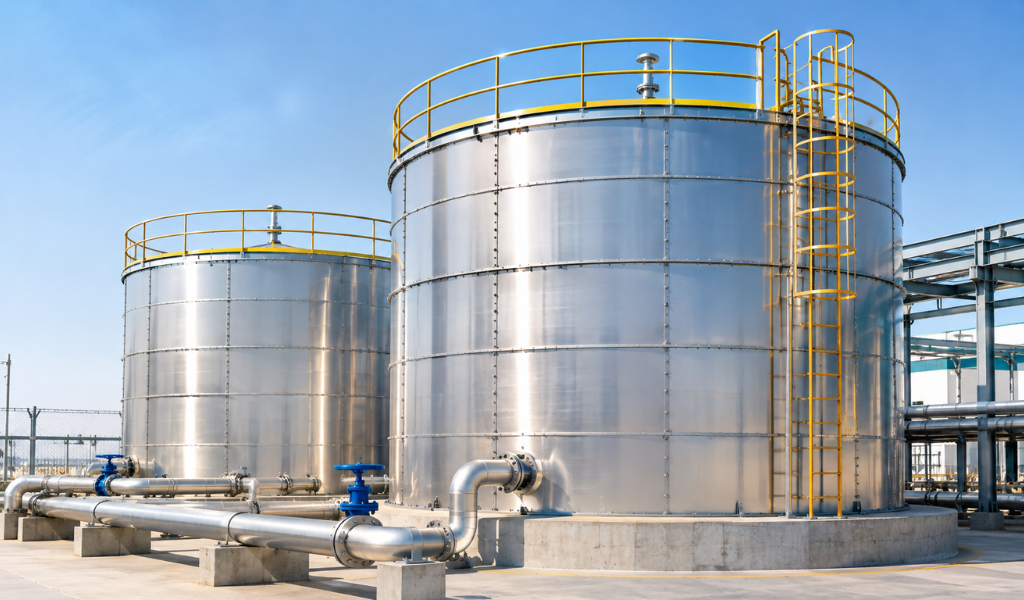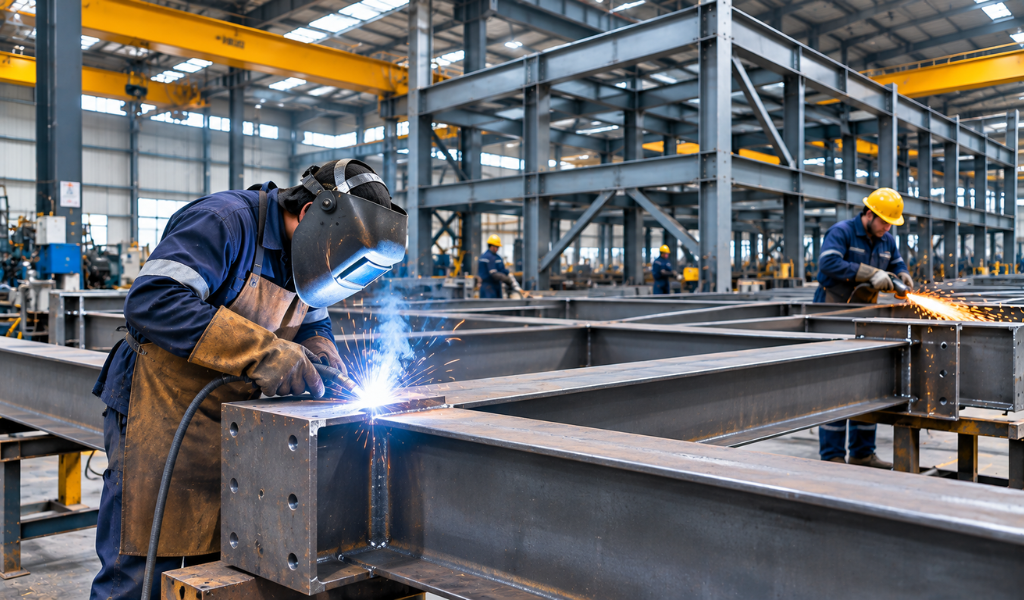
Steel fabrication is an important industry in Saudi Arabia, serving the construction, manufacturing, oil and gas, and industrial sectors. Every fabricated part, from structural steel parts to large industrial equipment, must adhere to specific measurements, strength requirements, and quality expectations. “Projects are becoming more demanding, and traditional fabrication alone may not always meet the level of accuracy and production efficiency required.
This is where Computer Numerical Control (CNC) technology makes a difference. CNC machines are used for cutting, drilling, shaping, and other fabrication operations using computer-controlled instructions to ensure consistent precision. Through the use of CNC technology, which is able to reduce manual errors and enhance production control, steel fabrication companies are able to deliver dependable results for different industrial applications.
Quick Summary
-
CNC technology improves accuracy in steel cutting, drilling, and shaping.
-
Automated operations reduce manual errors and material wastage.
-
Consistent production supports better structural steel fabrication quality.
-
CNC equipment helps improve production speed and workflow efficiency.
-
Advanced fabrication processes support demanding industrial projects across Saudi Arabia.
What Is CNC Technology in Steel Fabrication?
CNC stands for Computer Numerical Control. It is a manufacturing technology that uses programmed instructions to control machinery and tools during production.
In steel fabrication, CNC equipment can perform several operations, including:
-
CNC cutting: Produces accurately cut steel plates, sheets, and profiles.
-
CNC drilling: Creates holes at specified positions and dimensions.
-
CNC punching: Forms holes and patterns in steel components.
-
CNC bending: Shapes metal components according to design requirements.
-
CNC machining: Removes material to achieve the required dimensions and surface finish.
These automated processes help fabricators maintain consistency across individual components and larger production batches.
How CNC Technology Improves Steel Fabrication Work Quality?
CNC technology improves fabrication quality by combining digital design, automated machinery, and controlled production processes. Here are the main benefits.
1. Greater Cutting and Measurement Accuracy
Accurate measurements are essential for producing steel components that fit together correctly. CNC machines follow programmed dimensions, helping reduce inconsistencies during cutting and drilling.
This is particularly useful for structural steel fabrication, where beams, plates, and connection components must align with engineering drawings.
2. Reduced Human Error
Manual fabrication depends heavily on operator measurements and adjustments. Small mistakes can affect the final component.
CNC automation reduces repetitive manual operations and helps maintain consistent results. Skilled operators still play an important role in programming, machine setup, and quality inspection.
3. Improved Production Efficiency
Automated machinery can perform repetitive fabrication tasks with less manual intervention. This helps streamline production workflows and reduce delays associated with repeated measurements and adjustments.
For projects with multiple steel components, improved production efficiency can support better scheduling and delivery coordination.
4. Better Material Utilisation
Material wastage can increase fabrication costs. CNC cutting systems can follow optimised cutting layouts to use available steel more effectively.
Better material planning helps reduce unnecessary offcuts and supports more efficient resource management.
5. Consistent Quality Across Components
Industrial projects often require multiple components with identical specifications. CNC machines can repeat programmed operations, helping maintain consistency across production batches.
This is valuable for steel structures, industrial equipment, and fabricated assemblies that require accurate dimensions.
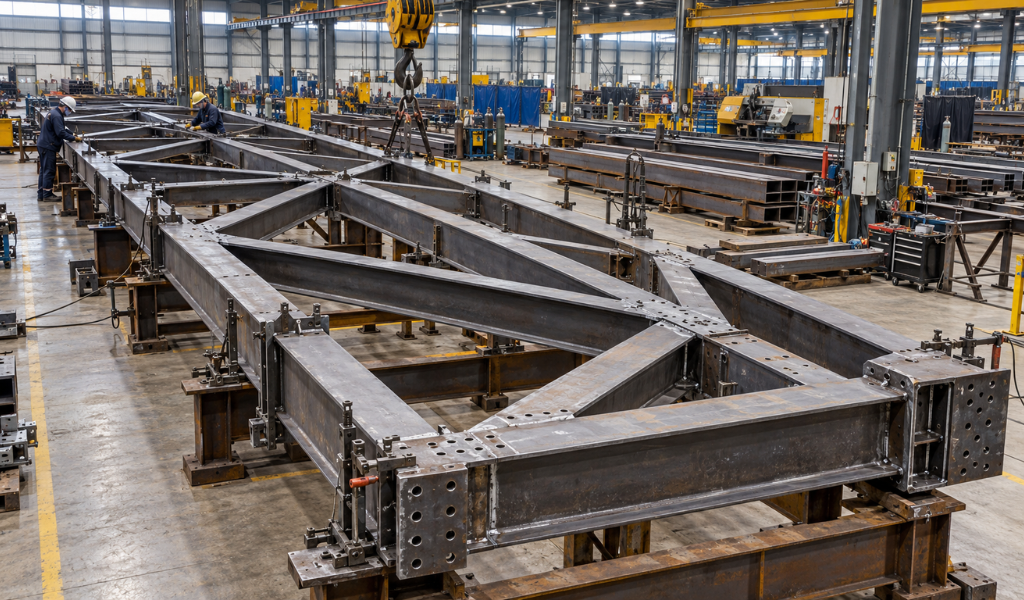
Applications of CNC Technology in Industrial Steel Fabrication Services
CNC technology supports several applications across the construction and industrial sectors.
Structural Steel Components
CNC cutting, drilling, and machining help produce beams, columns, plates, and connection components according to project specifications.
Industrial Equipment and Machinery
Industrial steel fabrication services often involve producing machine frames, support structures, brackets and customised steel components.
Storage Tanks and Industrial Structures
Accurate fabrication processes help prepare steel plates and structural components used in industrial storage and processing facilities.
Custom Steel Fabrication
CNC machinery supports customised designs where specific dimensions, shapes, and hole patterns are required.
CNC vs Traditional Steel Fabrication: What Is the Difference?
Both CNC and conventional fabrication methods have their place in manufacturing. The right approach depends on the project requirements, component complexity, and production volume.
|
Comparison Factor |
CNC Fabrication |
Traditional Fabrication |
|
Accuracy |
High programmed precision |
Depends more on manual measurements |
|
Repeatability |
Consistent across batches |
May vary between operations |
|
Production speed |
Efficient for repetitive tasks |
Can require more manual work |
|
Material usage |
Supports optimised cutting |
Depends on cutting and planning methods |
|
Complex designs |
Suitable for detailed programmed operations |
May require additional manual adjustments |
|
Quality control |
Supports standardised production |
Relies heavily on manual inspection |
Recommendation: CNC fabrication is particularly useful for projects requiring repeatable dimensions, detailed cutting patterns, and consistent production. Traditional methods can remain suitable for repairs, adjustments, and specialised one-off tasks.
Also read: How Steel Fabrication Work Supports Oil, Gas and Petrochemical Projects?
What Should You Look for in Steel Fabrication Companies in Saudi Arabia?
Choosing the right fabrication partner is just as important as selecting the right technology. Businesses should consider the following factors when evaluating steel fabrication services in Saudi Arabia.
-
Technical capabilities: Check whether the company can handle the required cutting, drilling, bending, and fabrication processes.
-
Engineering expertise: Look for an understanding of technical drawings, material specifications, and project requirements.
-
Quality inspection: Ask about dimensional checks, welding inspections, and production quality-control procedures.
-
Safety practices: Ensure fabrication activities follow appropriate workplace safety procedures.
-
Project experience: Consider experience with similar construction and industrial applications.
-
Production capacity: Confirm that the company can meet your required quantities and delivery schedule.
Technology delivers the best results when supported by experienced personnel, proper material selection, and systematic quality checks.
Conclusion
CNC technology has made a big difference to modern steel fabrication work, supporting greater accuracy and repeatability, production efficiency, and material utilisation. Automated processes assist manufacturers in meeting tough project specifications, from structural steel fabrication to specialist industrial components.
However, successful fabrication needs more than advanced machinery. Engineering know-how, skilled operators, quality inspections, and safe working practices are still essential.
If you are planning a construction or industrial project, find professional steel fabrication services in Saudi Arabia and share your requirements with an experienced fabrication team to get the best solution.
FAQs on Steel Fabrication
1. How does CNC technology improve steel fabrication work?
CNC technology improves steel fabrication work by automating cutting, drilling, bending, and machining operations. It helps achieve accurate dimensions, consistent production quality, and reduced manual errors.
2. What are the main advantages of CNC steel fabrication?
The main advantages include improved precision, repeatability, production efficiency, better material utilisation, and reduced dependence on repetitive manual operations.
3. Which CNC machines are commonly used in structural steel fabrication?
Common equipment includes CNC plasma cutting machines, laser cutting machines, drilling lines, punching machines, and CNC bending systems. The choice depends on the material, thickness, and component design.
4. Is CNC fabrication suitable for industrial projects in Saudi Arabia?
Yes. CNC fabrication can support construction, manufacturing, oil and gas, and other industrial applications in Saudi Arabia where accurate and repeatable steel components are required.