by Abdullah | Apr 10, 2024 | Warehouse
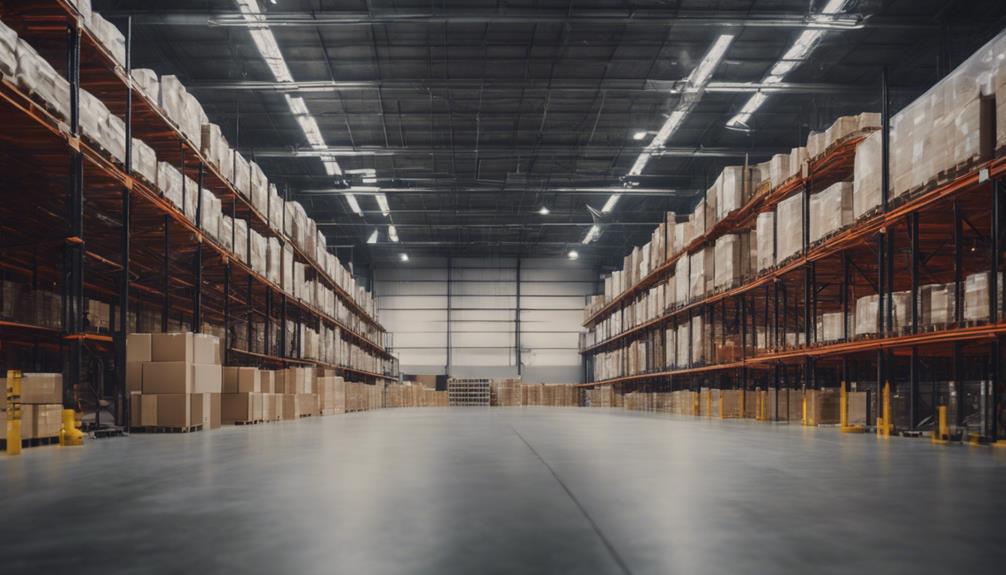
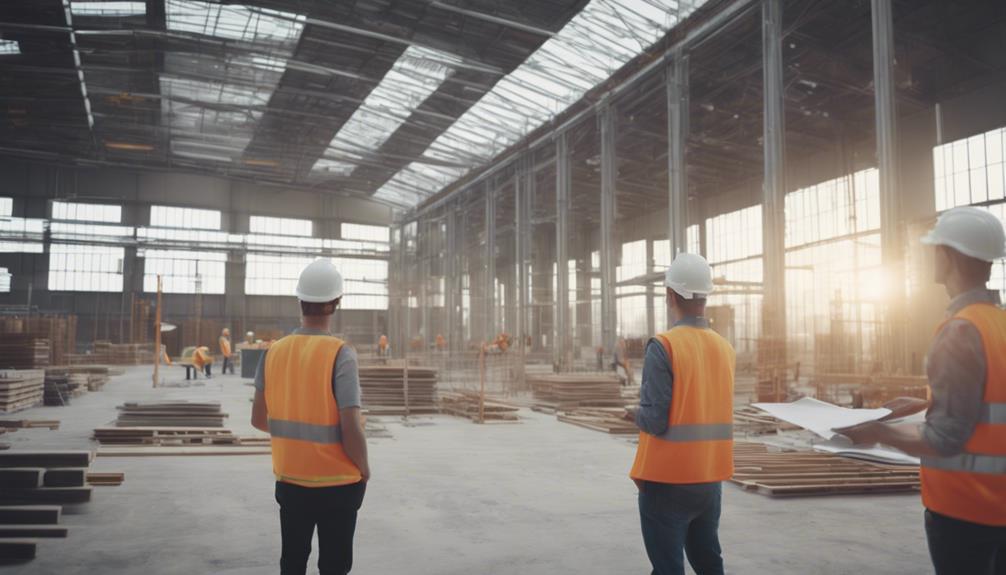
Strategic planning and efficient design are vital in warehouse construction. Considerations such as space utilization, automation integration, future growth, and employee well-being play pivotal roles. Sustainable practices and regulatory adherence are also essential. These factors guarantee warehouses are not just functional today but also future-proofed for tomorrow, setting the stage for long-term business success.
Key Takeaways
- Strategic facility planning optimizes space utilization for future growth.
- Automation integration enhances labor efficiency and productivity.
- Designing for flexibility and adaptability prepares for operational changes.
- Employee safety and comfort are prioritized in warehouse design.
- Sustainable practices and green initiatives reduce environmental impact.
What is the Steel Structure of a Warehouse?
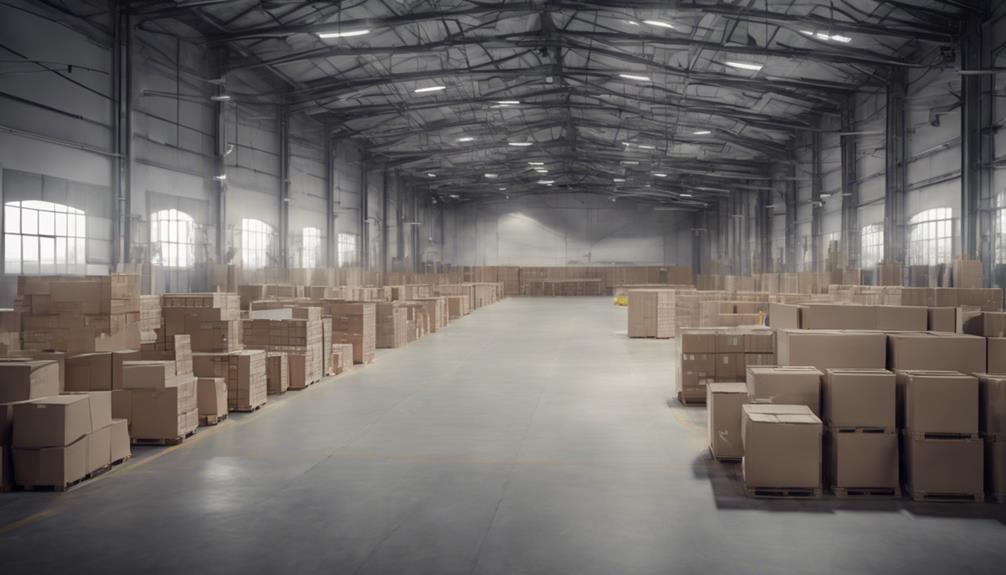
The steel structure of a warehouse provides essential support and stability for the building. It typically consists of steel columns, beams, and roof trusses. Columns are vertical members that bear the weight of the structure and transfer it to the foundation. Beams are horizontal members that connect the columns, providing additional support. Roof trusses are triangular structures that support the roof and distribute its weight evenly. Steel is preferred for warehouse construction due to its strength, durability, and cost-effectiveness. It allows for large, open interior spaces without the need for numerous supporting columns, making it ideal for storage and industrial purposes.
Steel Warehouse Facility Design and Space Utilization
How can strategic facility planning optimize warehouse space utilization effectively in response to evolving operational demands and labor challenges? Warehouse construction companies play an essential role in addressing this question by designing facilities that are not only efficient in space utilization but also adaptable to changing needs. By working closely with warehouse construction companies that specialize in creating innovative and flexible spaces, businesses can guarantee that their warehouses are equipped to handle evolving operational demands and labor challenges.
These companies understand the importance of right-sizing warehouses and considering future growth to avoid wasted space or the need for frequent expansions. By designing for flexibility and adaptability, warehouse construction companies enable businesses to make efficient use of their space while also being prepared for any changes in operations or storage requirements.
Additionally, by prioritizing employee safety, comfort, and recruitment through thoughtful facility design, warehouse construction companies contribute to creating a conducive and attractive work environment that can help address labor challenges effectively.
Automation Integration and Labor Efficiency
Integrating automation systems into warehouse operations is a pivotal strategy for enhancing labor efficiency and optimizing overall productivity. By incorporating advanced technologies such as robotics and AI, warehouses can greatly reduce labor costs by up to 70% and achieve up to a 30% savings in operational expenses. Automated systems have shown to improve picking efficiency by 2-3 times compared to manual processes, allowing for faster order fulfillment and increased throughput. Additionally, these technologies can handle up to 80% of repetitive tasks, freeing up employees to focus on more value-added activities.
When considering warehouse construction materials, it is essential to plan for the integration of automation systems to guarantee seamless operation and maximize utilization of space. Investing in durable materials that can support the installation of robotic equipment and conveyors is vital for long-term efficiency. By incorporating automation into the design and construction process, warehouses can experience a 15-20% increase in productivity while creating a more streamlined and cost-effective operation.
Future Growth and Adaptability Planning
Guaranteeing future growth and adaptability in warehouse construction requires careful planning and design considerations to accommodate evolving business needs effectively. Warehouse construction firms play a crucial role in verifying sites for potential growth, allowing for scalability and adaptability.
By designing with growth flexibility in mind, these firms enable easy expansion and modification of facilities as business requirements change over time. Additionally, planning for niche functions and specialized facilities from the outset ensures that warehouses can cater to diverse operational needs efficiently.
Through upfront planning for all facility uses, warehouse construction firms can optimize space and functionality to support long-term growth objectives. Insights from projects like RS&H highlight the importance of incorporating cold storage capabilities and expansion planning strategies into sustainable warehouse development, further underscoring the significance of future growth and adaptability planning in the construction process.
Employee Safety and Comfort Prioritization
In order to guarantee a safe and comfortable working environment, warehouse construction must prioritize employee safety and well-being through thoughtful design considerations. Designing for employee safety involves intricate egress layouts in larger facilities and considering how the placement of equipment affects egress distances.
Break and rest areas are essential in warehouse design to enhance employee comfort and overall well-being. Foresight in building functionality is important to address the specific safety and comfort needs of employees. Additionally, meeting FDA requirements for temperature control is necessary, as it directly impacts warehouse design to guarantee employee safety.
Sustainable Practices and Green Initiatives
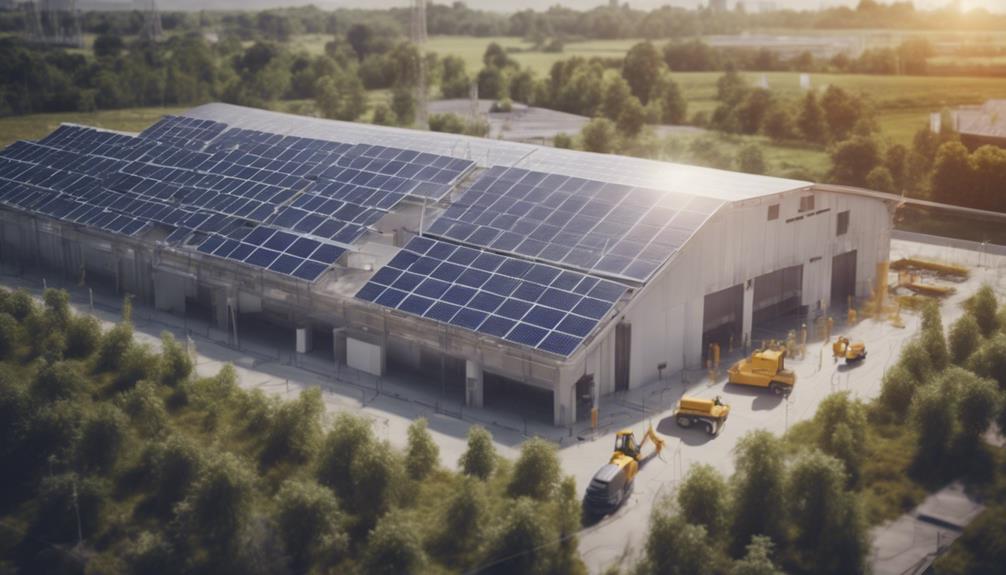
Sustainable practices and green initiatives play an essential role in modern warehouse construction, emphasizing environmental responsibility and resource efficiency. Incorporating energy-efficient lighting is a key aspect of green initiatives in warehouse design. By using energy-efficient lighting solutions, warehouses can greatly reduce their energy consumption and carbon footprint. Additionally, utilizing low embodied carbon solutions and efficient HVAC systems further contribute to environmental sustainability in warehouse operations.
Another sustainable practice is the strategic location of warehouses in urban settings to reduce transportation needs and promote a closer proximity to the workforce, decreasing overall carbon emissions. Furthermore, incorporating green features in warehouse design, such as green spaces and biodiversity initiatives, not only enhances the environmental impact but also promotes a healthier work environment for employees.
Structural considerations like material selection for sustainability, fire safety measures, and load resistance are vital aspects of sustainable warehouse design, ensuring long-term environmental conservation and operational efficiency. By integrating these sustainable practices and green initiatives, warehouses can build for the future with a strong focus on environmental stewardship and energy efficiency.
Compliance and Regulatory Considerations
Adhering to building codes and regulatory standards is paramount in warehouse construction to guarantee safety and compliance with legal mandates. When initiating a warehouse construction project, a warehouse construction company must ensure strict adherence to various regulatory considerations. These include meeting fire safety standards to protect the premises and its occupants, establishing occupancy limits to prevent overcrowding, and incorporating accessibility requirements to accommodate individuals of all abilities.
Moreover, understanding zoning laws and environmental regulations is essential to avoid potential delays and legal complications during the construction process. Compliance with Occupational Safety and Health Administration (OSHA) regulations is also a top priority for warehouse construction companies to safeguard the well-being of employees and mitigate the risk of penalties.
Additionally, obtaining the necessary building permits and approvals in alignment with local, state, and federal regulations is imperative before commencing any warehouse construction to ensure a smooth and legally compliant project execution.
To wrap up, warehouse construction necessitates meticulous deliberation of facility design, automation integration, future growth planning, employee safety, sustainable practices, and regulatory compliance. By prioritizing these crucial elements, companies can construct warehouses that are efficient, adaptable, and safe for their employees.
It is essential to incorporate these considerations into the construction process to guarantee long-term success and sustainability in the ever-evolving warehouse industry.
Frequently Asked Questions on Steel Warehouse Construction
What are the Considerations for Warehouse Construction?
Considerations for warehouse construction encompass optimizing operational efficiency, storage capacity, accessibility, throughput, and product specifications. Financial evaluations, safety regulations compliance, and site details play an essential role. Efficient inventory management, order fulfillment, and workflow streamlining are crucial.
What Must Be Taken in Consideration Before Building a New Warehouse?
Before constructing a new warehouse, conduct a needs assessment to determine storage requirements, budget, and goals. Plan a logical flow of operations to optimize efficiency. Allocate space wisely, considering throughput, product specifications, and operational needs for maximum functionality and capacity.
What is the Future of Warehousing?
The future of warehousing involves automation, technology integration, and sustainability practices to enhance efficiency and reduce costs. Warehouses prioritize space optimization, growth flexibility, and employee safety through innovative design, incorporating energy-efficient systems and eco-friendly materials.
What are the Factors to Be Considered in Setting up a Warehouse?
Factors in setting up a warehouse include design for operational flow, accessibility for handling, efficient space allocation, throughput evaluation based on product characteristics and volumes, and understanding product specifications for storage needs. These elements guarantee operational efficiency.

by Abdullah | Apr 5, 2024 | Structural Steel
Industrial steel structures are vital for modern enterprises due to their high load-bearing capacity, resilience to natural disasters, and quick construction times. They offer cost-effectiveness with low maintenance needs and customizable designs that enhance workflow efficiency. From warehouses to manufacturing facilities, these structures guarantee durability, flexibility, and energy efficiency. Their sustainability, versatility, and financial savings contribute to operational efficiency and environmental stewardship. With exceptional resilience to disasters, they provide long-term value, stability, and safety. Their endurance and robustness, combined with top-quality standards, make them a reliable and enduring choice. Embracing industrial steel structures drives success in today’s competitive business world.
Key Takeaways
- Essential for warehouses, factories, and manufacturing facilities due to high load-bearing capacity.
- Cost-effective, quick construction times, and easy maintenance contribute to operational efficiency.
- Resilience to natural disasters like earthquakes and fires ensures long-term value.
- Versatile designs enhance industrial spaces, promoting productivity and workflow efficiency.
- Sustainable, eco-friendly, and energy-efficient, leading to financial savings and environmental stewardship.
Advantages of Industrial Steel Structures
Industrial steel structures offer a multitude of advantages that contribute greatly to the efficiency and safety of modern enterprises.
One key advantage is their high load-bearing capacity, making them ideal for supporting heavy equipment and machinery in factories. This feature guarantees that industrial operations can run smoothly without concerns about structural integrity. Additionally, steel structures provide excellent resilience to natural disasters such as earthquakes and high winds, safeguarding the workspace and employees within.
Why is Steel Structure Important in Modern Construction?
The quick construction time of Industrial Steel Structures is another notable benefit, allowing enterprises to reduce downtime and commence operations sooner, ultimately leading to increased productivity.
Moreover, the cost-effectiveness of steel structures in the long run is a significant advantage. With low maintenance requirements and exceptional durability, these structures save enterprises money on repairs and replacements over time. In addition, the customizable designs of industrial steel structures enable enterprises to tailor their factory layout to meet specific operational needs and enhance workflow efficiency, providing a versatile and adaptable solution for modern industrial settings.
Applications in Modern Enterprises
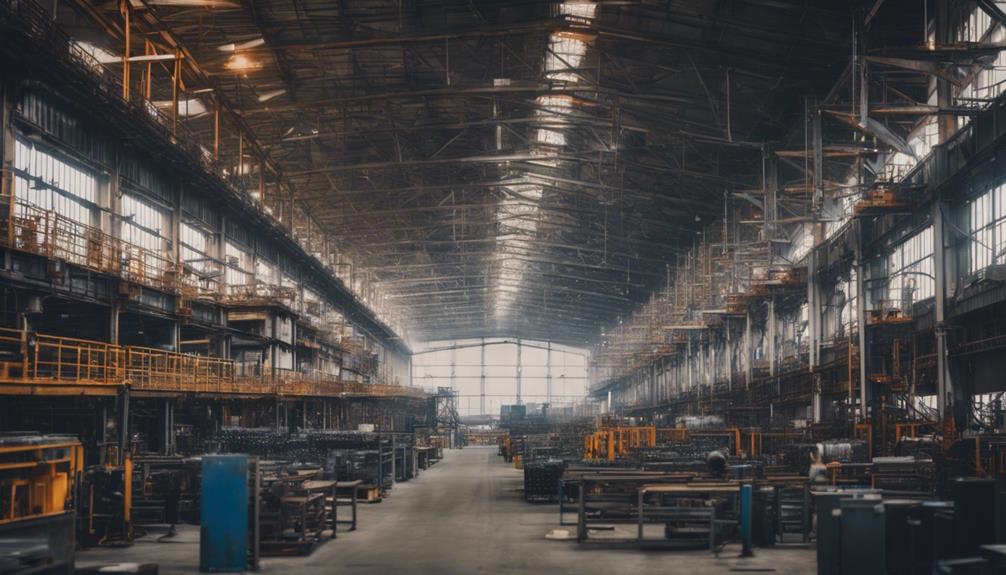
With the increasing demand for efficient and adaptable infrastructure solutions, the applications of steel structures in modern enterprises have become essential for supporting a wide range of operational needs. Industrial steel structures play a pivotal role in the design of warehouses, factories, and manufacturing facilities due to their high load-bearing capacity, durability, and flexibility. These structures offer cost-effectiveness, quick construction times, and easy maintenance, making them ideal for modern enterprises looking to optimize their operational efficiency.
The industrial steel structure design guarantees that these buildings are resistant to natural disasters, fireproof, and energy-efficient, providing a secure environment for various industrial operations. By utilizing steel structures, modern enterprises can benefit from long-term value, stability, and safety in their day-to-day activities. Whether it’s creating expansive warehouses or specialized manufacturing facilities, steel structures offer the reliability and strength necessary to meet the diverse needs of modern enterprises while ensuring a robust and functional infrastructure.
Steel Structure’s Sustainability and Cost-Effectiveness
In the domain of modern enterprises, the sustainability and cost-effectiveness of industrial steel structures have emerged as key factors driving operational efficiency and environmental responsibility.
Industrial steel construction offers a multitude of benefits that align with the goals of eco-conscious businesses. Steel structures are highly sustainable due to their recyclability and low environmental impact, making them a preferred choice for companies aiming to reduce their carbon footprint.
Additionally, the cost-effectiveness of steel structures is evident in their durability, requiring minimal maintenance throughout their lifespan. This not only leads to long-term savings but also contributes to energy efficiency, ultimately reducing operational costs for businesses.
Furthermore, the versatility of steel allows for innovative and aesthetically pleasing designs, enhancing the overall appeal of industrial spaces. By embracing sustainable steel construction practices, modern enterprises can not only achieve their financial objectives but also play a significant role in promoting eco-friendly initiatives and environmental stewardship.
Resilience to Natural Disasters
Steel structures demonstrate exceptional resilience to natural disasters, showcasing their ability to withstand extreme environmental conditions with robustness and reliability. In the domain of industrial steel manufacturing, this resilience is a critical factor for enterprises looking to protect their assets and maintain operational continuity in the face of adversity.
Designed to withstand hurricanes, tornadoes, earthquakes, and fires, steel buildings offer a high level of protection against a variety of natural hazards. Additionally, their stability and durability make them a secure choice for industries located in flood-prone areas, ensuring that business operations can continue even in the event of flooding.
The flexibility of steel further enhances its resilience by allowing for easy modifications and reinforcements to adapt to changing environmental factors. By providing a reliable solution for enterprises seeking to minimize the impact of natural disasters on their operations, industrial steel structures stand out as a resilient and dependable choice for modern businesses.
Steel Structures is Use for Longevity and Stability in Construction
Exhibiting exceptional endurance and structural robustness, industrial steel structures provide a foundation of longevity and stability in construction projects. Industrial steel suppliers play a vital role in guaranteeing that these structures meet the highest quality standards for durability and strength.
By utilizing steel in construction, enterprises can depend on the long-term resilience of their buildings. The high resistance of steel structures to natural disasters further enhances their stability, safeguarding industrial operations and personnel within.
The track record of steel in construction speaks to its ability to maintain structural integrity over extended periods, offering a cost-effective and reliable solution for modern enterprises. The superior strength of industrial steel structures not only ensures longevity but also contributes to sustainable building practices.
As industrial steel suppliers continue to innovate and refine their products, the construction industry can increasingly rely on steel structures for enduring stability and longevity in their projects.
To sum up, industrial steel structures play a pivotal role in modern enterprises due to their numerous advantages. They offer sustainability, cost-effectiveness, resilience to natural disasters, and longevity in construction projects.
These structures are essential for ensuring the efficiency and stability of operations in various industries. As technology advances and the demand for sustainable solutions increases, industrial steel structures will continue to be a key component in the development and growth of modern enterprises. Get in touch with us for inquiry.
Frequently Asked Questions on Industrial Steel Structures
Why is Steel Structure Important in Modern Construction?
Steel structures are essential in modern construction due to their high load-bearing capacity, stability, and resistance. They offer durability, fire resistance, and customizable designs, ensuring quick construction, energy efficiency, and easy maintenance in projects.
What is the Role of Steel in the Building Industry?
Steel in the building industry serves as a fundamental material due to its strength, durability, and safety. Its versatility allows for various applications, ensuring cost-effectiveness, quick construction, and low maintenance needs, making it a preferred choice for modern enterprises seeking reliable infrastructure solutions.
What is the Role and Importance of Structural Steel Components in Industrial Building Construction?
Structural steel components play a vital role in industrial building construction due to their high load-bearing capacity, stability, and resistance to natural disasters. They offer quick construction times, cost-effectiveness, and customizable designs to meet specific industrial requirements.
Why is Steel Used in Modern Architecture?
Steel is utilized in modern architecture due to its strength, durability, fire resistance, and versatility in diverse designs. It offers resistance to pests, mold, and weathering, making it a cost-effective choice with low maintenance requirements for construction projects in modern enterprises.
by Abdullah | Apr 5, 2024 | Storage Tanks
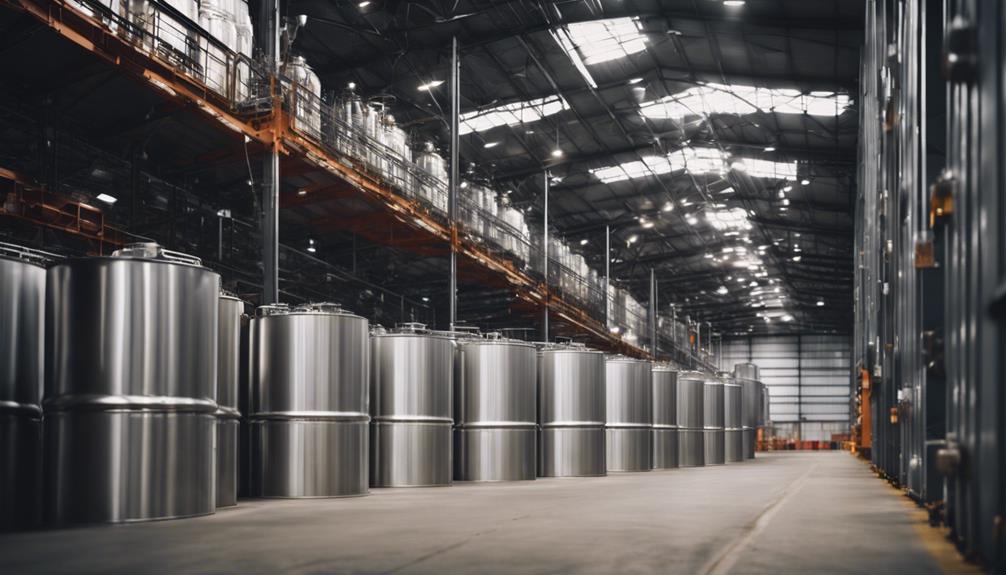
Steel storage tanks offer durability, structural integrity, and secure storage for liquids amidst harsh conditions. Versatile in catering to water, chemicals, and petroleum storage needs, they also minimize operational costs and guarantee long-term storage capacity. Additionally, customizable options for size, shape, and fittings make them ideal for diverse commercial applications. Businesses looking for reliable, cost-effective, and tailored storage solutions find steel tanks indispensable. Learn more about how steel storage tanks benefit specific commercial requirements.
Key Takeaways
- Exceptional durability and structural integrity for harsh environments and heavy loads.
- Versatile storage solutions for water, chemicals, and petroleum products.
- Cost-effective with minimal maintenance, reducing operational expenses.
- Enhanced storage capacity with tailored sizes and shapes for efficiency.
- Customization options for specific industrial applications, maximizing storage efficiency.
Steel Storage Tanks Durability and Structural Integrity
Boasting exceptional durability and structural integrity, Steel Storage Tanks stand as reliable assets for meeting commercial storage demands efficiently and effectively. These tanks are renowned for their ability to withstand harsh environmental conditions and heavy loads, making them a preferred choice for industrial storage needs. Unlike plastic or fiberglass tanks, steel storage tanks offer superior strength and security when storing various liquids, ensuring long-term reliability.
The enhanced structural strength of steel tanks allows them to handle extreme weather conditions with ease, maintaining their integrity over time without compromising performance. This longevity not only provides peace of mind to commercial operators but also reduces the need for frequent replacements, resulting in cost savings and efficient storage solutions. Steel storage tanks are designed to last, offering a robust and dependable option for businesses looking to store liquids securely and effectively.
Versatile Storage Solutions
Steel storage tanks provide a wide range of versatile storage solutions for various liquids commonly used in commercial and industrial settings. These tanks, offered by reputable steel storage tank manufacturers, are designed to cater to a diverse range of storage needs. They can effectively store liquids such as water, chemicals, and petroleum products.
Manufacturers customize these tanks with regards to size, shape, and additional features like insulation to meet specific storage requirements efficiently. The adaptability of steel tanks to different substances makes them suitable for a variety of industrial applications. Their ability to maintain integrity and performance with various liquids guarantees their reliability for long-term storage needs in commercial operations.
Additionally, steel storage tanks are built to handle heavy loads effectively, providing a secure storage solution that minimizes the risk of leaks, spills, and accidents in commercial storage settings.
Cost-Effectiveness for Businesses
Demonstrating long-term financial prudence, bolted steel tanks offer businesses a cost-effective solution with minimal maintenance requirements. The durability and longevity of steel tanks result in lower operational costs and overall savings for businesses throughout their lifespan. Due to their sturdy construction, steel tanks require minimal repairs and upkeep, reducing maintenance expenses considerably.
Additionally, the initial investment in bolted steel tanks proves to be a wise financial decision over time, as the cost savings from decreased maintenance and operational expenses accumulate. Furthermore, the versatility of steel tanks allows for easy repurposing or relocation, providing businesses with flexibility and cost savings for their storage needs.
Enhanced Storage Capacity
With the ability to guarantee varying storage needs efficiently, steel storage tanks offer a versatile solution for businesses seeking enhanced storage capacity.
Steel storage tanks, provided by reputable steel storage tank suppliers, come in a range of sizes, offering ample storage capacity that can range from hundreds to millions of gallons.
These tanks can be tailored in size and shape to make the most of available space, optimizing storage capacity based on specific requirements. Their robust construction allows them to handle heavy loads and securely store large volumes of liquids, chemicals, or petroleum products.
The structural strength of steel tanks guarantees long-term storage capabilities, making them well-suited for commercial operations with high storage demands.
Additionally, steel tanks are designed to withstand the weight of stored materials, maintaining storage capacity integrity over time in demanding commercial settings.
Customization Options for Specific Needs
Tailoring storage tanks to specific requirements allows businesses to optimize storage solutions for varying industrial applications and space constraints effectively. When it comes to stainless steel storage tanks, customization options play a significant role in meeting commercial storage needs. These tanks can be customized regarding size, shape, and additional features such as insulation to guarantee they are tailored for different liquids, chemicals, and products, maintaining ideal storage conditions.
Additionally, customizable stainless steel tanks can be designed with specific fittings, connections, and coatings according to commercial requirements, providing efficient storage solutions. The flexibility offered by customizable steel tanks enables them to accommodate unique industrial applications and space constraints effectively. By allowing for precise tailoring, these tanks can meet the exact specifications and demands of commercial operations, thereby maximizing storage efficiency and ensuring the seamless integration of storage solutions into diverse business environments.
Steel Storage Tanks are Preserving Quality and Purity
The quality and purity of stored liquids are effectively maintained through the use of steel water storage tanks. These tanks ensure protection against contamination and preserve integrity over time.
Steel storage tanks are designed to prevent interactions between the stored substances and the tank material, safeguarding against contamination. Unlike other materials, steel tanks do not leach harmful chemicals into the stored liquids, ensuring their safety and purity. Additionally, steel tanks inhibit algae growth and protect against UV damage, contributing to the preservation of liquid quality.
The inert nature of steel further aids in maintaining the purity of stored liquids without altering their composition. By offering a hygienic and sterile storage environment, steel water storage tanks enhance the safety and quality of the stored materials, making them a reliable choice for commercial storage needs.
Frequently Asked Questions on Steel Storage Tanks
Why Do We Need Storage Tanks?
Storage tanks are essential for holding large quantities of liquids in commercial operations. They provide centralized and secure storage, regulate supply fluctuations, prevent spills, and guarantee compliance with environmental regulations, maintaining a safe work environment.
What are Steel Tanks Used For?
Steel tanks are utilized for storing various liquids like water, chemicals, and petroleum products. They offer exceptional durability and strength, are customizable for specific storage requirements, and designed to handle heavy loads effectively in industrial applications.
Why Steel Tanks are Used for Storage of Hot Water?
Steel tanks are employed for storing hot water owing to their robustness, resistance to corrosion, and capability to handle thermal expansion. Their structural integrity guarantees secure containment, while efficient heating and distribution make them ideal for commercial storage needs.
What are the Advantages of Plastic Tanks Over Steel Tanks?
Plastic tanks offer advantages over steel tanks, such as being lighter for easier transport and installation, cost-effective upfront, resistant to rust, available in various colors for liquid identification, and non-conductive for storing reactive substances.
Conclusion
To sum up, steel storage tanks offer commercial businesses a durable and structurally sound solution for their storage needs. With versatile storage options, cost-effectiveness, and enhanced capacity, steel tanks provide businesses with customizable options to meet their specific requirements.
Additionally, the preservation of quality and purity of stored materials make steel storage tanks a reliable choice for businesses looking to maintain the integrity of their stored products. Get in touch with us.
by Abdullah | Apr 5, 2024 | Steel Fabrication
Steel fabrication services are vital in industries like construction, energy, manufacturing, shipbuilding, automotive, and mining. Steel’s strength and durability make it indispensable for structural components in buildings, energy infrastructure, and vehicles. Its versatility allows customized components for various projects. Steel guarantees stability, longevity, and safety in different applications within these industries. If you want to explore how steel fabrication impacts these sectors further, discover the specific roles steel plays in construction projects, energy infrastructure, manufacturing processes, shipbuilding ventures, automotive advancements, and mining operations.
Key Takeaways
- Construction industry utilizes steel fabrication for structural components.
- Energy sector relies on steel for stability in infrastructure.
- Manufacturing sector benefits from steel for safety and efficiency.
- Shipbuilding industry depends on steel for structural integrity in vessels.
- Automotive sector uses steel for safety and performance in vehicles.
Steel Fabrication in Construction Industry
The construction industry heavily relies on steel fabrication services for the production of structural components essential for building projects. Structural steel is the material of choice in construction due to its exceptional strength and durability. Fabricated steel sections such as beams, girders, plates, and H-shaped sections are commonly used in construction projects to provide the necessary strength and stability to large structures. Architects, engineers, and contractors prefer steel for its versatility and ease of customization, allowing for innovative and complex designs to be realized efficiently.
Steel fabrication services play a pivotal role in the construction industry by enabling the creation of tailored steel components that meet project specifications. The use of steel in construction projects not only guarantees structural integrity but also contributes to faster project completion times, making it a preferred choice for builders and developers. The ability to fabricate steel into various shapes and sizes according to project requirements makes it an indispensable material in the construction sector.
Steel Fabrication in Energy Sector
Steel fabrication services are pivotal to the efficient functioning of the energy sector, playing a fundamental role in supporting various structures and components essential for energy infrastructure. Steel fabrication companies are vital for the production of structures like platforms, towers, and pipelines that are integral to the operations of the energy sector.
In the oil and gas industries, fabrication projects frequently involve steel components due to the material’s durability and strength. Additionally, steel is essential for supporting renewable energy sources such as wind turbines and transmission towers in the energy sector. The use of structural steel provides stability and longevity to energy infrastructure projects, ensuring their reliability and performance over time.
Given the heavy reliance of the energy sector on steel for its critical components, collaboration with steel fabrication companies is necessary to meet the sector’s demands for quality and durability in its infrastructure.
Steel Fabrication in Manufacturing Sector
Within manufacturing operations, the importance of steel fabrication services is indispensable for ensuring the structural integrity and efficiency of industrial equipment. Steel products such as ladders, platforms, stairs, handrails, and mezzanines play a vital role in enhancing safety and efficiency within the manufacturing sector.
The manufacturing industry heavily depends on steel fabrication services to guarantee the durability of essential industrial equipment like process tanks, mixing tanks, storage tanks, and utility carts. Major companies in the manufacturing sector, such as Procter and Gamble Philippines and Lazada Philippines, rely on steel in their production processes.
Steel fabrication services are essential for creating customized metal components that cater to the specific requirements of the manufacturing sector, ensuring that operations run smoothly and safely. The versatility and durability of steel make it a preferred material for manufacturing applications, highlighting the significant role of steel fabrication services in sustaining the efficiency and safety standards within the manufacturing sector.
Steel Fabrication in Shipbuilding Industry
Playing an essential role in maritime construction, Steel Fabrication Company are fundamental in ensuring the structural integrity and seaworthiness of vessels in the shipbuilding industry. Steel, being a primary material in shipbuilding, is used for constructing various vessels like supertankers, ferries, and recreational boats.
Common components such as flooring, grating, ladders, sections, and hull sheets are crafted from steel in the shipbuilding process. The durability and strength of steel make it indispensable for ship repair, maintenance, and military applications. From large commercial ships to smaller boats, steel is important in the construction and longevity of marine vessels.
The shipbuilding sector heavily relies on steel fabrication workshops to provide the necessary components for the vessels, ensuring they meet stringent quality standards and safety regulations. The precision and expertise offered by steel fabrication workshops are essential for the successful construction of seaworthy ships across various segments of the shipbuilding industry.
Steel Fabrication in Automotive Sector
The automotive industry’s demand for steel underscores its pivotal role as a foundational material in the sector’s production processes. Steel manufacturing plays a vital role in meeting the stringent safety standards and structural requirements of modern vehicles.
Accounting for 16% of globally manufactured steel, the automotive sector heavily relies on high-quality, lightweight, and strong steel to enhance performance and efficiency in cars. The steel used in the automotive industry is meticulously manufactured to be ductile and meet industry standards, ensuring the durability and safety of vehicles.
With a continuous focus on improving vehicle quality and safety measures, the consumption of steel in the automotive sector is on the rise. As technology advances and consumer expectations evolve, the automotive industry’s dependence on steel manufacturing is expected to further increase to meet the demands for innovative and reliable vehicles.
Steel Fabrication in Mining Industry
Steel plays a crucial role in supporting infrastructure and equipment within the mining industry. Stainless steel fabrication services are vital in the construction of office structures, warehouses, and various machinery used in mines. Essential components like rails, beams, and rods are commonly made from steel to withstand the demanding conditions of mining applications.
Smaller steel materials such as grating, pipes, and fittings are extensively utilized in day-to-day mining operations to ensure efficiency and safety. Iron ore, a fundamental element in steel production, is a significant mining export globally, highlighting the interconnectedness of the steel and mining industries.
The reliability and durability of stainless steel make it a preferred material for fabrication in the mining sector, where robust structures and equipment are essential for successful operations.
To sum up, steel fabrication services are vital for various industries such as construction, energy, manufacturing, shipbuilding, automotive, and mining. These industries depend on steel fabrication to produce bespoke structures, equipment, and components to meet their particular needs and requirements.
Steel fabrication plays an essential role in the advancement and expansion of these industries, contributing to their success and efficiency in providing top-notch products and services to their clients. Get in touch with us.
Frequently Asked Questions on Steel and Metal Fabrication Services
Which Industries Require Steel?
Steel is essential in numerous industries due to its strength, durability, and versatility. Sectors like construction, shipbuilding, automotive, mining, and energy heavily rely on steel for structural integrity and safety. Its applications range from buildings to vehicles, making it indispensable.
What Industries Use the Most Steel?
Industries like automotive, shipbuilding, mining, and construction heavily rely on steel due to its structural integrity, durability, and versatility. Steel plays an essential role in enhancing safety, supporting infrastructure, and enabling innovative designs across various sectors.
What Are the Uses of Steel Fabrication?
Steel fabrication serves various industries by providing durable, flexible, and structurally sound components for construction, mining, shipbuilding, and automotive sectors. Its uses include infrastructure, equipment, vessels, and safety reinforcements, enhancing strength and reliability in diverse applications.
What Is Fabrication in Different Industries?
Fabrication in various industries encompasses the creation of custom metal items such as process tanks, storage tanks, and structural components. This process guarantees the production of high-quality, durable, and customized metal products tailored to meet specific operational requirements.
by Abdullah | Apr 5, 2024 | Storage Silos
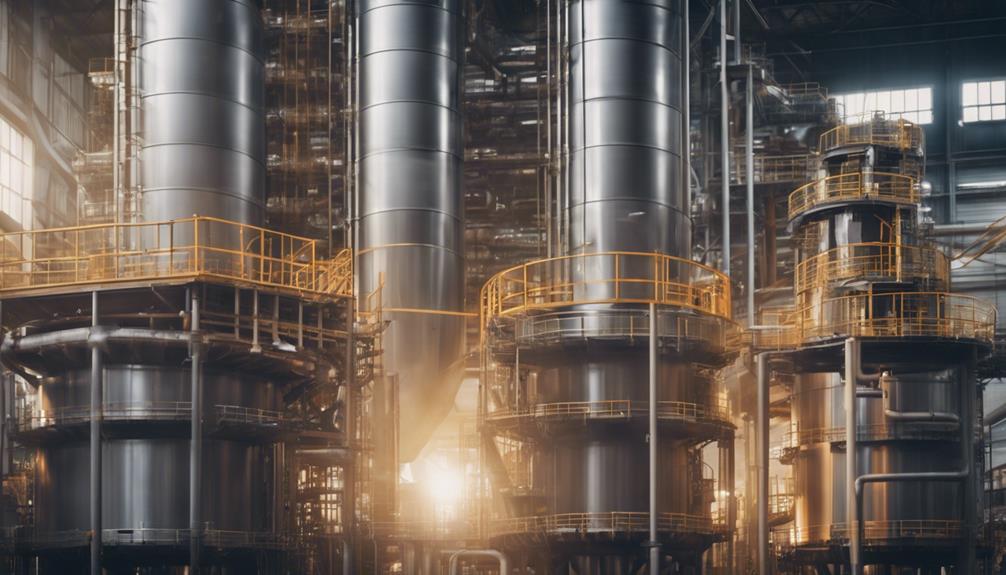
Bulk storage silos enhance productivity and profitability by optimizing storage efficiency, reducing overhead costs, increasing space utilization, cutting operational expenses, and improving safety measures. Implementing conveying systems, safety features, and FIFO principles further enhance operational efficiency and material handling. The centralization of storage, protection against external factors, and streamlined retrieval systems contribute to this. Understanding the impact of silos on material handling processes is important for boosting efficiency and profitability. Expanding on these insights can provide a deeper understanding of how bulk storage silos revolutionize productivity and profitability.
Key Takeaways
- Optimizes storage efficiency and space utilization.
- Reduces operational expenses and overhead costs.
- Enhances safety measures in material handling.
- Centralizes storage for streamlined operations.
- Improves productivity, leading to profitability.
Silo Integration with Conveying Systems
Incorporating conveying systems into silo operations streamlines the transfer of bulk materials, optimizing efficiency and reducing labor costs. When considering the integration of conveying systems with storage silos, selecting a reputable storage silos manufacturer is vital. A reliable manufacturer will guarantee seamless compatibility and efficient functioning between the silo and conveying system.
Storage Silos Safety Features and Monitoring Systems
When focusing on the operational aspects of bulk storage silos, the implementation of robust safety features and efficient monitoring systems becomes paramount. Safety features in storage silo design are critical for guaranteeing the stability and integrity of the structure. These features typically include robust construction using durable materials to withstand the pressures exerted by stored materials and external elements.
Monitoring systems play a key role in tracking inventory levels, detecting issues such as leaks or temperature variations, and maintaining ideal storage conditions. Automated monitoring systems provide real-time data on critical parameters like temperature and humidity, enhancing safety and preventing potential hazards. Safety protocols within silos prioritize the protection of both personnel and stored materials. Regular inspections and maintenance of safety features and monitoring systems are essential to guarantee the continued safety and efficiency of bulk storage silos.
FIFO Principle Implementation in Silos
The implementation of the FIFO principle in silos is essential for optimizing inventory management and minimizing material waste. FIFO, which stands for ‘first in, first out,’ guarantees that the oldest materials are used first, reducing the risk of spoilage and maintaining product quality. By following the FIFO principle in silos, businesses can streamline material handling processes, reduce storage costs, and enhance operational efficiency. This approach is particularly critical in industries where product quality and shelf life are paramount.
Implementing FIFO in silos enables companies to maximize the use of materials effectively, minimize losses due to expired or obsolete stock, and ultimately enhance profitability. By prioritizing the consumption of older inventory before newer stock, businesses can prevent waste, improve inventory turnover rates, and make sure that resources are utilized efficiently. Overall, the adoption of the FIFO principle in silos plays a crucial role in enhancing productivity and profitability in various industrial settings.
Impact of Silos on Material Handling
The operational efficiency of industrial processes is greatly influenced by the way silos impact material handling, optimizing storage and retrieval systems. Grain storage silos play an important role in streamlining material handling operations by centralizing storage and facilitating efficient retrieval processes. By enabling FIFO (First In, First Out) handling, silos effectively reduce waste and optimize inventory management, ensuring that older materials are used first before newer ones. Additionally, silos provide protection against external factors such as moisture, pests, and contamination, which helps maintain the quality of stored materials.
Efficient material flow within grain storage silos enhances overall productivity by minimizing downtime and optimizing operations. This improved flow also contributes to better inventory control and tracking. Moreover, silos enhance safety in material handling processes by controlling access and promoting adherence to safety protocols. Overall, the impact of silos on material handling is significant, leading to increased efficiency, reduced waste, improved inventory management, and enhanced safety measures.
Enhancing Operational Efficiency with Silos
With the integration of silos, operational efficiency in industrial processes experiences a significant enhancement through streamlined material handling and optimized storage solutions.
Cement storage silos play an important role in this enhancement by optimizing space utilization through vertical storage, maximizing the storage capacity within a compact footprint.
The centralized storage provided by silos enables efficient inventory management by enhancing monitoring and tracking capabilities, ensuring that materials are readily accessible when needed.
Additionally, silos prioritize safety with their robust construction and controlled access, safeguarding both personnel and materials within the facility.
By reducing operational costs over time, silos minimize the need for additional storage facilities and optimize expenses, contributing to significant cost savings.
Through improved inventory management, reduced waste, and enhanced operational efficiency, cement storage silos streamline industrial processes, making them a valuable asset for enhancing overall operational efficiency and productivity.
Profitability Boost Through Bulk Storage Silos
Enhancing profitability through the strategic implementation of Bulk Storage Silos can revolutionize industrial operations by optimizing storage efficiency and reducing overhead costs. Chemical storage silos play an essential role in boosting profitability by increasing space utilization and cutting operational expenses. By efficiently managing inventory within these silos, businesses can closely track usage, minimize waste, and enhance overall cost-effectiveness. Additionally, the safety features integrated into bulk storage silos not only guarantee the well-being of personnel but also protect the stored materials, contributing to improved profitability.
Over time, the cost savings achieved through bulk storage silos are substantial as they diminish the necessity for additional storage facilities, thereby reducing capital expenditure. Centralizing materials in silos streamlines management processes, enhances operational efficiency, and ultimately maximizes profits. By leveraging the benefits of chemical storage silos, businesses can drive profitability by optimizing resources, improving safety measures, and streamlining operations for long-term success.
The bulk storage silos play a vital role in enhancing productivity and profitability in various industries. By integrating with conveying systems, implementing safety features and monitoring systems, adhering to the FIFO principle, and improving material handling, silos contribute to operational efficiency. Ultimately, the use of bulk storage silos can lead to increased profitability through optimized storage and handling of materials. Get free inquiry now!
Frequently Asked Questions on Bulk Storage Silos
What are the Benefits of Storage Silos?
Storage silos offer secure, efficient, and organized storage solutions for bulk materials. Benefits include optimized inventory management, protection against environmental factors, space-saving designs, and streamlined material handling processes. These advantages contribute to operational efficiency and cost-effectiveness.
What is the Importance of Silos in the Industry?
The importance of silos in the industry lies in their ability to optimize storage space, streamline inventory management, prioritize safety, and reduce operational costs. Silos contribute notably to increased productivity and profitability across various sectors.
What are the Advantages of Bulk Storage of Grains?
Bulk storage of grains in silos offers numerous advantages. It optimizes space, protects against pests, and guarantees grain quality. Silos streamline inventory management, provide convenient loading, and maintain ideal storage conditions. They are durable and cost-effective.
Why are Silos Useful?
Silos are useful for their efficient storage capabilities, ensuring bulk materials like cement, fly ash, and alumina remain protected and organized. They offer customized designs, compatibility with conveying systems, and ideal capacity to meet specific storage needs.