by Abdullah | May 17, 2024 | Steel Fabrication
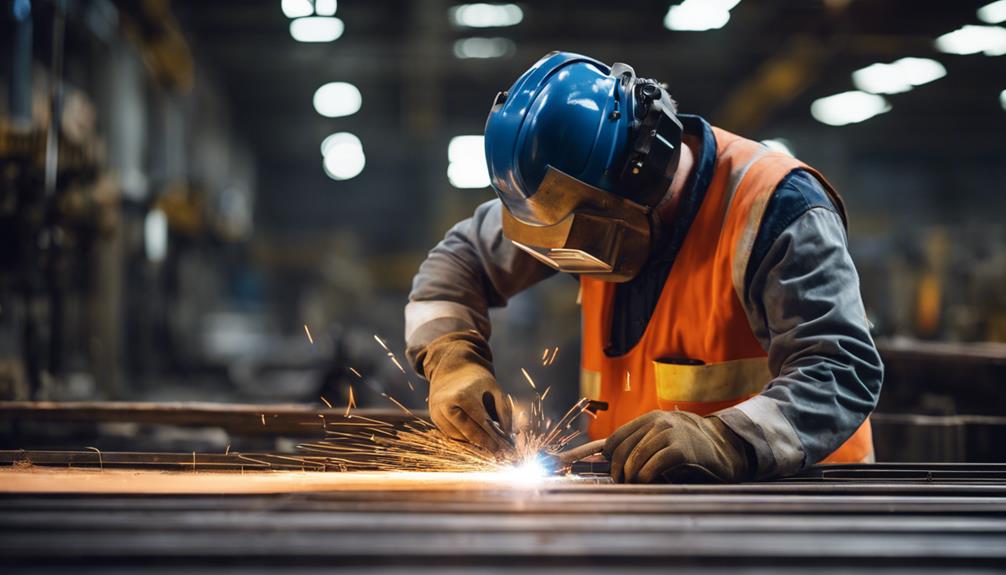
Master successful industrial steel fabrication projects with these top 10 tips: meticulous material selection, precise design tolerances, ideal stock gauge choices, uniform bending techniques, strategic cost-effective strategies, and attention to bend reliefs and clearances for structural integrity. Employing advanced technology, quality enhancements, and adherence to industry guidelines guarantee high-quality results. Focusing on these key areas can elevate the success of your steel fabrication projects.
Key Takeaways
- Choose materials wisely for durability and aesthetics.
- Maintain tight design tolerances for precise results.
- Opt for cost-effective stock gauges in fabrication.
- Ensure uniform bends and proper bend radii.
- Pay attention to clearances for structural integrity.
Material Selection
Selecting the appropriate materials plays a crucial role in ensuring the longevity and performance of industrial steel fabrication projects. When it comes to material selection, the choice between stainless steel fabrication and marine-grade aluminum can have a substantial impact on the durability of the final product. For projects that are exposed to harsh outdoor elements, such as marine environments or extreme weather conditions, opting for marine-grade aluminum or stainless steel is highly recommended. These materials offer exceptional resistance to corrosion and rust, ensuring that the structure maintains its integrity over time.
In contrast, materials like copper, zinc, and brass are better suited for indoor decorative projects where they can add aesthetic value without being exposed to the same level of environmental stress. By carefully considering the specific requirements of a project and choosing materials accordingly, industrial steel fabrication projects can not only achieve longevity but also maintain their visual appeal and structural robustness. Proper material selection is a fundamental step in ensuring the success of any metal fabrication endeavor.
Design Tolerances
Understanding design tolerances is paramount in the field of steel fabrication, as they dictate the permissible variations in specified dimensions on blueprints. Design tolerances in steel fabrication refer to the allowable variations in dimensions specified on a blueprint. These tolerances play a vital role in determining the quality and functionality of the final product.
Tight tolerances increase the complexity and cost of fabrication processes but are necessary for achieving precise and accurate outcomes. Deviations from design tolerances can lead to structural integrity issues or functional problems, highlighting the importance of adherence to these specifications. Proper communication of design tolerances between designers and fabricators is essential for project success.
When searching for steel fabrication companies near me, it is crucial to inquire about their approach to design tolerances to make sure that your project requirements will be met accurately. Adhering to design tolerances is key to the successful completion of steel fabrication projects and the delivery of high-quality products.
Stock Gauges
Choosing appropriate stock gauges is a pivotal decision in sheet metal fabrication projects, impacting both cost-efficiency and design feasibility. Stock gauges, which refer to standard thickness options available for sheet metal fabrication, play a pivotal role in the success of a project.
Thicker metals come with limitations on achievable bend angles and may increase costs due to material expenses and processing requirements. On the other hand, thinner and more pliable metals are preferred for intricate fabrications to avoid issues like cracking during the fabrication process.
Selecting stock gauges wisely can lead to more cost-effective and efficient fabrication processes, benefiting both the steel fabrication company and the ultimate end-users, especially in industries like construction where precise and complex metal components are often required.
Standard stock gauges not only help in simplifying designs but also contribute to reducing overall project expenses, making them a key consideration in steel fab for construction projects.
Uniform Bends
To guarantee maximum efficiency and cost-effectiveness in industrial steel fabrication projects, maintaining uniform bends on the same plane is vital for streamlining the bending process. Machines have limitations in bending objects in different directions without reorienting, making it imperative to confirm all bends on the same plane bend in the same direction.
Keeping bends in the same radius not only saves money by reducing the need for extra steps in bending and reliefs but also minimizes complexities and streamlines the fabrication process. It is recommended to choose a radius equal to or greater than the metal thickness for the best folds, especially when working with thicker metals. Additionally, avoiding unnecessary small bends can help reduce costs and simplify the fabrication process further.
Consistency in bending orientation is key to optimizing the fabrication workflow and ensuring a seamless bending operation, ultimately contributing to the success of the steel fabrication project.
Simplified Folds
For enhanced cost-effectiveness and efficiency in sheet metal fabrication, simplifying folds is a strategic approach that can lead to significant savings. When choosing a radius equal to or greater than the metal thickness for bends, the result is better folds that are more cost-effective.
It is important to note that small bends on thick parts are less accurate and can actually increase fabrication costs. Additionally, complicated designs with multiple angles in bends can escalate project expenses due to the increased complexity involved.
Specific Clearances
Proper adherence to specific clearances plays a vital role in ensuring the structural integrity and longevity of components in industrial steel fabrication projects. Maintaining a minimum clearance of 1.5 times the material thickness between a hole and a bend is essential to prevent distortion during the fabrication process. These specific clearances are not arbitrary; they are designed to uphold material integrity and prevent issues such as cracking that can occur when clearances are not followed accurately.
Adhering to clearance guidelines goes beyond just preventing distortion; it greatly enhances the structural strength and durability of fabricated components. By ensuring that the correct clearances are maintained, the risk of material deformation or failure at connection points is reduced, contributing to the overall quality of the steel fabrication project.
Understanding and implementing specific clearances is fundamental for achieving precise and high-quality results in industrial steel fabrication, making it an indispensable aspect of the fabrication process.
Bend Reliefs
Bend reliefs play a crucial role in industrial steel fabrication projects, safeguarding against metal distortion or tearing during the bending process. By incorporating bend reliefs into the design of metal components, engineers can guarantee the structural integrity and quality of the final product.
These features are strategically placed to help maintain the material’s strength by preventing stress concentrations that could lead to failure. The size and shape of bend reliefs are carefully calculated based on factors such as material thickness and bending requirements.
Proper utilization of bend reliefs not only reduces the likelihood of defects but also enhances the overall durability of fabricated metal parts. Manufacturers rely on the implementation of bend reliefs to mitigate the risks associated with bending processes, ultimately contributing to the production of high-quality steel components that meet stringent industry standards.
Cost-Effective Strategies
To enhance cost efficiency in industrial steel fabrication projects, implementing strategic measures can lead to significant savings without compromising quality. Utilizing standard stock sizes can result in savings of up to 20% on metal costs by minimizing material waste and processing time.
Avoiding excessive tight tolerance call-outs is another cost-effective strategy as it reduces the need for precision machining, thereby lowering overall production expenses. Opting for thinner, more pliable metals can also contribute to cost savings since thicker materials may increase fabrication complexity and limit bending angles, leading to higher manufacturing costs.
Keeping bends in the same orientation and simplifying folds and angles in bends are additional ways to reduce expenses in industrial steel fabrication projects by streamlining production processes and minimizing the need for additional steps. By incorporating these cost-effective strategies, project managers can effectively manage expenses while maintaining the desired quality standards.
Quality Enhancement
Ensuring the highest standards of precision and accuracy is paramount in enhancing the quality of industrial steel fabrication projects. Quality enhancement in this field involves meticulous attention to detail, including precise cuts, accurate welds, and proper shaping techniques. Advanced technology, such as CNC machines, plays a pivotal role in improving the accuracy and efficiency of fabrication processes.
Rigorous quality control measures are essential for detecting and rectifying any defects or imperfections that may arise during fabrication. Regular inspections throughout the fabrication process help guarantee that the final products meet project specifications and adhere to industry standards. By focusing on quality enhancement strategies, Industrial Steel Fabrication projects aim to deliver durable, reliable, and high-quality steel products suitable for a wide range of industrial applications. Emphasizing quality not only meets client expectations but also contributes to the overall success and reputation of the project.
Adherence to Guidelines
Maintaining strict adherence to industry guidelines is essential for ensuring the quality, precision, and safety of industrial steel fabrication projects. Adherence to guidelines guarantees compliance with safety standards and regulations, reducing the risk of workplace accidents and ensuring the well-being of workers.
Following specific fabrication procedures is vital as it not only ensures product quality but also guarantees precision in the final output. Additionally, compliance with project specifications and requirements is key for achieving successful outcomes that meet client expectations. Adhering to design guidelines plays a significant role in preventing errors and rework, ultimately saving valuable time and resources.
Meeting structural standards and material specifications is paramount for the success of industrial steel fabrication projects, as deviations from these guidelines can compromise the structural integrity and overall quality of the final product. By strictly adhering to industry guidelines, fabricators can uphold the highest standards of excellence in their projects.
Frequently Asked Questions
What Are the 9 Ways to Better Fabrication?
Understanding material properties, equipment selection, quality control, employee training, and collaboration with experienced fabricators are key factors for enhancing fabrication outcomes. These facets contribute to improved efficiency, precision, safety, and overall success in industrial steel fabrication projects.
What Are the 3 Main Fabrication Techniques?
The three main fabrication techniques are cutting, forming, and welding. Cutting involves processes like shearing, sawing, or chiseling. Forming includes bending, rolling, and stamping. Welding joins metal pieces using techniques like MIG, TIG, or stick welding.
What Are the Basics of Steel Fabrication Process?
The basics of the steel fabrication process involve cutting, bending, and welding steel sheets to create structures and products. Tools such as laser cutting equipment, plasma cutters, and welding machines are essential, along with skilled workers and specialized equipment for quality results.
What Is the Most Important Quality in a Fabricator?
Expertise is the most critical quality in a fabricator, ensuring high-quality steel fabrication. Skilled professionals demonstrate precision in metal cutting, bending, and welding. Attention to detail, problem-solving skills, and a reputation for on-time, on-budget delivery are also essential for project success.
Conclusion
To sum up, successful industrial steel fabrication projects necessitate careful consideration of:
- Material selection
- Design tolerances
- Stock gauges
- Uniform bends
- Simplified folds
- Bend reliefs
- Cost-effective strategies
- Quality enhancement
- Adherence to guidelines
By following these top 10 tips, companies can guarantee efficient and effective fabrication processes that meet the highest standards of quality and precision.
by Abdullah | May 17, 2024 | Steel Fabrication
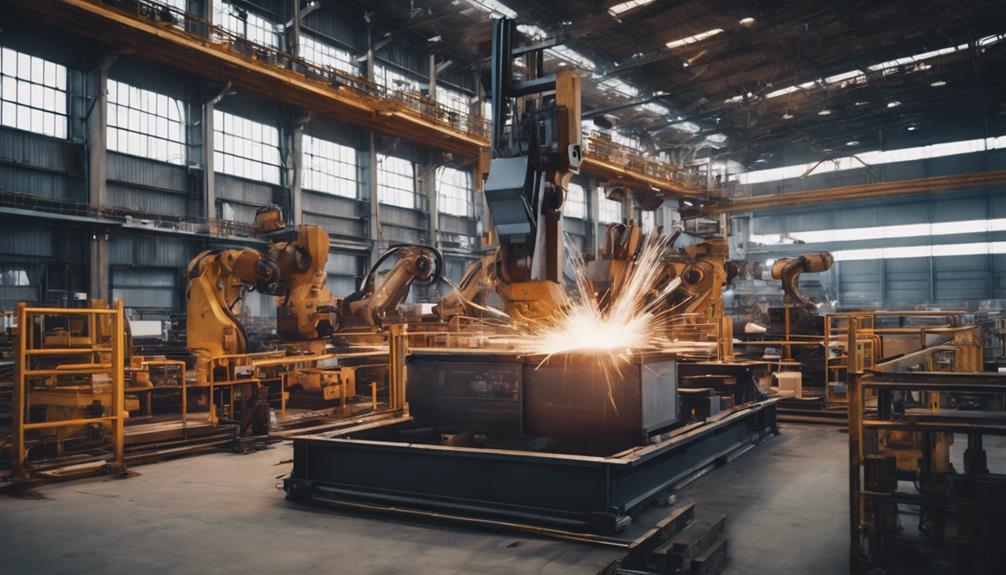
Industrial steel fabrication revolutionizes the manufacturing industry with robotics and advanced technologies enhancing efficiency and precision. Automated stations optimize production, reduce human errors, and enhance productivity. Additive manufacturing enables intricate designs and customization, reducing material waste. Advanced materials elevate product performance and durability. Green practices minimize environmental impact, while digital integration leads to smarter operations with IoT and AI. This transformation in steel fabrication drives innovation, sustainability, and competitiveness in the manufacturing industry. Discover more about the cutting-edge advancements shaping the future of industrial steel fabrication.
Key Takeaways
- Robotics streamline steel fabrication processes, enhancing efficiency and precision.
- Additive manufacturing enables complex designs and reduces material waste.
- Advanced materials improve product performance and sustainability.
- Green practices in steel manufacturing promote eco-friendly methods.
- Digital integration with IoT and AI optimizes operations for increased competitiveness.
Automation in Steel Fabrication
Automation has revolutionized the steel fabrication industry by integrating robotics and advanced technologies to enhance efficiency and precision in production processes. Robotics play an essential role in steel fabrication, improving productivity and precision while reducing the occurrence of human errors in tasks such as welding, cutting, and assembling. Automated stations, including bending machines, are instrumental in optimizing production by minimizing downtime, enhancing accuracy, and increasing adaptability to different production requirements.
Moreover, the utilization of AI-guided lasers in steel fabrication has proven to be beneficial. These lasers help in reducing gas consumption, enhancing productivity levels, and contributing immensely to the overall efficiency of the manufacturing processes. The integration of smart processes in automated stations further enhances efficiency, accuracy, and safety in steel fabrication. As a result, these advancements in automation technologies are driving significant progress in the steel fabrication industry, leading to improved production processes and higher quality outputs.
Robotics and Efficiency Boost
The integration of robotics into industrial steel fabrication processes not only enhances efficiency but also drives substantial improvements in productivity and quality within the manufacturing sector.
By automating tasks such as welding, cutting, and assembling, robotics play an essential role in streamlining operations in steel fabrication. Automated processes greatly reduce production time and labor costs while ensuring precision and consistency in fabricating even the most complex steel components.
This, in turn, leads to higher productivity rates and an overall enhancement in the quality of manufactured goods. The efficiency boost brought about by robotics in steel fabrication results in increased output capacity, providing companies with a competitive edge in the industry.
As robotics continue to advance and become more sophisticated, the manufacturing sector can expect further optimization of processes, ultimately revolutionizing the way industrial steel fabrication is approached.
Additive Manufacturing Innovations
Additive manufacturing advancements in the steel fabrication industry have revolutionized the production of intricate metal components through layer-by-layer construction. Also known as 3D printing, this technology enables the creation of complex designs that were previously unattainable with traditional fabrication methods.
By utilizing additive manufacturing for metal components, manufacturers benefit from increased design flexibility and customization options. This innovative approach is particularly important for producing prototypes, tooling, and unique parts, as it reduces material waste compared to subtractive manufacturing processes.
The application of 3D printing in steel fabrication drives innovation within the sector, allowing for the development of highly detailed and customized metal products. These advancements not only enhance efficiency and speed up production but also enable the creation of intricate metal structures with unparalleled precision.
As additive manufacturing continues to evolve, it plays a significant role in shaping the future of steel fabrication processes.
Advanced Materials in Fabrication
Utilizing advanced materials in steel fabrication processes elevates product performance and durability, setting new standards for the manufacturing industry.
Industrial metal fabrication has seen a significant shift towards incorporating advanced materials such as high-strength alloys and composites. These materials offer superior corrosion resistance, increased durability, and enhanced design flexibility for innovative solutions.
By employing advanced materials in the steel fabrication process, manufacturers can guarantee longer product lifespans and create components that are both stronger and lighter. This not only reduces fuel consumption but also enhances product durability, making them ideal for various applications.
The reliable strength-to-weight ratios of these advanced materials further contribute to the efficiency, performance, and sustainability of industrial metal fabrication.
Green Practices in Steel Manufacturing
With a growing emphasis on sustainability and environmental consciousness, the steel manufacturing industry is increasingly shifting towards implementing green practices to reduce its carbon footprint and promote eco-friendly production methods.
Green practices in steel manufacturing focus on minimizing environmental impact by incorporating recycled materials and energy-efficient processes. Initiatives in steel fabrication that prioritize eco-friendliness are propelling innovation within the industry towards more sustainable practices.
Minimizing waste through precise fabrication techniques stands as a central objective in green steel manufacturing, aligning with global efforts to reduce carbon footprint and promote eco-conscious production methods. Sustainability in steel fabrication is not only an environmental necessity but also a strategic business approach to meet evolving consumer demands.
Digital Integration for Smarter Operations
Digital integration technologies such as IoT, AI, and machine learning are revolutionizing Industrial Steel Fabrication, leading to smarter and more efficient operations. By leveraging these advanced technologies, smart fabrication facilities can tap into real-time data for predictive maintenance and quality control purposes.
The integration of IoT and AI enables steel manufacturers to optimize their production processes, ensuring heightened efficiency and precision in every step of fabrication. These digital tools also contribute to making operations leaner and more responsive, ultimately enhancing the overall productivity and competitiveness of the manufacturing industry.
In a sector where precision and timeliness are paramount, the implementation of digital integration stands out as an essential factor in staying ahead. As technology continues to advance, the seamless integration of digital tools will likely become the norm rather than the exception in the domain of industrial steel fabrication.
Frequently Asked Questions
What Is the Future of the Metal Fabrication Industry?
The future of the metal fabrication industry is evolving through technology, sustainability, and innovation, with a focus on automation, advanced materials, and digital tools. These advancements enhance efficiency, durability, and environmental responsibility, shaping a dynamic and progressive industry landscape.
How Is Fabrication Related to Manufacturing?
Fabrication in manufacturing involves processes like cutting, bending, and assembling raw materials to create finished products or components. It guarantees precision and accuracy, meeting specific design requirements through stages such as design, cutting, forming, assembly, and finishing.
Is Steel Fabrication Considered Manufacturing?
Certainly, steel fabrication is unquestionably considered a pivotal aspect of the manufacturing industry. It involves the intricate process of transforming raw steel materials into finished goods through cutting, bending, and assembling, showcasing its significance in production processes.
How Is AI Changing the Metal Fabrication Industry?
Artificial Intelligence is revolutionizing the metal fabrication industry by enabling predictive maintenance, automating processes with machine learning algorithms, utilizing AI-guided lasers for efficiency, integrating robotics for productivity, and ensuring high-quality products through advanced technologies.
Conclusion
Overall, the industrial steel fabrication industry is experiencing a significant revolution through the implementation of automation, robotics, additive manufacturing, advanced materials, green practices, and digital integration.
These advancements are leading to increased efficiency, precision, and sustainability in manufacturing processes.
As technology continues to evolve, the future of steel fabrication looks promising with continued innovations driving the industry forward.
by Abdullah | May 17, 2024 | Storage Tanks
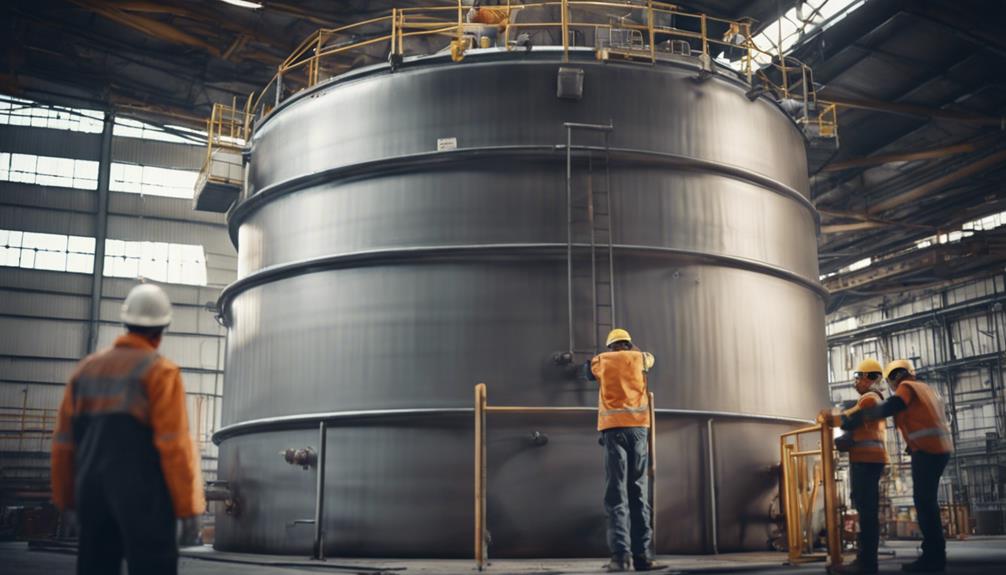
Enhance industrial efficiency and safety with durable steel storage tanks. These tanks offer unparalleled reliability and longevity, making them a cost-effective choice for businesses. Consider your industrial requirements, storage capacity, and substance compatibility before purchasing. Adhere to proper installation techniques and maintenance to guarantee safety and longevity. Steel tanks meet stringent safety measures, industry standards, and environmental regulations, minimizing risks and enhancing efficiency. Discover how innovative insulation and temperature control solutions optimize operational processes. Explore customization options to meet diverse industry needs effectively. Comparative advantages of steel tanks showcase their durability and versatility. Exciting future innovations in steel tank technology revolutionize industrial storage solutions for enhanced performance.
Key Takeaways
- Stainless steel tanks ensure unparalleled durability and reliability.
- Enhance safety with meticulous manufacturing processes.
- Boost efficiency by customizing tanks to meet industry needs.
- Insulation options optimize temperature control for stored liquids.
- Comply with standards to ensure safety and operational efficiency.
Benefits of Steel Storage Tanks
Steel storage tanks stand out as a superior choice due to their unparalleled durability and reliability, surpassing the performance of plastic or fiberglass alternatives. Steel Tank Manufacturers utilize a meticulous water tank manufacturing process to guarantee the highest quality standards are met.
These tanks are not only robust but also versatile, making them ideal for various applications, including storing water, chemicals, and petroleum products. Industries such as cargo terminals benefit greatly from the use of steel tanks due to their strength and ability to withstand harsh environments.
The structural integrity of steel tanks guarantees the safety of stored liquids, reducing the risk of leaks and spills that could lead to accidents or environmental hazards. Additionally, their long lifespan and minimal maintenance requirements make them a cost-effective choice for businesses looking to invest in reliable storage solutions that prioritize efficiency and safety.
Considerations Before Purchasing
Before investing in a steel storage tank, thorough evaluation of your industrial requirements and environmental conditions is essential to guarantee peak functionality and longevity.
When considering the purchase of a steel storage tank for industry, it is important to assess the storage capacity needed for your specific operations, making sure that the tank can effectively meet your requirements.
Additionally, evaluating the environmental conditions where the tank will be situated is crucial in selecting a steel tank that can withstand corrosive substances and harsh weather conditions. It is important to factor in the type of liquid to be stored to determine compatibility with the steel tank and ensure the integrity of the stored substance.
Reviewing the available installation space is also key to choosing a suitable steel tank that fits the designated area and allows for efficient operation.
Moreover, reviewing the safety features and compliance standards of the steel tank from a reputable water tank manufacturing company is necessary to ensure regulatory requirements are met and risks in your industry are minimized.
Installation and Maintenance Tips
To guarantee the longevity and peak performance of steel storage tanks, it is essential to adhere to proper installation techniques and maintenance routines. Regular inspections and maintenance schedules play a vital role in ensuring the best functioning and durability of these tanks. Proper installation practices, such as thorough foundation preparation and secure anchoring, are fundamental for maintaining stability and safety.
Following the manufacturer’s guidelines for maintenance procedures and schedules is important in preventing potential issues and ensuring compliance with industry standards. Implementing corrosion prevention measures, like coatings and cathodic protection systems, can greatly extend the lifespan of steel storage tanks. These measures are essential for preserving the structural integrity of the tanks and preventing leaks or other potential hazards.
Moreover, providing thorough training to personnel on safety protocols, leak detection methods, and emergency response procedures is key to maintaining a secure environment around steel storage tanks. By prioritizing installation best practices and implementing regular maintenance routines, industries can optimize the efficiency and safety of their steel storage tank systems.
Safety Measures and Compliance Standards
Upholding stringent safety measures and compliance standards is vital in the design and operation of steel storage tanks. Steel storage tanks are meticulously engineered to meet industry standards and regulatory requirements, prioritizing safety and environmental protection. By minimizing the risk of leaks, spills, and accidents, these tanks offer a secure and reliable storage solution for various industries.
The safety measures integrated into steel tanks play an essential role in mitigating potential risks and safeguarding the environment from harm. Compliance with environmental and safety regulations is a fundamental feature of steel storage tanks, ensuring that operations adhere to legal requirements and best practices. Additionally, the hygienic and sterile environment provided by steel tanks not only enhances operational efficiency but also upholds safety standards in industrial processes. Overall, steel storage tanks are designed to promote safety, compliance, and environmental protection, making them a preferred choice for many industries.
Environmental Impact and Sustainability
In the domain of steel storage tanks, the environmental impact and sustainability of stainless steel tanks are significant aspects that highlight their importance in modern industrial applications. Stainless steel tanks are made from 60% recycled material, contributing to environmental sustainability. The production processes of these tanks incorporate advanced techniques that not only guarantee durability and safety but also enhance sustainability. Additionally, stainless steel tanks maintain a fresh and visually appealing look even after years of use, which promotes a positive environmental impact by reducing the need for frequent replacements.
In addition, stainless steel tanks offer longevity and versatility in various industries due to their resistance to weather conditions, UV rays, and extreme temperatures. This durability reduces the frequency of replacements, further minimizing the environmental impact. Moreover, these tanks prevent issues like calcium leaching and mold growth, ensuring water hygiene and preventing contamination effectively. Overall, the environmental benefits and sustainable features of stainless steel tanks make them a reliable and eco-friendly choice for industrial storage needs.
Enhancing Efficiency With Steel Tanks
Enhancing efficiency through the use of steel tanks provides industrial operations with a durable and reliable storage solution that surpasses alternative materials. Steel tanks offer superior strength and longevity, outlasting plastic and fiberglass tanks in industrial settings. Their customizable nature in size, shape, and features enables them to efficiently meet diverse storage needs, ensuring ideal utilization of available space. The minimized risk of leaks and spills associated with steel storage tanks enhances operational safety and reliability, essential for industries handling hazardous materials.
Moreover, the minimal maintenance requirements of steel tanks over their lifespan translate to lower operational costs and long-term savings for businesses. The hygienic and sterile environment steel tanks provide is particularly beneficial for industries involved in UHT processing, safeguarding the safety and quality of liquid products stored within them. By choosing steel tanks, industries can streamline their operations, reduce downtime, and enhance overall efficiency while maintaining a secure and sustainable storage solution.
Insulation and Heat Transfer Solutions
Implementing innovative insulation techniques in stainless steel tanks maximizes heat transfer efficiency, guaranteeing precise temperature control for a variety of industrial applications. Double-walled stainless steel tanks are particularly effective in this regard, offering superior insulation properties that help reduce energy costs by preventing water from freezing in cold environments.
The insulated layers within these tanks play a vital role in maintaining ideal temperatures for stored liquids, safeguarding product integrity and quality throughout the storage period. Industries requiring precise thermal management find stainless steel tanks with insulation to be ideal, as they facilitate efficient temperature control. By minimizing heat transfer, these tanks preserve the temperature of sensitive liquids, contributing to enhanced operational efficiency.
The reliable solution provided by insulated stainless steel tanks ensures consistent temperature maintenance, thereby optimizing production processes and meeting the stringent requirements of various industrial settings.
Customization Options for Your Industry
Steel storage tanks offer a range of customization options tailored to meet the specific requirements of various industries efficiently. These customization options include the ability to adjust the size, shape, and additional features such as insulation to cater to different industry storage needs effectively.
Whether storing water, chemicals, or petroleum products, the flexibility in customization guarantees that the integrity and performance of the substances remain intact. The adaptability of steel tanks to diverse industrial applications provides a versatile solution for storage requirements.
Additionally, the design of steel tanks can be optimized to handle heavy loads, ensuring durability and reliability in industrial operations. Compared to other materials, customizable steel tanks stand out due to their superior strength and longevity, making them the preferred choice for long-term storage needs in a wide range of industries.
The customization options available for steel storage tanks make them a versatile and reliable storage solution for various industrial applications.
Comparing Steel Tanks to Other Materials
When evaluating storage tank options for industrial applications, it is vital to contemplate the comparative advantages of steel tanks over alternative materials. Steel tanks offer superior durability and reliability compared to plastic or fiberglass tanks. This is due to their high-quality materials and construction, making them ideal for long-term industrial storage needs. Steel tanks excel in withstanding harsh environmental conditions and corrosive substances effectively.
Moreover, steel tanks are versatile in storing various liquids such as water, chemicals, and petroleum products while maintaining integrity and performance with different substances. Their customization options in size, shape, and features like insulation make them adaptable for diverse industrial applications. Additionally, steel storage tanks are designed to meet industry standards and regulatory requirements. This minimizes the risk of leaks, spills, and accidents, ensuring safety and compliance in industrial settings.
Future Innovations in Steel Tank Technology
Advancements in steel tank technology are revolutionizing industrial storage solutions through innovative coatings and smart monitoring systems. The use of advanced coatings, such as epoxy linings, enhances the corrosion resistance of steel tanks, ensuring longevity and durability. Additionally, the incorporation of smart technology allows for real-time monitoring and maintenance alerts, enabling proactive measures to be taken promptly.
Future innovations in steel tank technology also include the integration of IoT sensors for predictive maintenance and performance optimization. By leveraging data analytics and connectivity, operators can anticipate maintenance needs and optimize the tank’s efficiency. Furthermore, the development of self-healing materials presents a promising solution to repair minor damages autonomously, thereby extending the tank’s lifespan and reducing maintenance costs.
Furthermore, the implementation of automation in steel tanks streamlines filling, draining, and cleaning processes, enhancing operational efficiency and safety. These advancements signify a shift towards more intelligent and efficient industrial storage solutions, setting new standards for the future of steel tank technology.
Frequently Asked Questions
What Are the Benefits of a Steel Tank?
Steel tanks provide unparalleled durability, reliability, and versatility for storing liquids like water, chemicals, and petroleum. They guarantee safety and compliance, minimize risks of leaks, and offer cost-effectiveness through low maintenance requirements, meeting industry standards and regulations.
What Are the Safety Measures for Storage Tanks?
Implement regular inspections, maintenance, safety protocols, and training for workers to guarantee storage tank safety. Utilize warning signs, labels, and a thorough safety plan to mitigate hazards and enhance workplace safety and regulatory compliance.
What Is the Purpose of Storage Tanks?
Storage tanks serve to securely store various liquids, including water, chemicals, and petroleum products in industrial settings. They help maintain product integrity, extend shelf life, and facilitate efficient distribution. These tanks play a crucial role in enhancing production processes and ensuring substance preservation.
What Are Steel Tanks Used For?
Steel tanks are utilized across industries for storing liquids such as water, chemicals, and petroleum products. Offering superior strength, durability, and customization options, these tanks guarantee efficient long-term storage, handling heavy loads effectively while minimizing risks.
Conclusion
To sum up, steel storage tanks offer numerous benefits for industries when it comes to efficiency, safety, and sustainability.
It is crucial to carefully consider factors such as installation, maintenance, safety measures, and compliance standards before purchasing a steel tank.
With advancements in technology, customization options, and insulation solutions, steel tanks continue to be a reliable choice for storing various liquids and materials in a cost-effective and environmentally friendly manner.
by Abdullah | May 17, 2024 | Steel Fabrication, Steel Products, Storage Tanks
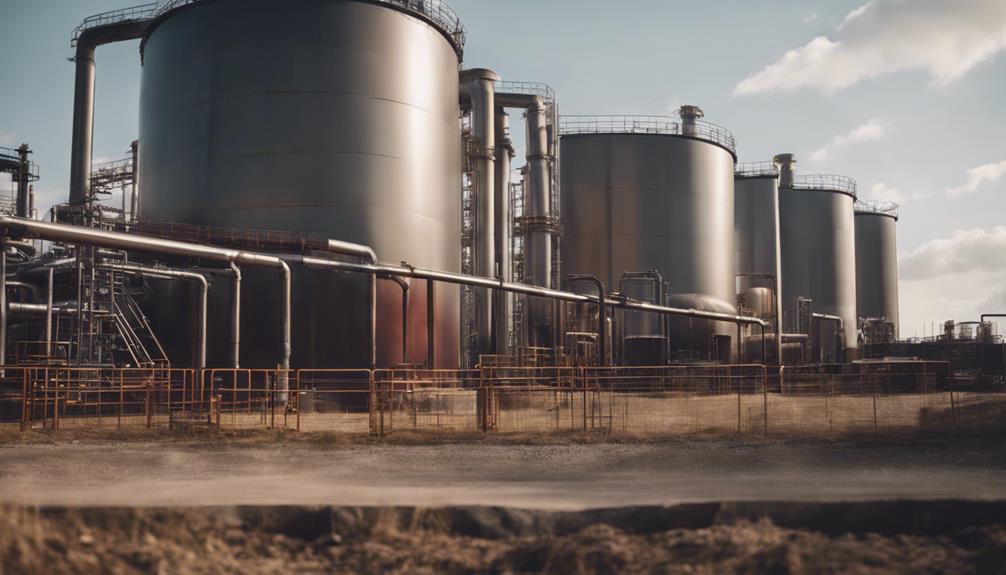
Steel storage tanks excel in industrial storage for their unmatched durability, corrosion resistance, and ability to withstand harsh conditions. They offer versatility across various sectors by safely storing water, chemicals, grains, oil, and gas. With minimal maintenance needs and a long lifespan, steel tanks are a cost-effective solution with a high return on investment. These eco-friendly tanks meet industry regulations, ensuring safe storage of materials. Their reliability and compliance make them the preferred choice. Explore further to discover the extensive benefits steel storage tanks provide for industrial storage.
Key Takeaways
- Steel tanks offer unmatched durability and longevity.
- Highly resistant to corrosion, ensuring long-term performance.
- Superior performance in harsh environments, maintaining water safety.
- Versatile for various industrial needs like storing water, chemicals, and oil.
- Cost-effective with a high return on investment and minimal maintenance requirements.
Durability and Longevity
Steel’s renowned resilience and resistance to corrosion make it an ideal material for guaranteeing the longevity and durability of industrial storage tanks. When it comes to storing various liquids or gases, steel storage tanks, including stainless steel storage tanks, stand out for their exceptional durability. These tanks are specifically designed and constructed to withstand the test of time, providing a reliable and long-lasting storage solution for industrial applications. The durability of steel storage tanks guarantees that they can endure harsh conditions, maintain structural integrity, and resist corrosion, making them a superior choice for long-term storage needs in industrial settings.
Investing in steel storage tanks guarantees not only exceptional durability but also longevity, offering a sound and reliable storage solution for businesses. Prefabricated steel tanks, known for their strength and corrosion resistance, are a wise investment for industries looking for a dependable storage option that can withstand the rigors of continuous use. Overall, the durability of steel storage tanks makes them a preferred choice for meeting industrial storage requirements efficiently and effectively.
Resistance to Corrosion
With its exceptional resistance to corrosion, stainless steel storage tanks offer unmatched durability and reliability for industrial storage applications. Stainless steel tanks are highly resistant to corrosion, ensuring long-term performance and minimal maintenance costs.
Unlike other materials, stainless steel does not rust or corrode, making it a superior choice for storing various liquids, including water. The corrosion-resistant nature of stainless steel helps prevent degradation, maintaining water quality over time and reducing the risk of contamination.
This resistance to corrosion is a key factor in why steel water tanks are preferred for industrial storage needs, guaranteeing a safe and reliable storage solution.
While the initial stainless steel tank price may be higher than other options, the long-term cost-effectiveness and durability make stainless steel tanks a wise investment for industrial applications, where performance and reliability are paramount.
Superior Performance in Harsh Conditions
Stainless steel storage tanks demonstrate exceptional durability and resilience in harsh conditions, ensuring reliable performance and protection for industrial storage requirements. Their ability to excel in challenging environments sets them apart from traditional tanks made of plastic or concrete.
Steel storage tanks offer unparalleled longevity, outlasting other materials and maintaining water safety and quality over time. The superior performance of steel tanks in harsh conditions makes them a wise long-term investment for industrial applications where reliability is paramount. These tanks provide secure protection for stored materials, ensuring excellent performance in demanding settings.
With their resistance to corrosion and degradation, steel storage tanks stand as a robust solution for industrial storage needs, offering a combination of strength and durability that is essential for safeguarding valuable resources and maintaining operational efficiency in the face of harsh conditions.
Versatility in Industrial Applications
Demonstrating guarantee across diverse industrial sectors, steel storage tanks serve as versatile solutions for a wide array of storage requirements. These tanks are utilized for various industrial applications, from storing drinking water and rainwater to chemicals, grains, and oil and gas.
Their ability to withstand extreme temperatures and compatibility with different water treatment methods make them suitable for a broad range of storage needs. The robust construction of steel tanks guarantees reliable water storage in diverse industrial contexts while upholding quality and safety standards.
Additionally, the customization options available with steel tanks enable tailoring to specific industrial requirements, making them a highly flexible solution for different storage needs. Overall, steel tanks provide a cost-effective and durable storage solution for industrial applications, offering long-term reliability and performance across a multitude of industries.
Cost-Effectiveness and ROI
Steel storage tanks demonstrate exceptional cost-effectiveness and a high return on investment due to their long lifespan and minimal maintenance requirements. The initial investment in a steel tank is offset by its durability, which greatly reduces the need for frequent repairs or replacements. This reliability guarantees that the long-term cost of ownership is lower compared to other storage tank materials.
Steel tanks offer a superior cost-to-benefit ratio over time, making them a financially sound choice for industrial storage needs. Additionally, the resistance of steel tanks to corrosion and wear further enhances their return on investment by reducing operational costs associated with maintenance and potential leaks.
Eco-Friendly and Sustainable Solution
An environmentally conscious choice for industrial storage solutions, steel tanks offer a sustainable and eco-friendly option for businesses aiming to reduce their carbon footprint and uphold responsible practices.
Stainless steel, a primary material used in these tanks, is highly sustainable and recyclable, greatly minimizing environmental impact compared to plastics.
The recyclability of steel tanks is remarkable, as they can be recycled indefinitely without any loss in quality, making a positive contribution to environmental preservation efforts.
Easy Maintenance and Long-Term Reliability
Ensuring operational efficiency and durability, steel storage tanks boast minimal maintenance requirements and long-term reliability in industrial settings. Their durable and corrosion-resistant nature reduces the need for frequent upkeep, making them a cost-effective choice for storage solutions.
Steel tanks are known for their long-term reliability, providing consistent performance over many years without compromising quality. Not only do they offer reliability, but they also help save on operational expenses due to their lower maintenance costs compared to tanks made from other materials.
The robust construction of steel tanks greatly decreases the risk of leaks or failures, ensuring the safety of stored materials. This easy upkeep and dependable performance make steel storage tanks a preferred choice for various industrial storage needs where reliability and low maintenance are key considerations.
Compliance With Industry Regulations
In alignment with stringent industry standards, steel storage tanks demonstrate adherence to regulatory requirements for the safe containment and handling of various materials.
These tanks comply with industry regulations, such as API standards, guaranteeing the safe storage of petroleum products and meeting specific criteria for environmental protection, fire safety, and structural integrity.
By complying with regulations, steel tanks are designed to prevent leaks, spills, and contamination, thereby meeting strict industry standards and minimizing risks associated with hazardous materials.
The adherence to these regulations not only ensures operational safety but also plays a significant role in protecting the environment from potential harm.
Compliance with industry regulations is integral to the safe handling, storage, and transportation of materials, highlighting steel storage tanks as a reliable and secure solution for industrial storage needs.
Frequently Asked Questions
What Are the Benefits of Steel Tanks?
Steel tanks provide durability, water purity, hygiene, eco-friendliness, and versatility. Their resistance to corrosion, rust, and degradation guarantees long-term reliability. With a smooth surface, they are easy to clean and maintain, thereby preventing bacterial growth.
Why Steel Tanks Are Used for Storage of Hot Water?
Steel tanks are chosen for storing hot water due to their durability, resistance to corrosion, and non-reactive nature. They maintain water purity, do not leach harmful chemicals, are easy to clean, and guarantee a continuous, safe supply.
Which Is Better Plastic Tank or Steel Tank?
When comparing plastic tanks to steel tanks, steel tanks surpass in durability, purity, hygiene, sustainability, and versatility. Steel tanks resist corrosion, do not leach chemicals, are easy to clean, recyclable, and provide reliable water storage solutions for various applications.
What Are Industrial Storage Tanks Used For?
Industrial storage tanks are vital for safely storing substances like water, chemicals, oils, and grains in various industries such as agriculture, manufacturing, oil and gas, and water treatment facilities. They guarantee a reliable supply of essential materials for industrial processes.
Conclusion
To sum up, steel storage tanks offer superior durability, resistance to corrosion, and performance in harsh conditions, making them the best solution for industrial storage needs.
Their versatility, cost-effectiveness, and eco-friendly nature further enhance their appeal in various industrial applications.
With easy maintenance and long-term reliability, Steel Storage Tanks also guarantee compliance with industry regulations, providing a sustainable and reliable storage solution for businesses.
by Abdullah | May 15, 2024 | Steel Structure
When selecting reliable steel structure manufacturers, look into their industry experience, past projects, reputation, and client feedback. Assess their equipment, production processes, and commitment to quality. Prioritize effective communication and customer service throughout the project. Compare costs from different manufacturers while ensuring quality isn’t compromised. Achieving the right balance between quality and affordability is key. Further details on each aspect can provide valuable insights to help you make an informed decision.
Key Takeaways
- Evaluate supplier’s industry experience, reputation, and past projects.
- Assess equipment, technology, and adherence to quality control measures.
- Prioritize excellent customer service and clear communication.
- Compare quotations for cost-effectiveness without compromising quality.
- Consider client history, credibility, and service quality for the best value.
Supplier’s Industry Background
When evaluating potential steel structure manufacturers, examining the supplier’s industry background is essential to ensuring quality and reliability in the production process. A vital aspect to ponder is the supplier’s industry experience, as this indicates their familiarity with steel structure manufacturing processes.
Longevity in the industry is a significant factor, as it signifies stability and reliability in delivering quality products. By reviewing past projects completed by the steel structure manufacturer, one can gain insight into their expertise and capabilities in producing steel structures.
Additionally, investigating the reputation of the supplier is essential when selecting a manufacturer for a project, as a positive reputation indicates trustworthiness and quality. Checking the About Us page of the supplier’s website can provide detailed information on their background and history in the industry, offering valuable insights into their ethos and commitment to producing high-quality steel structures.
Client History Assessment
Evaluating the client history of potential steel structure manufacturers is essential in determining their track record of delivering quality projects and client satisfaction. When evaluating a manufacturer, examine their reputation and credibility within the steel structure industry.
Investigate past client projects to gauge the quality of work and the level of satisfaction achieved. It is important to verify the types of steel frames supplied to clients to confirm compatibility with your project needs.
Take into account the service quality based on the client history and feedback from previous projects. A manufacturer’s experience with specific types of steel frames required for your project is also an essential aspect to take into consideration during the client history assessment.
Equipment and Process Evaluation
During the assessment of steel structure manufacturers, it is important to thoroughly evaluate the equipment and processes employed by the manufacturer to guarantee efficient metal fabrication and adherence to quality standards. When considering a structural design company for your project, assess the types of steel frames they produce to make sure they align with your project requirements.
Additionally, verify if the manufacturer utilizes updated equipment and technology in their fabrication processes to enhance efficiency. It is essential to check for a balance between manual labor and automated machines in their production process to achieve best results.
Confirm that the manufacturer follows strict quality control measures to uphold the durability and safety of the steel structures they produce. Finally, evaluate the manufacturer’s commitment to continuous improvement in their equipment, processes, and adherence to quality standards to ensure reliable steel structure production for your project.
Customer Service Priority
To ensure a seamless experience in working with steel structure manufacturers, prioritizing clear and effective communication with clients is essential. Customer service plays a vital role in ensuring that projects run smoothly from inception to completion.
When selecting a steel structure manufacturer, prioritize those that emphasize customer service by providing designated points of contact for inquiries and updates. Manufacturers who are responsive and readily available for customer service inquiries can address issues promptly, enhancing the overall project experience.
It is also beneficial to choose manufacturers who offer regular project status updates, keeping clients informed and engaged throughout the process. Reputation matters, so opt for manufacturers known for their excellent customer service and unwavering support.
Cost-Effectiveness Comparison
When selecting a steel structure manufacturer, an important aspect to consider is comparing the cost-effectiveness of quotations obtained from multiple manufacturers. Requesting quotations from various steel structure manufacturers allows for an effective comparison of steel structure costs. It is vital to make sure that the cost aligns with your budget constraints and project requirements.
While it may be tempting to opt for the lowest price available, it is important to avoid compromising quality when choosing a steel structure manufacturer. Balancing cost and quality is key in achieving the best value for your project. By comparing prices, you gain an understanding of the average range in the market for cost-effectiveness. This analysis equips you with the knowledge needed to make an informed decision that not only fits your budget but also guarantees the quality and durability of the steel structure for your project.
Frequently Asked Questions
How to Check Structural Steel?
To check structural steel, conduct visual inspections and various tests like ultrasonic, magnetic particle, and dye penetrant testing. Look for consistent dimensions, smooth surfaces, and absence of cracks or deformities to guarantee quality.
How to Manufacture Structural Steel?
Structural steel is manufactured through a process involving melting iron ore, adding carbon, and shaping the molten steel into beams, columns, and trusses. Precision cutting, drilling, and welding are done using CNC machines for fabrication.
What Are the Tests Required for Steel Structure?
Non-Destructive Testing (NDT) methods such as ultrasonic, radiographic testing, visual inspection, tensile, Charpy impact, and hardness testing are essential for evaluating weld quality, structural integrity, strength, toughness, and durability of steel structures.
Who Designs Steel Structures?
Structural engineers and architects collaborate to design steel structures. This process includes creating detailed plans, drawings, and specifications using advanced software. They ascertain load-bearing capacities, material specifications, and guarantee structural integrity to meet all requirements and standards.
Conclusion
To sum up, when looking for trustworthy Steel Structure Manufacturers for a project, it is crucial to thoroughly assess the supplier’s industry background, client history, equipment, and process capabilities, customer service quality, and cost-effectiveness.
By prioritizing these factors, one can guarantee a successful and efficient collaboration with a manufacturer that meets the project requirements and delivers high-quality results.