

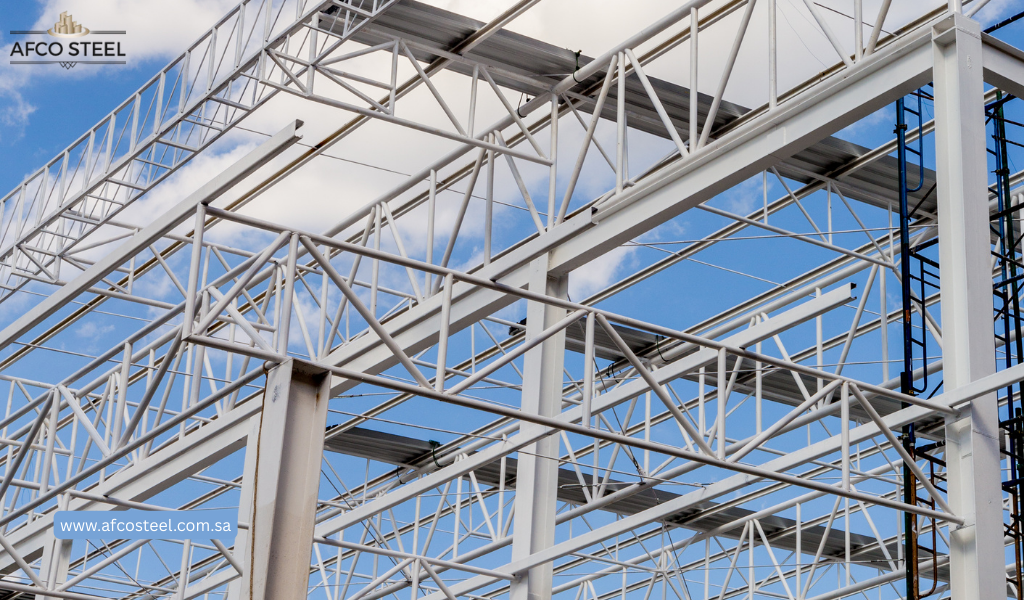
In contemporary construction, sustainability is no longer a fad. It is a responsibility. The ideal material has low environmental impact, long-term performance, and is now the choice of builders, architects, and developers. One material that fits both of these goals is structural steel.
From commercial towers to industrial facilities, structural steel creates strong, flexible, and sustainable buildings. Steel remains one of the most sustainable builder solutions in the world as construction standards improve and develop.
Why Structural Steel Supports Sustainable Construction?
One of the notable properties of structural steel is its high strength-to-weight ratio That allows buildings to be constructed with less substance while maintaining soundness. Less raw material means less resource consumption, reduced transport needs, and lower project waste overall.
Another key advantage is recyclability. Structural steel is a material which can be recycled over and over again without loss of quality. Most today steel structures already include recycled content, good in itself from a sustainability perspective.
Steel also supports energy-efficient designs. Big wide spans make it easy for architects to maximize natural lighting and ventilation, decreasing the demand on artificial energy systems during the life of the building.
Structural Steel Fabrication and Environmental Efficiency
Over the years, technology has played an important role in manufacturing and the process of structural steel fabrication has become fast and more accurate. The advance in fabrication processes significantly reduce material wastage and enhance the precision of prefabricated parts, thus minimizing the on-site installation time and errors.
With less need for cutting and rework, climate-controlled manufacturing environments produce pre-engineered components in steel. The process is perfect and thus takes less time and costs less and also reduces the environmental footprint of the whole of the construction project.
With an experienced structural steel company in charge of fabrication, plans can be made to reduce delays and improve sustainability outcomes.
Types of Structural Steel Used in Sustainable Buildings
Knowing what type of structural steel is needed can help developers select the best structural steel solution for long-term results. Common categories are such as carbon steel, high-strength low-alloy steel, and weathering steel.
Each type has a purpose in regard to load, exposure, and design flexibility. Choosing the right type of steel enhances durability and decreases maintenance requirements, which aids in the promotion of sustainable building goals.
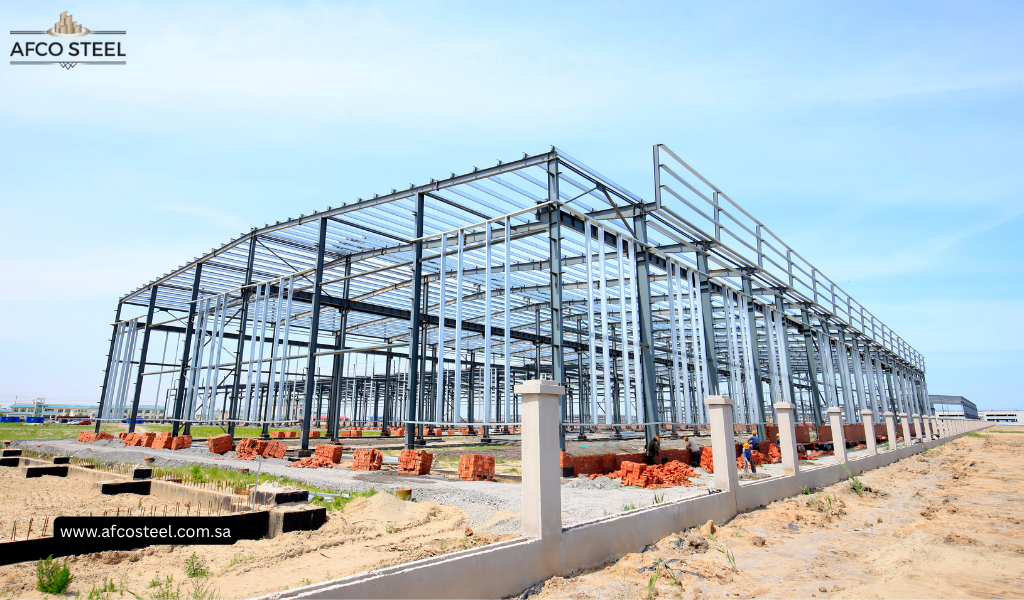
The Growing Saudi Arabia Structural Steel Market
The Saudi Arabia structural steel market is expanding rapidly due to large-scale infrastructure, industrial, and commercial development projects. Sustainability initiatives under national development programs have increased the demand for durable and efficient construction materials.
Steel structures are increasingly preferred for airports, warehouses, factories, and high-rise buildings because they align with modern sustainability and safety standards. This growth has also raised expectations for quality, compliance, and innovation within the industry.
Choosing the Right Structural Steel Suppliers in Saudi Arabia
To make sure that your project becomes successful across the board, it is crucial to be worked with reliable structural steel suppliers in Saudi Arabia. One thing that only a trusted supplier can provide you is stable material quality, compliance with international standards, and timely delivery.
Apart from a wide range of steel products, an experienced supplier can provide technical support which helps customers pick the best steel grades and fabrication processes. Such level of expertise not only minimizes risks but also ensures cost control and better quality of entire the project lifecycle.
For businesses that seek long-term value, hiring a friendlier corporate steel house is more of a strategic business investment than a mere purchase.
Structural Steel as a Smart Business Choice
In addition to sustainability, structural steel is also more economical. Shorter construction schedules cut labor, and durability brings down long-term maintenance. Additionally, steel buildings can be easily altered or expanded, making them incredibly durable.
Such advantages make structural steel the choice of those developers and contractors looking for optimum performance with code compliance at a cost effective, return on investment.
Conclusion
Structural steel continues to shape the future of sustainable construction. Its strength, recyclability, and adaptability make it one of the most responsible building materials available today. As demand grows within the Saudi Arabia structural steel market, choosing the right fabrication partner and supplier becomes even more important.
If your project requires reliability, efficiency, and long-term value, partnering with a trusted structural steel company can help you build smarter, faster, and more sustainably.
FAQs on Structural Steel
1. Why is structural steel considered sustainable?
Structural steel is recyclable, durable, and efficient to produce, making it environmentally responsible over a building’s entire lifecycle.
2. What industries commonly use structural steel?
Structural steel is widely used in commercial buildings, industrial facilities, warehouses, infrastructure projects, and high-rise developments.
3. How does structural steel fabrication improve project timelines?
Fabrication allows components to be manufactured off-site with precision, reducing installation time and minimizing construction delays.
4. What should I look for in structural steel suppliers in Saudi Arabia?
Look for suppliers with proven experience, quality certifications, strong logistics capabilities, and technical support services.
5. Is structural steel suitable for future building expansion?
Yes, steel structures are flexible and can be easily modified or expanded without major structural changes.