
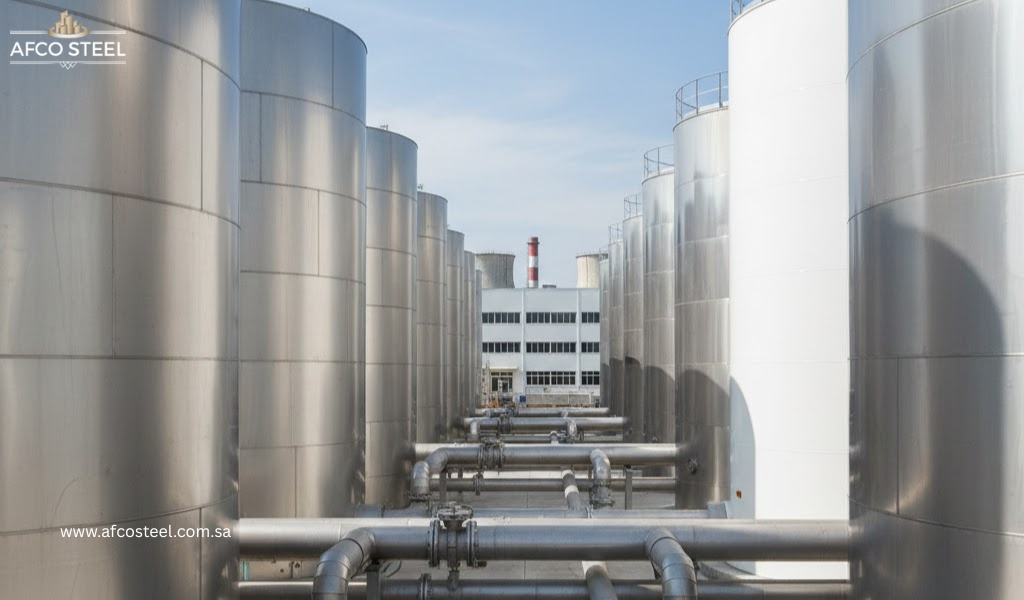
The Essential Guide to Storage Tanks | Types, Uses & Best Solutions
Why Storage Tanks Matter Today?
For many businesses, storage tanks are practical, long-term solutions for accommodating everything from water to chemicals, fuels, or any number of other bulk materials. All industries, from agriculture to manufacturing, need safe and durable storage systems. Selecting the appropriate storage vessel is not a sale — it is an investment in productivity, regulatory compliance, and sustainable dependability.
This guide takes the mystery out of storage tanks – it shows you the various types of storage tanks, materials, applications, and what to consider when comparing storage tanks manufacturers.
Understanding the Different Types of Storage Tanks
When selecting a tank, it’s important to understand the various types of storage tanks available. The most common categories include:
1. Steel Storage Tanks
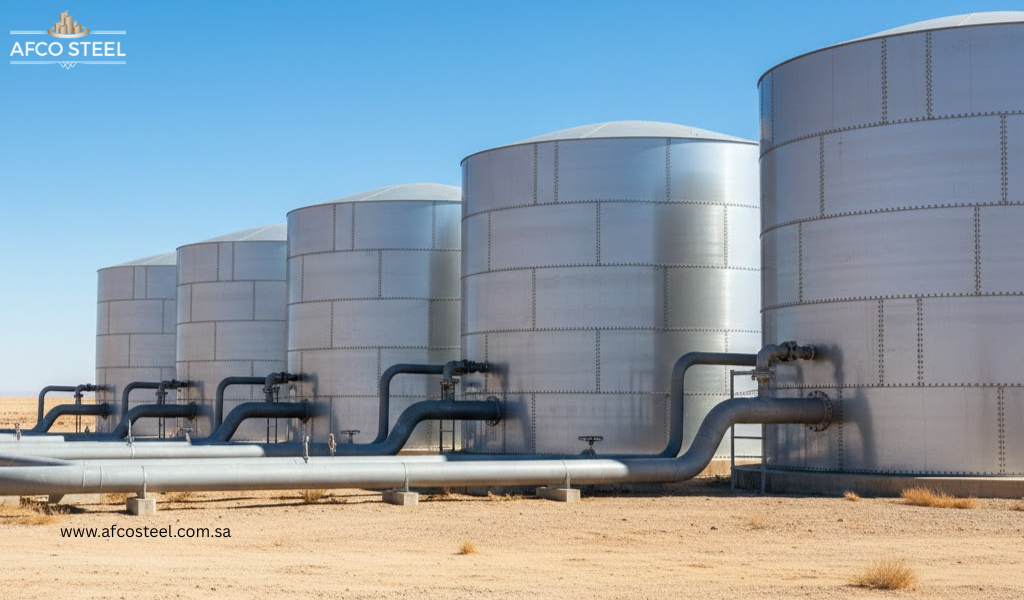
Steel storage tanks remain one of the most trusted solutions because of their incredible durability, corrosion resistance, and long service life. They’re widely used for fuel, chemicals, and industrial liquids.
2. Steel Water Storage Tanks
If your priority is potable or non-potable water, steel water storage tanks offer unmatched strength compared to plastic alternatives. They handle extreme weather, UV exposure, and high water volume without weakening.
3. Industrial Storage Tanks
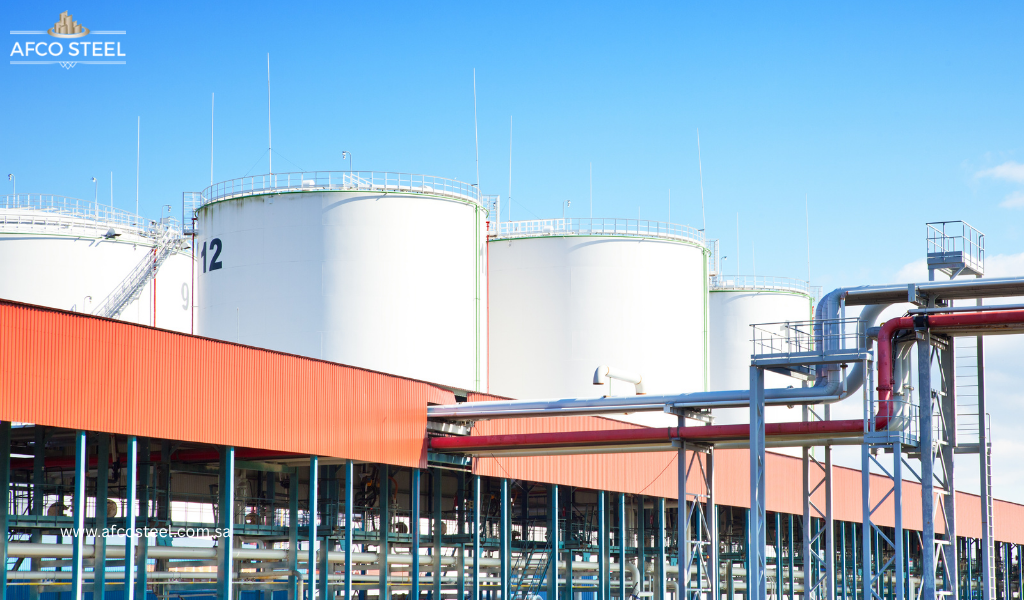
Industrial storage tanks are engineered for heavy-duty applications. Whether for chemical processing, food production, fire protection, or wastewater treatment, they meet strict safety and performance standards.
4. Bulk Storage Tanks
Bulk storage tanks are ideal for businesses storing large quantities of liquids or dry goods. They help reduce refill frequency and streamline operations, making them a cost-efficient choice for farms, factories, and construction sites.
Why Steel Storage Tanks Are a Smart Long-Term Investment?
While several materials exist—plastic, fiberglass, and concrete—steel stands out for its:
- Strength and longevity
- Low lifetime maintenance
- Fire and impact resistance
- Better environmental performance
Steel is also easier to customize, allowing manufacturers to build tanks that match your exact size, capacity, and industry needs.
If your operations depend on safety and consistent performance, steel storage tanks often deliver the best return on investment.
Also read: How Steel Water Storage Tanks Enhance Efficiency in Water Supply Systems?
How to Choose the Right Storage Tank Manufacturer?
Not all storage tank manufacturers deliver the same quality. When you’re evaluating suppliers, consider the following:
1. Experience and Industry Expertise
Choose manufacturers that specialize in the type of tank you need, whether it’s steel water storage tanks or industrial storage tanks.
2. Certifications & Compliance
Look for manufacturers that follow industry standards such as API, UL, AWWA, NSF, or ASME.
3. Customization Options
Every project is different—capacity, height, coatings, accessories, and foundation requirements should all be customizable.
4. Installation & Support
A reliable manufacturer offers installation assistance, maintenance guidance, and long-term support.
5. Proven Track Record
Customer reviews, case studies, and project photos help you judge quality and performance.
If your goal is efficiency, safety, and long-term durability, partnering with an experienced manufacturer of bulk storage tanks and steel solutions is essential.
Best Uses for Modern Storage Tanks
Today’s tanks support a wide range of industries, including:
- Agriculture (irrigation water, fertilizers, bulk feed)
- Manufacturing (chemicals, additives, wastewater)
- Construction (diesel fuel, water storage)
- Municipalities (fire protection, drinking water storage)
- Energy & Utility (oil, gas, process liquids)
With the right choice, storage tanks can help streamline operations, reduce downtime, extend equipment life, and cut operational costs.
Final Thoughts
Capacity Toward Steel Storage Tanks Industrial tanks Ready steel water storage tanks To the extent you need it of In your facility, and the surface Completely steel Storage Tanks For a tank, you want Which Goes the Think Tank Long-lasting, protection Packaged successfully, and never Stable. With this chapter in mind and by joining forces with capable storage tanks manufacturers, you can invest in a viable investment that actually safeguards your operations and fuels your growth.
With summer fast approaching, if you have a project in the works or some upgrades planned for your system, now is the time to check out some of the more exceptional high-quality tanks that are designed for efficiency and durability.
FAQs about Storage Tanks
1. What are the most common types of storage tanks?
The most common types include steel storage tanks, steel water storage tanks, industrial storage tanks, and bulk storage tanks. Each serves different industries depending on capacity, durability, and intended use.
2. How long do steel storage tanks last?
With proper coatings and routine maintenance, steel storage tanks can last 30–50 years or more. Their durability makes them a preferred long-term solution.
3. What industries use industrial storage tanks?
Industrial tanks are used in manufacturing, agriculture, water treatment, energy, food production, and construction. They store chemicals, fuels, water, and process liquids.
4. Why choose steel water storage tanks over plastic tanks?
Steel water storage tanks offer superior strength, higher temperature resistance, better fire protection, and longer lifespan, especially in demanding environments.
5. How do I select the right storage tank manufacturer?
Look for experience, certifications, customization options, installation support, and strong customer feedback. A reputable manufacturer ensures higher quality and safety.