

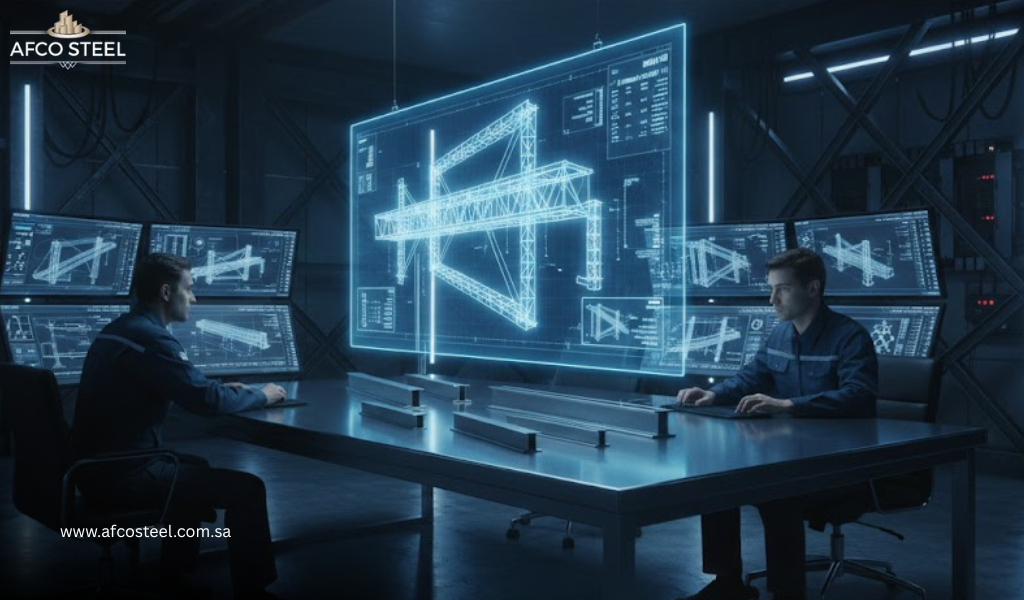
When it comes to coastal construction projects, steel structure design requires special attention to corrosion protection. Buildings near the sea face constant exposure to salt-laden air, humidity, and high temperatures — all of which accelerate steel deterioration if not properly managed.
Whether it is industrial warehousing or commercial premises, corrosion control is more than just prolonging the lifespan of a structure — it is about protecting your investment. As many developments are based in coastal locations such as, but not limited to, areas such as Jeddah and the Red Sea region, smart steel structure design services will be required to ensure longevity in the form.
This guide outlines the cooking aspects that you need to pay close attention to keep your coastal steel works functional for decades at a time; appearing strong, safe and cost-effective as the sun never sets on them.
What Is Steel Structure Design and Why It Matters in Coastal Areas?
First What is Steel Structure Design,before we talking about corrosion protection
The design of steel structure involves the engineering processes of planning, calculating and detailing components made of steel in order to safely support loads and environmental conditions. It deals with the choice of materials, structural systems, coatings, and how to connect different elements.
In coastal regions, industrial steel structure design must account for aggressive environmental factors such as:
- Salt spray exposure
- High humidity levels
- Temperature fluctuations
- Wind-driven sand particles
Corrosion protection is not an afterthought — a professional steel structure design company ensures corrosion protection strategies are built into the design stage.
Understanding Corrosion in Coastal Environments
Rust results from a reaction between steel, oxygen, and water. In coastal environments, the presence of salt speeds up this chemical process immensely. Good quality steel can deteriorate rapidly without protection.
For large industrial and commercial projects, corrosion can lead to:
- Structural weakening
- Increased maintenance costs
- Safety hazards
- Reduced asset lifespan
This is the reason; the best steel structure design services ensure preventive measures from the start stage itself.
Key Considerations for Corrosion Protection in Steel Structure Design
1. Material Selection
The first step in corrosion control is selecting the appropriate steel grade. Some grades are more suitable for marine environments. High-strength, low-alloy—engineers frequently choose this kind of steel with increased corrosion resistance.
While working on coastal projects, a well-known steel structure design company examines the environmental exposure levels before suggesting materials.
2. Protective Coatings and Galvanization
One of the most effective ways to protect coastal structures is through:
- Hot-dip galvanization
- Epoxy coatings
- Polyurethane topcoats
- Zinc-rich primers
Such coatings form a barrier in between the steel and the environment containing the corrosive agent. Coating systems are often multi-layer for achieving the best lifetime of the structures in the industrial steel structure design.
But perhaps more importantly, companies like Afco Steel incorporate high-performance coating systems into their fabrication process as part of the overall strategy to gain long-term structural protection when in coastal areas.
3. Smart Structural Detailing
Good design reduces water accumulation and salt deposits. Proper detailing in steel structure design includes:
- Avoiding sharp corners where moisture collects
- Designing adequate drainage systems
- Sealing joints properly
- Using bolted rather than welded connections where appropriate
These tiny design tweaks lead to massive decreases in corrosion risk over time.
4. Environmental Classification and Standards
Coastal zones are based on levels of corrosion. The world over, climates are categorized from low to extreme corrosion exposure based on international standards like ISO 12944.
A professional steel Structure Design Company considers conditions prevailing on-site before going with a protective system, steel grade and coating thickness.
5. Regular Maintenance Planning
Even the best steel structure design services require ongoing maintenance. Coastal steel structures should undergo:
- Routine inspection
- Recoating when necessary
- Rust spot treatment
- Structural integrity checks
Preventive maintenance minimizes expensive repairs and prolongs the life of structures.
Role of Industrial Steel Structure Design in Coastal Projects
Industrial steel structure design for large scale developments such as ports, warehouses, oil & gas facilities and marine infrastructure needs to ensure strength and durability.
Design engineers focus on:
- Load-bearing capacity under strong coastal winds
- Corrosion-resistant materials
- Enhanced surface treatment
- Long-term cost efficiency
This way, both environmental and operational stress can be endured by the structure.
Why Choosing the Right Steel Structure Design Company Matters?
It has to start at the drawing board. One complete solution can combine environmental analysis, advanced coatings, and structural optimization—and a trusted steel structure design company know exactly how to do that.
Afco Steel for instance provides a wide range of Design for Steel Structures with solid design based on coastal weather conditions of Saudi Arabia. Leveraging engineering know-how with state-of-the-art fabrication techniques, Afco Steel delivers durability and performance for industrial and commercial applications.
When selecting a partner, look for:
- Experience in coastal projects
- Compliance with international corrosion standards
- Advanced fabrication facilities
- Proven project portfolio
The selection of the correct company decreases the operating expenses in the long term and safeguards your investment.
Common Mistakes to Avoid in Coastal Steel Structure Design
Even well-funded projects can fail if corrosion protection is overlooked. Avoid these common mistakes:
- Ignoring environmental exposure classification
- Choosing low-cost coatings instead of durable systems
- Failing to seal joints properly
- Skipping routine inspection schedules
Proactive planning within the design process for your steel structure helps to keep these factors from developing into costly problems down the line.
Future Trends in Corrosion-Resistant Steel Structure Design
Technology continues to improve corrosion protection methods. Modern innovations include:
- Nano-coating technologies
- Smart corrosion monitoring sensors
- Improved alloy compositions
- AI-driven maintenance planning
Such innovations are therefore becoming integrated in innovative design services for steel structures, specifically those of valuable coastal developments.
Conclusion
Effective corrosion protection is a critical part of steel structure design, especially for coastal developments in Saudi Arabia. From material selection to protective coatings and maintenance planning, every stage must be carefully engineered to withstand harsh marine conditions.
Partnering with an experienced provider like Afco Steel ensures your project benefits from advanced steel structure design services and proven expertise in industrial steel structure design. When corrosion protection is built into the design from the start, your steel structure remains strong, safe, and cost-efficient for decades to come.
FAQs on Steel Structures
1. What is steel structure design?
Steel structure design is the engineering process of planning and detailing steel frameworks to ensure safety, durability, and load-bearing capacity under environmental conditions.
2. Why is corrosion protection important for coastal steel structures?
Coastal environments contain salt and moisture that accelerate rust formation, weakening steel and reducing structural lifespan.
3. How can corrosion be prevented in industrial steel structure design?
Using protective coatings, corrosion-resistant steel grades, proper detailing, and regular maintenance helps prevent structural damage.
4. What services does a steel structure design company provide?
They offer structural calculations, material selection, environmental analysis, fabrication support, and corrosion protection planning.
5. How often should coastal steel structures be inspected?
Regular inspections are recommended annually, with more frequent checks in highly corrosive marine environments.