As renewable energy projects grow in scale, infrastructure must be strong, adaptable, and capable of performing reliably for decades. Steel structure design offers an ideal base for building solar farms, energy plants and other renewable infrastructure where strength, accuracy and longevity matter.
Engineered steel provides the ability to support large industrial frameworks, systems for mounting solar panels, and to ensure that projects withstand massive loads in harsh environmental conditions. This can impact the overall efficiency of construction, leading to on-time delivery without delays.
Quick Summary
-
Steel also provides high strength and enables the efficient design of a structure.
-
Steel structures are designed for large-scale renewable energy installations.
-
Steel elements can be manufactured with minimal tolerances, which helps with easy assembly on-site.
-
This is due to a design that allows a structure to withstand wind, heat, acid corrosion, and more.
-
Professional structural steel design services can improve the safety, durability, and construction planning of your project.
What Role Does Steel Structure Design Play in Renewable Energy?
Renewable energy facilities typically need longer life support structures capable of supporting substantial equipment loads. This is where the design of steel structures becomes especially useful.
Engineers are able to design frameworks based on factors such as the load requirements, dimensions, and nature of use at a certain location. From solar panel supports and equipment platforms to industrial buildings, access systems and other infrastructure are examples of using steel structures.
Good steel structure engineering considers factors such as load distribution, connections, material selection, structural stability, and site conditions. This helps create infrastructure that is both dependable and practical to construct.
Supporting Long-Term Performance
The longer the timeframes for measuring these developments, which have literally multiple decades' worth of investment in renewables. Hence, the structural systems must demonstrate consistent performance upon re-exposure to weather and functional stresses. Longer service life can be enabled by adequate steel grades, protective treatments, and engineering methods
How Does Steel Improve the Strength of Energy Infrastructure?
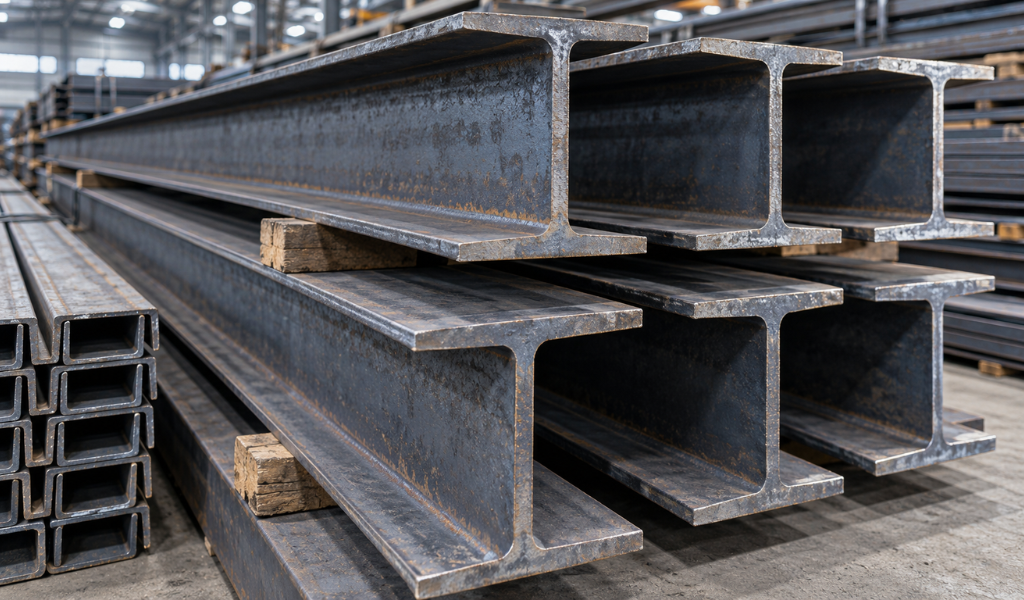
Steel has a high ratio of strength-to-weight and is used where significant loads need to be supported without overusing overweight members.
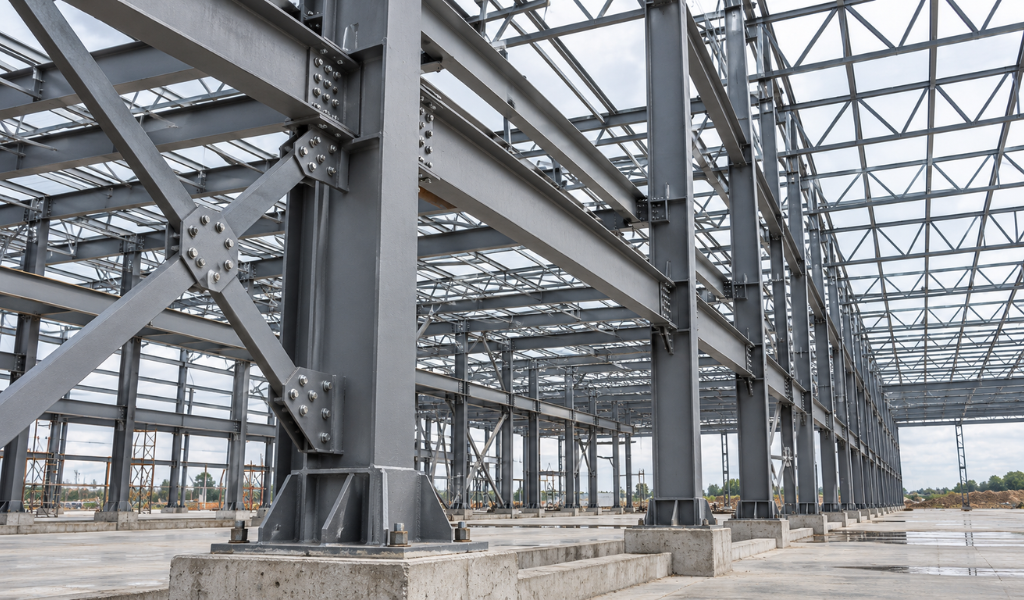
Your loads are distributed through a pocketed and highly engineered framework that slings beams, columns, braces and connections together. Rather, this can enhance the stability of structures and allow engineers to optimise material use.
Professional structural steel design services can also take care of equipment loads, wind forces and other project-specific requirements right from the fabrication stage. Detecting these requirements at an early stage decreases the probability of structural issues during construction or usage.
Why Is Steel Suitable for Large-Scale Solar Projects?
Solar farms are physically large, and they can include thousands of panels installed on a single site or spread out over many areas. Your supporting structures must be solid but leave room for the correct flow of panels.
Steel offers several advantages for these applications:
-
Strength: It can hold panels as well as equipment that go with it.
-
Design Flexibility: Components can be designed for various configurations and site conditions.
-
Precision: Components manufactured by fabrication can be made to exact dimensions.
-
Repeatability: Similar structural solutions can be used again and again in larger installations.
-
Durability: Appropriate protection allows steel to better endure difficult environments.
Efficient Steel Building Design for Energy Facilities
In addition to a range of panel supports, you can use steel structure design for control rooms, as well as factory storage buildings and industrial structures related to renewable energy projects.
Customisation of steel frameworks helps in designing better structures around operational needs.
How Can Engineered Steel Structures Speed Up Project Construction?
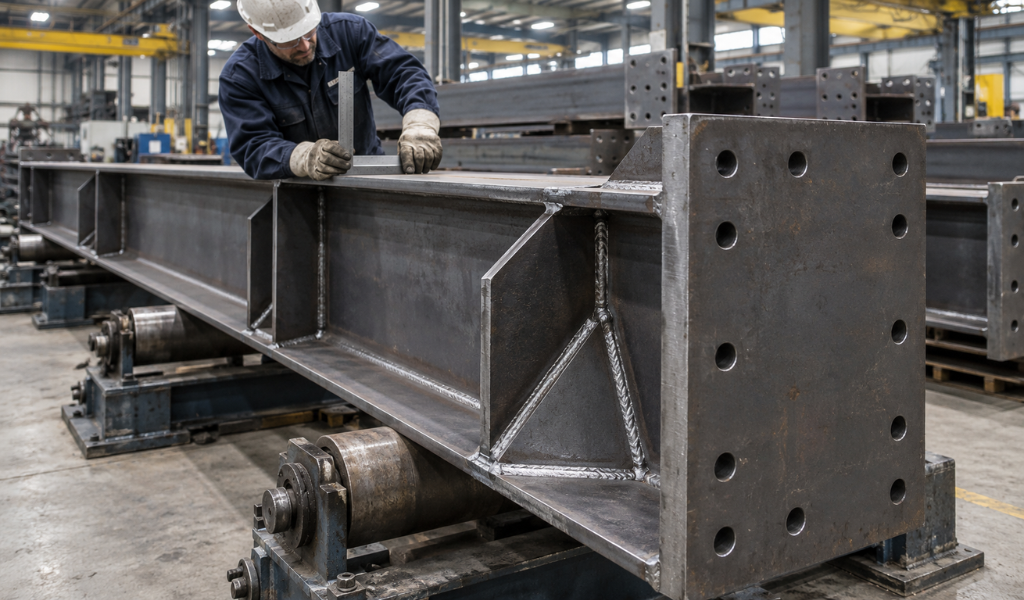
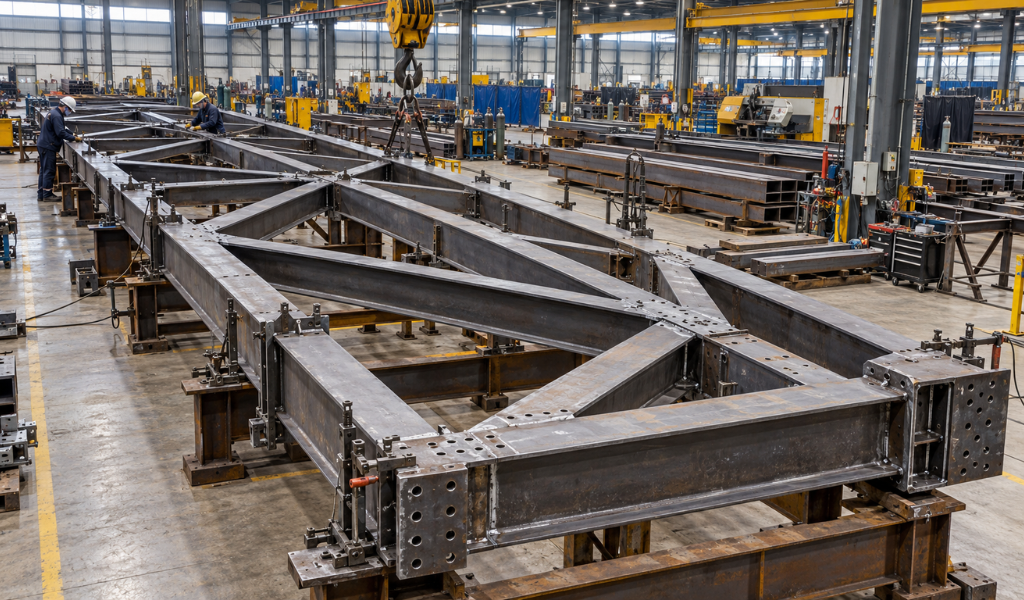
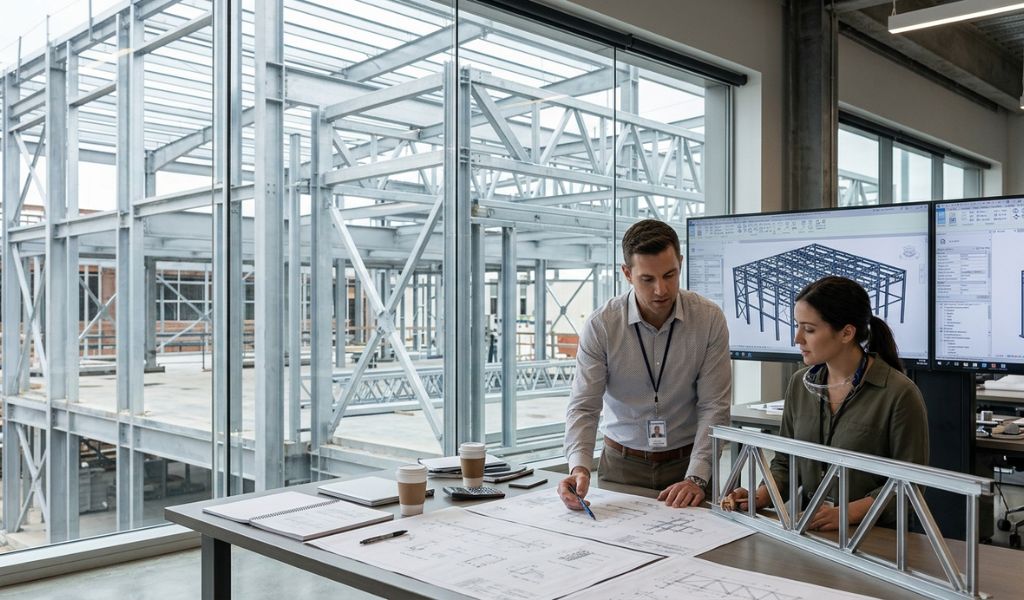
The construction process for efficiency begins far from the site, with the material. A structured engineering and fabrication process enables the design, detailing, and manufacture with installation in mind.
In the design process, we first assess project-specific requirements and then use structural calculations to draft drawings, choose suitable materials, and detail connections until components are ready for fabrication.
Properly synchronized, these stages allow for more in-shop fabrication to be accomplished before parts ever arrive on site. It helps minimize the cutting, drilling, and adjustment during installation.
Better Planning, Fewer Delays
Well-drawn sketches and thorough specifications also allow construction and fabrication teams to work from the same information. This can help minimize rework and facilitate sequencing, especially on large renewable energy projects.
How Does Steel Structure Design Handle Harsh Environmental Conditions?
Many renewable energy projects are placed in near all-day sunlight locations. Structures can be subject to extreme winds, high temperatures, dust, grit, moisture, or humidity depending on the site.
A good design for a steel structure must take these aspects into account during the engineering design. Engineers anticipate environmental loads and choose materials, structural forms, and protective systems.
Corrosion protection is especially essential for projects in harsh and aggressive climates. The appropriate coatings and maintenance strategies can help maintain steel components over many years.
Designing for the Project Location
The same structure may not be appropriate for a different environment. Site-specific engineering is therefore essential. Before finalising the design, wind conditions should be evaluated with respect to temperature variations at lower levels for higher altitudes on account of exposure and also soil conditions apart from operational requirements.
Practical Comparison: Steel Design Considerations for Renewable Projects
|
Project Requirement |
Steel Design Approach |
Main Benefit |
|
Solar panel support |
Engineered frames and connections |
Stable and scalable installation |
|
Heavy equipment |
Load-focused structural design |
Improved load management |
|
Large industrial facilities |
Steel building design |
Flexible and efficient construction |
|
Harsh weather |
Site-specific structural calculations and protection |
Greater durability |
|
Fast construction |
Detailed fabrication-ready designs |
Easier assembly and reduced rework |
|
Long-term operation |
Material and corrosion considerations |
Better service life |
Also read: Where to Find Steel Structure Design Services Near Jeddah?
Why Professional Steel Engineering Matters?
It's not a matter of just picking tougher materials for renewable energy infrastructure. It is the structural system that has to be engineered around the reality and functionality of the project.
An experienced steel engineering provider can help businesses work through structural calculations, connection details, fabrication requirements, and constructability at the very start.
Afco Steel offers solutions for structural steel design and engineering that can help support projects looking at structural steel structures designed thoughtfully. It's easier to have a smoother transition from concept, fabrication, and installation with professional input at the design stage.
Conclusion
Steel structure design is integral to delivering new and sophisticated renewable energy infrastructure that is strong, efficient, yet durable. The versatility of steel makes it ideal for solar projects, energy support facilities, and beyond as a result of its strength, flexibility (particularly when developed), scalability, and fabrication efficiency.
From detailed structural steel design services to practical steel structure engineering, a properly planned approach can improve construction efficiency and long-term structural performance. For renewable energy developers and project teams, investing in professional engineering early can help create infrastructure designed for both today's requirements and tomorrow's demands.
FAQs on Steel Structure Design
1. Why is steel used in renewable energy infrastructure?
Steel is used because it provides high strength, design flexibility, and durability. It can support solar panels, equipment, buildings, and other structures used in renewable energy facilities.
2. How does steel structure design benefit solar farms?
Steel structure design helps create stable support systems for solar panels while accounting for loads, wind conditions, site requirements, and installation needs.
3. What does the structural steel design process involve?
The structural steel design process generally includes understanding project requirements, structural calculations, material selection, connection design, detailed drawings, and preparation for fabrication.
4. Can steel structures withstand harsh weather conditions?
Yes. When properly engineered and protected, steel structures can be designed to withstand environmental stresses such as strong winds, heat, moisture, and corrosive exposure.