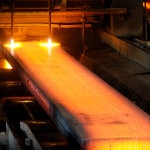
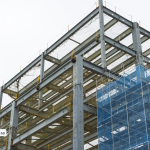
Fabrication of steel structures has emerged as an extensive domain in contemporary construction industry, impacting various sectors including industrial & commercial buildings, and infrastructure projects. To accommodate this increasing demand for construction materials that are more durable, rapid, and cost-effective, steel fabrication is perpetually transforming into novel processes and inventions. By knowing how the steel structures are fabricated, project owners, contractors, and developers will be able to make better decisions that will result in safety, durability, and long-term benefits.
What Is Steel Structures Fabrication?
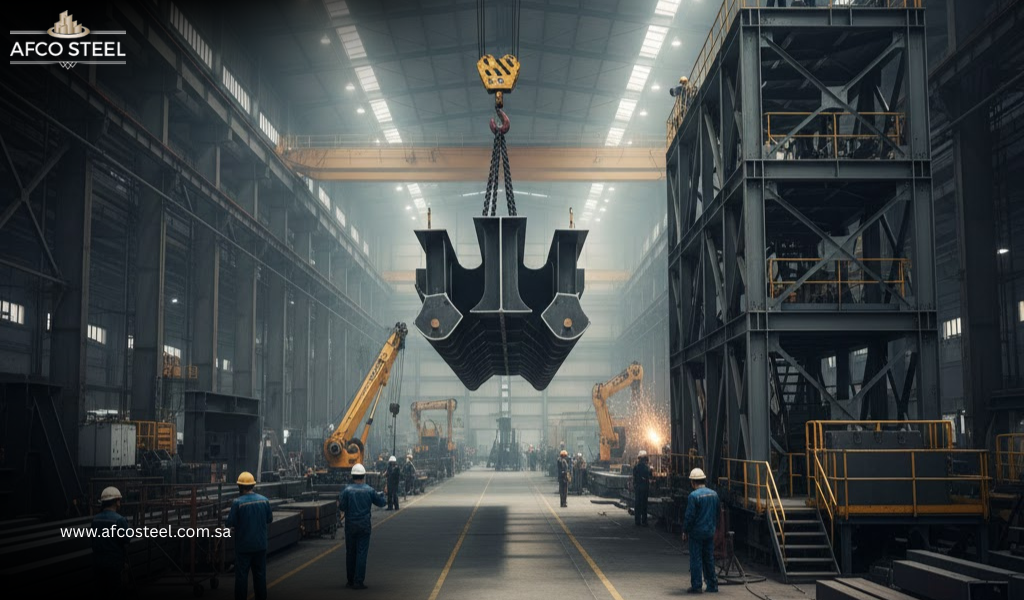
Fabrication of steel structures involves the cutting, shaping, assembling and finishing of steel components that are used in construction. These fabricated steel components are the heart of buildings, warehouses, bridges, power plants, and industrial facilities.
In contrast to on-site assembly only, fabrication occurs in controlled environments to guarantee precision, quality control and uniformity. It also minimizes construction delays and material wastage, thus, enhancing overall structural integrity.
Core Processes in Structural Fabrication Work
The structural fabrication process consists of a series of steps that take steel from raw to ready-to-install load-bearing members.
Design and Engineering
Involving comprehensive engineering drawings and three dimensional models at the start of every project These plans assure that all produced steel members are adequate structurally, are in accordance with safety regulations, and meet project needs.
Cutting and Shaping
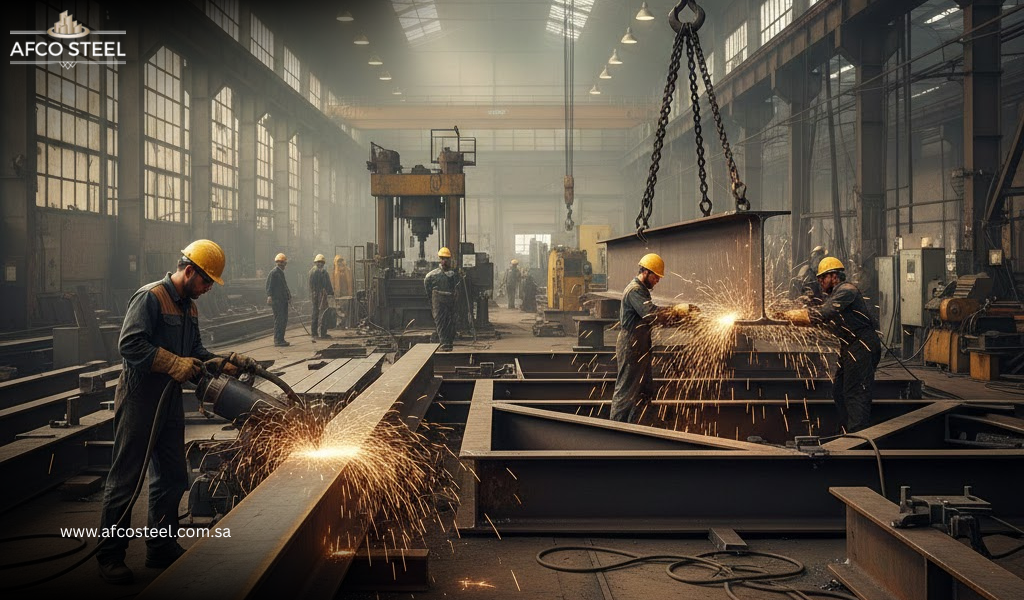
Steel fabrication construction in modern automatically high precision based on CNC machines, laser cutting, and plasma cutting. They can be used to perform complicated designs effectively and with minimal wastage of materials.
Welding and Assembly
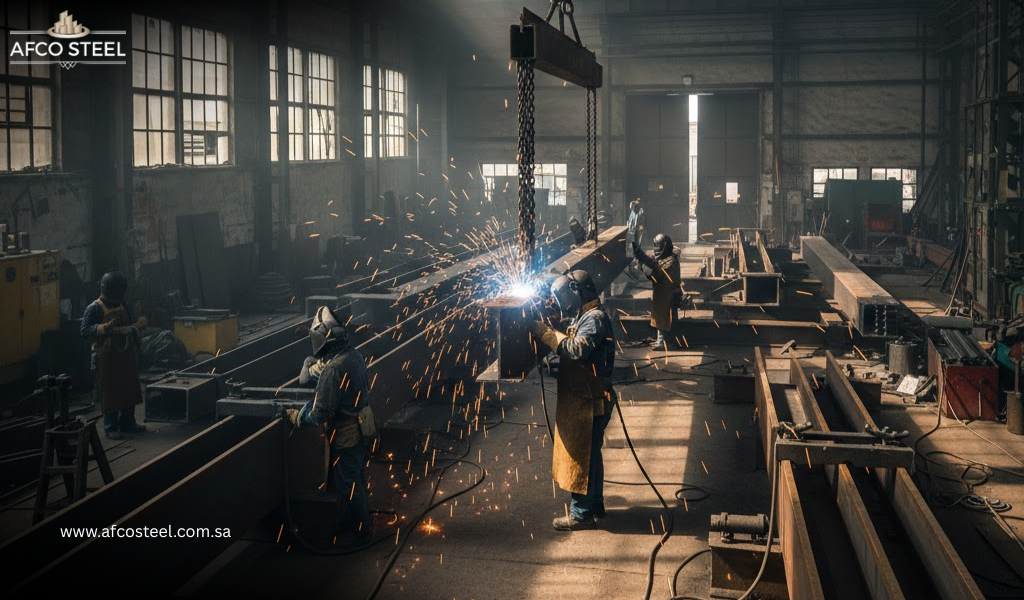
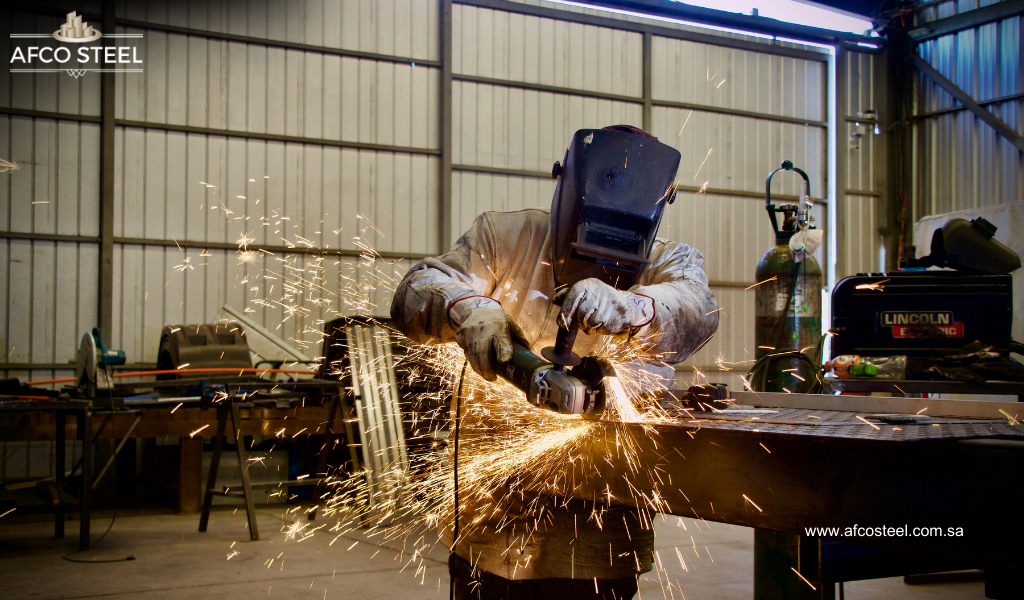
It is a primary activity in production work, especially in structural fabrication. Beams, columns, and frames are assembled by highly skilled fabricators using sophisticated welding methods, ensuring strength and durability.
Surface Treatment and Finishing
The life of steel structures is further increased, and resistance to corrosion as well as aggressive environments is improved (for example, through protective coatings, galvanizing or fire-resistant treatments).
Steel Fabrication Construction in Modern Projects
Steel fabrication construction provides a level of flexibility and scalability that is unmatched. Steel structures are adaptable to meet special load, design, and environmental needs regardless of it being about a high-rise commercial building or a heavy industrial facility.
These also cut down on-site labor, accelerate the installation process, and enhance the overall productivity of the project. It is therefore, a great alternative for fast-track building projects and large-scale construction adventures.
Role of Structural Steel Fabrication Companies in Saudi Arabia
he significant infrastructure and industrial developments in Saudi Arabia are supported by various structural steel fabrication companies in the country. As investments in energy, manufacturing, logistics, and commercial construction expand, so does the demand for superior fabricated steel.
These companies emote over international regulatory needs, advanced mechanism, and machinery, and skilled workforce capability to obtain on time concrete steel solution. One last thought — the right guy down the road — selecting the proper fabricator will help ensure the success of your project, maintain costs and keep the structure performing for a long time.
Innovations Shaping the Structural Steel Fabrication Market
Structural steel fabrication is a business that is changing with the times to advance in technology and sustainability.
Automation and Digital Fabrication
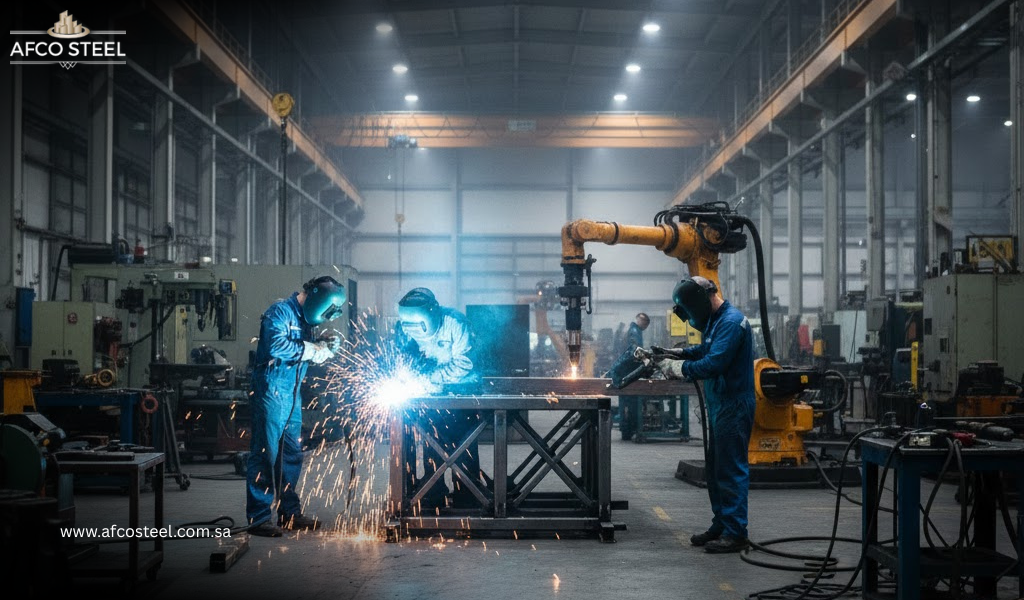
Whether it’s robotic welding or other automated cutting systems, digital simulation brings more accuracy and less human error.
Sustainable Steel Practices
Green building involves covering materials that are recyclable, energy-efficient processes, and waste reduction initiatives.
Smart Design Integration
BIM allows for an integrated flow of information from design to fabrication and installation, eliminating expensive field rework.
These advancements allow for speedy, reliable, and future-ready fabrication of steel structures.
Why Steel Structures Fabrication Is a Smart Investment?
Steel structures fabrication provides several long-term advantages by being resilient, adaptable, and cost-effective. Steel is impervious to bugs and fire and often extreme temperatures (making it a great choice for an extremely hot/cold environment).
Experienced professionals in fabrication means quicker time to the market, low maintenance expenses, and high safety standards for businesses and developers.
Choosing the Right Steel Fabrication Partner
Success in the prototyping and final product often turns upon selecting the right fabrication partner. Look for a fabrics partner with experience, certified quality standards, modern equipment and a history of proven projects successfully delivered. A reliable fabrication company also serves as a strategic partner who ensures optimized design, cost reductions, and timely delivery of projects.
Conclusion
The Steel Structures Fabrication process has continued to shape the innovation, efficiency, and strength of modern construction. With the advancement of technology and the expansion of the structural steel fabrication market, companies that integrate premium fabrication solutions continue to be at a competitive edge. Choosing the right experts to partner up with ensures you long-lasting structures, faster execution time, and long-term success in the ever-evolving world of construction.
FAQs on Steel Structure
1. What is steel structures fabrication used for?
Steel structures fabrication is used to create strong frameworks for buildings, industrial facilities, bridges, warehouses, and infrastructure projects.
2. How does structural fabrication work improve construction speed?
Structural fabrication work allows components to be manufactured off-site, reducing on-site labor and enabling faster installation.
3. Why choose steel fabrication construction over traditional methods?
Steel fabrication construction offers higher strength, flexibility, durability, and reduced maintenance compared to traditional building materials.
4. How is the structural steel fabrication market growing?
The structural steel fabrication market is expanding due to infrastructure development, industrial growth, and demand for sustainable construction solutions.
5. What should I look for in a fabrication company?
Look for experience, compliance with standards, modern technology, skilled workforce, and a strong project portfolio.
Structural fabrication is pivotal in the defining of buildings, factories, warehouses, and infrastructure projects of today. Whether it be steel beams supporting skyscrapers or factory specific frameworks used in industrial plants, structural fabrication ensures that strength, safety, and a considerable lifetime performance. So, if you are working on a construction or industrial project in planning stages, knowing the working of structural steel fabrication can help seal the best partner, control costs, and attain better results.
Overview The purpose of this guide is to demystify the basic processes, techniques, and advantages of structural fabrication, and to help you begin to envision how your desired outcome might inform the way you work with professional fabrication services.
What Is Structural Fabrication?
Structural fabrication consists of cutting, shaping, and assembling components made of steel to form the structural framework of buildings and industrial facilities. We use steel or other high strength metals to manufacture these components to bear heavy loads and work in a stable manner.
Structural fabrication is different from general metal work as it requires exactness, adherence to engineering designs, and severe quality parameters. Each piece that is created must fit perfectly when it reaches site for safety and functionality.
Key Processes Involved in Structural Fabrication
A basic knowledge of the processes associated with structural fabrication can help clients recognize the merits of using professional quality craftsmanship.
1. Design and Engineering Review
It starts with drawings and calculations; those have a certain look to them. Fabricators check the specs to ensure all loads are accurate as well as following local building codes.
2. Cutting and Shaping
Metal parts are cut by CNC machines, plasma cutters, laser cutting systems, etc. This ensures exactness and uniformity to every component.
3. Welding and Assembly
Welding fuses individual components together into powerful structural members. As skilled welders, only the demands of highly exacting standards will ensure the survival and safety of daily use over the long term.
4. Surface Treatment and Finishing
Fabricated structures are often sandblasted, painted or galvanized to improve the durability of their surface. It saves from corrosion, and exposure to environmental hazards.
Structural Fabrication Work for Commercial and Industrial Projects
Be it a commercial building, a warehouse, a bridge or an industrial plant, every type of professional structural fabrication work needs to be done. Appropriate solutions differ from project to project depending on load requirements, environmental conditions, and end-use needs.
It makes sure that when this product reaches the site, it installs faster, fewer delays, and fewer construction now and then. It can directly affect the time frame for a project and the overall cost of construction, which is where seasoned fabricators become a need.
Industrial Structural Fabrication: Built for Strength and Scale
Heavy duty structures used in manufacturing units, power plants, refineries and processing plants square measure covered below the identification of industrial structural fabrication. These projects require the ability to bear heavy loads with precision and stringent safety standards.
Many industrial fabrication applications contain large beams, columns, platforms, and other support systems that need to work in extreme situations. Partnering with an expert for your industrial fabrication offers lasting durability and operational performance.
Finding Reliable Structural Fabrication Near Me
Finding structural fabrication near me is not just about location alone. The right fabrication partner should provide:
Proven industry experience
Certified welders and skilled technicians
Advanced fabrication equipment
Quality control and safety compliance
On-time delivery and installation support
Local fabrication service can create better communication channels, higher transportation expenses and quicker process of a project.
Benefits of Professional Structural Fabrication Services
Here are some benefits of outsourcing structural fabrication services to such a professional company:
Tailored solutions catered to your project requirements
Enhanced safety with precision and multiple quality checks
Cost savings through fewer errors in project implementation
Accelerated delivery with off-the-shelf components
Sustained durability with the backing of expertise
All these advantages make the use of structural fabrication an ideal choice for commercial and industrial developments alike.
Why Structural Fabrication Matters for Your Project?
Whether its a new facility you are building or an existing facility that you a looking to expand, the structural fabrication has great effect on the strength, safety and life of your structure. Assured quality fabrication ensures regulation compliance and dependable function for the lifespan of your project.
A properly aligned and cooperating fabrication partner will further assist you in staying on time and on budget bill as it is essential to your business growth and operations.
Conclusion
If you have a basic grasp of structural fabrication, you can better plan construction or industrial projects. Each step, from in-depth design reviews to fine-tuning welding and finishing work, contributes to the making of resilient and robust structures. So whenever you are hiring structural fabrication professionals, industrial Structural Fabrication, or simply searching for structural fabrication near me to get the work done, choose wisely. A quality fabrication does not just consist of metal, but confidence, safety and longevity.
FAQs on Structural Fabrication
1. What types of projects require structural fabrication?
Structural fabrication is used in commercial buildings, warehouses, factories, bridges, and industrial facilities where strong load-bearing structures are required.
2. How do I choose the right structural fabrication company?
Look for experience, certified professionals, modern equipment, quality control practices, and a proven track record in similar projects.
3. Is industrial structural fabrication different from regular fabrication?
Yes, industrial structural fabrication involves heavier materials, larger components, and stricter safety and performance standards designed for demanding industrial environments.
Adept structural fabrication can be the difference between a project getting done ahead of schedule versus on or behind schedule or a safe construction site versus one that poses risks to the health and well-being of everyone on the site. Whether we are talking skyscrapers, warehouses, bridges, manufacturing facilities, etc. fabrication shapes and welds every single steel piece, ensuring that its ultimate home is accurate. When construction projects become more sophisticated, builders and project owners eventually turn to robust, accurate, and efficient structural solutions with the help of professional fabricators.
Why Precision Structural Fabrication Matters
Modern construction requires exactness. Every beam, column, plate and connection has been fabricated to stringent engineering specifications as precision structural fabrication Contractors can save tremendous amounts of time and money on job sites by scheduling components that arrive ready to install.
During assembly, fabricators rely on state-of-the-art instruments that include CNC-rated machines, laser-cutting systems, and automated welding to ensure that each part fits perfectly. This accuracy minimizes the necessity for refining on-site which enhances both safety and service life of the structure.
How Structural Fabrication Work Shapes Modern Projects
Every successful project starts long before the materials arrive on the ground. High-quality structural fabrication work includes:
Cutting and shaping steel based on engineering drawings
Welding and assembling components with certified technicians
Conducting inspections and quality checks
Coating and finishing steel for corrosion resistance
Preparing parts for transport and installation
When done correctly, fabrication creates strong, durable structures that hold up against extreme loads, weather, and time. This consistency is one of the biggest reasons engineers and builders depend on expert fabricators.
Choosing the Right Structural Fabrication Companies
The success of your project depends heavily on the company you choose. Reputable structural fabrication companies provide:
Proven experience with commercial and industrial projects
Skilled welders and certified fabrication experts
Modern machining and cutting equipment
Strong communication and project management
Transparent estimates and realistic timelines
A trusted partner ensures your project stays on schedule and meets all safety and industry standards. When your fabricator understands your goals, you get better quality and faster installation
Finding Structural Fabrication Near Me
It is one of the first steps that project owners take in a bid to partner with a local and trusted Structural Fabrication company in their area, bring in local workers, drive the economy and eliminate supply chain issues away. And in the case of local fabricators, they provide a swifter turnaround time, easier site visits and more responsive support. If you work with a company close by, you will also save on transportation costs and there will be no need for a translator when communicating during the build.
No matter if you are building a commercial building, industrial building or a custom metal building, hiring a local expert makes the entire process efficiently affordable.
Why Structural Fabrication Is Essential for Future-Ready Construction
As buildings become taller, stronger, and more customized, the demand for advanced fabrication will only continue to grow. Today’s projects require structural components that can be produced quickly, safely, and with pinpoint accuracy.
Structural fabrication ensures:
Faster construction timelines
Better structural integrity
Improved safety on and off the jobsite
Lower long-term maintenance
More design flexibility
If your upcoming project requires durable steel structures built to last, partnering with the right fabrication team can make all the difference. High-quality fabrication doesn’t just support your build—it elevates it.
Conclusion: The Lasting Value of Structural Fabrication
Structural fabrication is the backbone of stable, secure and streamlined building projects but in the contemporary construction industry, it is more than merely cutting and welding steel. Whether it is through meticulous methods or trusted locals artists, fabrication helps keep your project solid for years to come. This is why selecting the appropriate team today will create a legacy of sustainable, performant delivery.
FAQs on Structural Fabrication
1. What is structural fabrication in construction?
Structural fabrication is the process of cutting, shaping, welding, and assembling steel components used in buildings and industrial structures. It ensures the final structure is strong, safe, and ready for installation.
2. Why is precision structural fabrication important?
Precision structural fabrication ensures that every steel component fits perfectly during installation. This reduces errors, speeds up construction, and improves the overall quality and durability of the project.
3. How do I choose the right structural fabrication companies?
Look for experience, certified welders, advanced equipment, strong communication, and proven past projects. A reliable fabrication company will deliver accurate components and meet your project deadlines.
4. What are the benefits of hiring structural fabrication near me?
Local fabricators offer faster delivery, easier collaboration, lower transportation costs, and quicker support. This helps keep your project running smoothly from start to finish.
5. What types of projects need structural fabrication work?
Commercial buildings, bridges, warehouses, factories, residential complexes, and custom metal structures all rely on high-quality structural fabrication work.