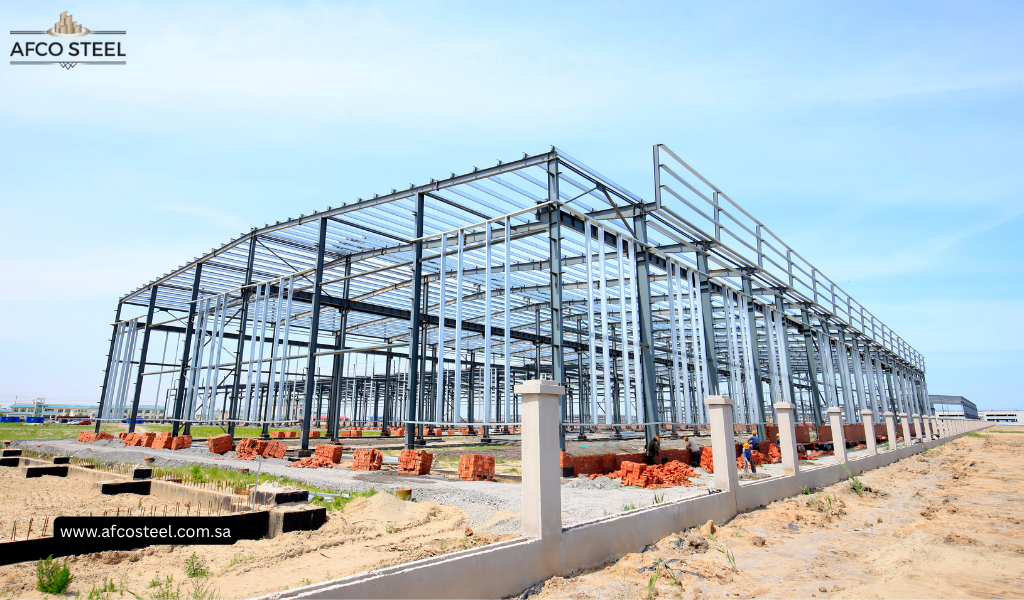
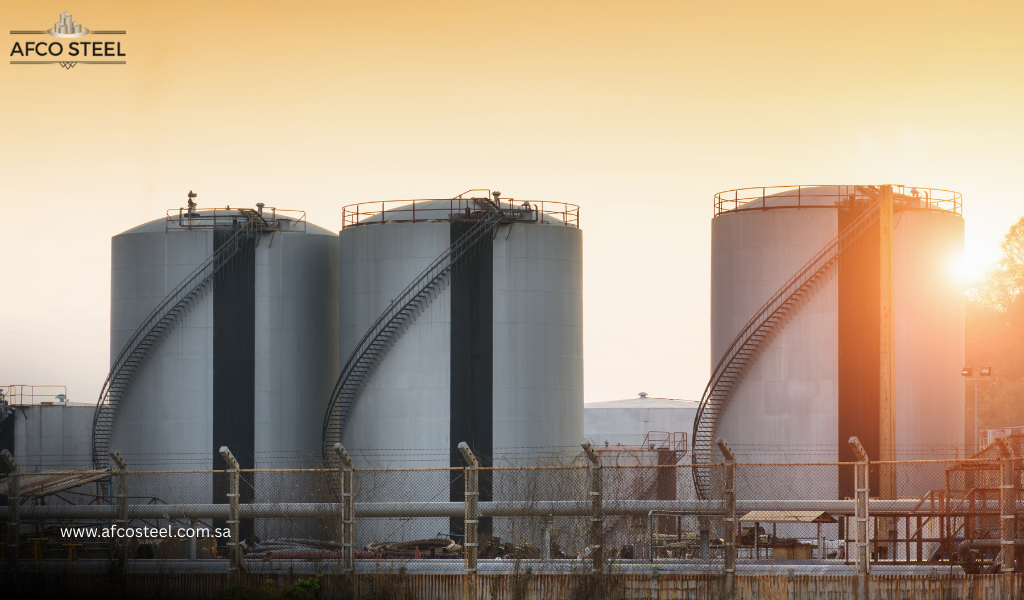
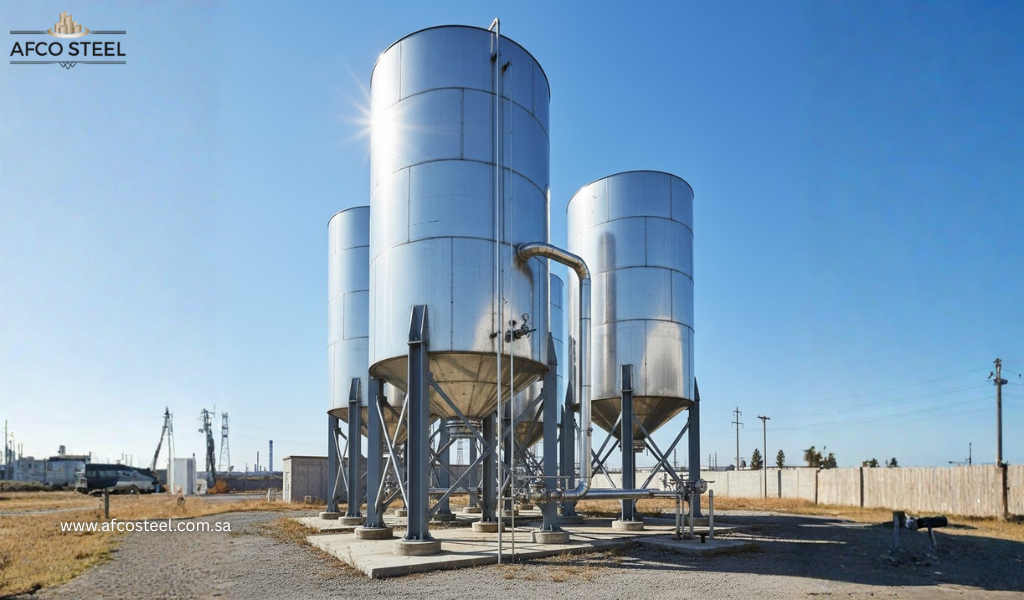
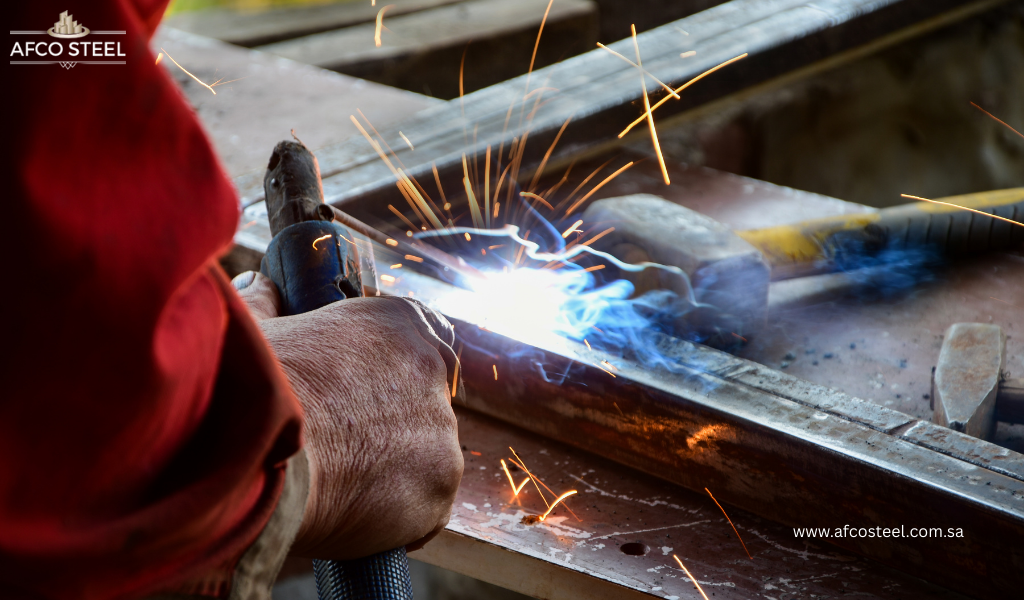
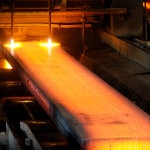
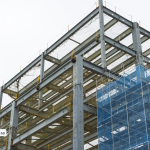
Steel has long been the bedrock of modern industry, but the production methods of today are a far cry from production facilities of yesteryear. It simply shows how new ideas about construction & industry continue to change the shape of steel factories, from automation to sustainable manufacturing.
For any steel company with a focus on growth, adapting to the latest technologies, higher quality parameters, and the accelerative demand of quicker and more efficient steel production means either you grow with it or risk being surpassed. Having a grasp on how the industry has changed will allow you to be more informed and more confident in your decisions, no matter if you are looking at a steel company near me or deciding between large-scale suppliers.
How Steel Factories Have Transformed Over Time?
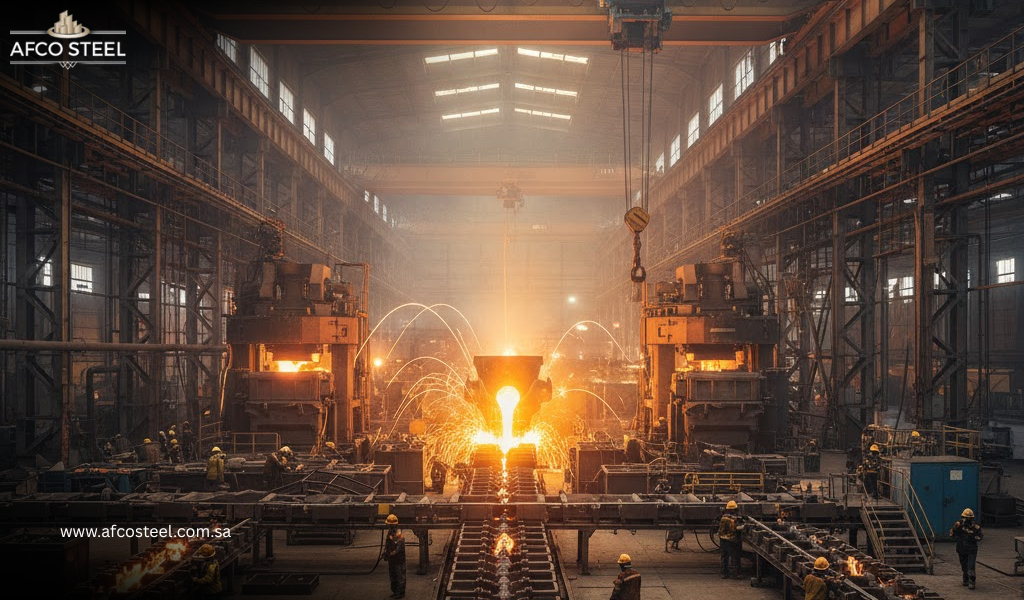
Steel manufacturing plants in the past were dependent on manual workers and energy-consuming methods. Although they were effective for the time, resulted in more expensive products, prolonged production times, and uneven quality.
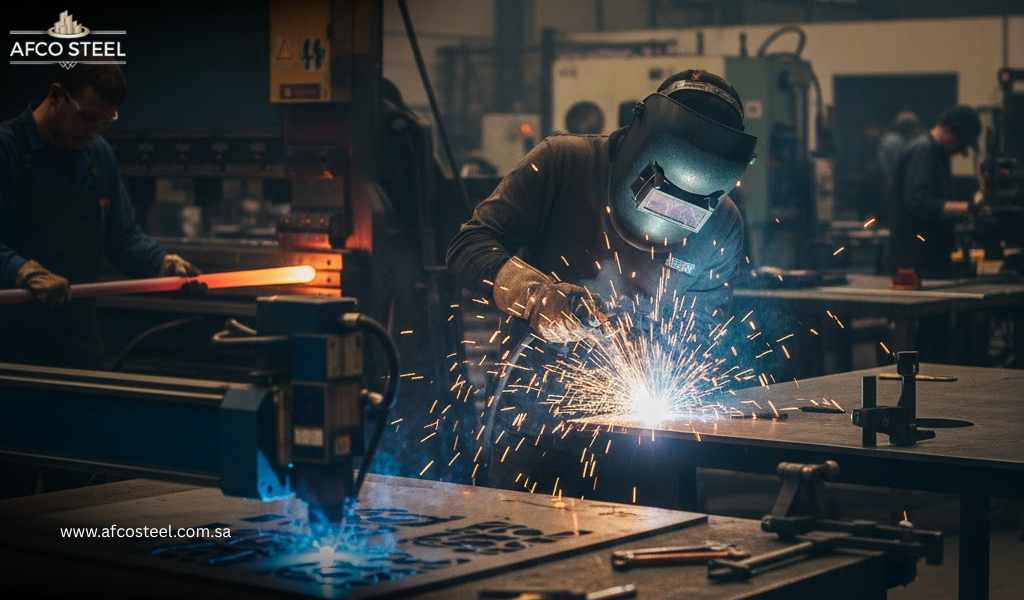
But the mental model of modern steel works is very different. Today, the functioning of a construction steel company is synonymous with automation, precision engineering, and real-time monitoring. Steel makers can not only make tougher, more homogenous materials but also do it with less waste and downtime.
These factories are not just built to manufacture steel, they are built to provide value with effort on efficiency, customization, and reliability.
Technology Driving the Modern Steel Company
Innovation is Today, The Pulse of every Successful Steel Manufacturer. Leading factories are equipped with advanced machinery including digital controls and even smart production systems.
These days a structural steel company employs computer controlled processes for cutting, shaping and welding that are all prepared to meet detailed specifications for the project. Such kind of precision remains critical for commercial as well as industrial projects (big or small) where durability and safety is crucially observed.
This is an even larger piece of the puzzle in areas where infrastructure is expanding quickly such as the Middle East. In Saudi Arabia, as a Steel manufacturer, we have to follow high standard with quality and also manage the demand on the bigger scale. With the rise of new industrial cities like Jeddah, the need for a reliable steel company in Jeddah has never been more prominent.
Sustainability and Responsible Steel Production
In the steel industry, sustainability is not an option anymore. Today, steel companies face expectations to conduct responsible business driven by customers, governments, and developers.
Contemporary factories have adopted processes that minimize emissions, recycle scrap steel, and maximize energy efficiency. Such practices are also good for the environment and reduce the costs of production over the long term. A steel company that is looking towards the future will always know that sustainable operations lead to repeated business and a loyal customer base.
The construction steel company with a sustainability focus adds well for green building certifications and future-ready projects for the construction firms.
Why Choosing the Right Steel Company Matters?
Choosing the right supplier of steel is more than considering a price. Factors like quality, consistency, timelines for delivery, and technical support contribute considerably to the success of the project.
A lot of times when customers are searching for a steel company near me, they are specifically seeking for a company that will respond quickly, local and trustworthy. On the other hand, the large developers might reach for a steel giant that is well-acquainted with the Kingdom, able to manage large scale-projects across sites, or even in a Southeast Asia site.
A trustworthy steel firm takes on the role of a business partner (and not a mere supplier) in the long run. The perfect team helps mitigate risks to avoid repeated delays right from consultation to delivery.
As technology improves and market requirements and specifications transform, the steel industry keeps on changing too. Steel factories of the future are set to be shaped by artificial intelligence, data-driven production and smart logistics.
Steel companies that are looking towards the future will still invest in innovation, but with an emphasis on high safety and quality standards. All this results in superior products, shorter lead times, and greater assurance in each and every structure built from modern steel — the benefits for clients are clear.
Conclusion
The evolution of steel factories reflects a broader shift toward efficiency, sustainability, and innovation. Today’s steel companies are no longer just manufacturers; they are solution providers supporting modern construction and infrastructure growth.
Whether you are partnering with a structural steel company, sourcing materials from a steel company in Jeddah, or searching for a dependable steel company near me, choosing a forward-thinking supplier can make a measurable difference in your project’s success. As the industry continues to advance, working with the right steel company ensures strength, reliability, and long-term value.
FAQs about Steel Company
1. What makes a modern steel company different from traditional manufacturers?
Modern steel companies use advanced technology, automation, and sustainable practices to deliver higher quality steel with better efficiency and consistency.
2. Why is Saudi Arabia a growing hub for steel manufacturing?
Rapid infrastructure development and industrial growth have increased demand, making a steel company in Saudi Arabia a key contributor to regional construction projects.
3. How do I choose the right steel company for my project?
Look for experience, quality certifications, production capacity, and reliable delivery. A trusted construction steel company should also offer technical support.
4. What role does sustainability play in steel production today?
Sustainability helps reduce environmental impact, lower costs, and meet modern building standards, making it a priority for every leading steel company.
5. Is working with a local steel company beneficial?
Yes, choosing a steel company near me often results in faster delivery, better communication, and stronger long-term partnerships.
Steel is the backbone of modern day civilization. Steel is an essential part of our everyday lives, helping to shape everything from high-rise buildings and other transportation networks, to factory equipment and power infrastructure. Raw materials are processed in a steel factory that sends high-standard steel products to businesses in all continents that fill the global supply chain.
With new advancements, the steel factories have now surpassed being just channels for production. Sustainability, efficiency, and precision engineering have turned them into innovation hubs.
Why Steel Factories Matter in Today’s Global Economy?
Steel factory supports many industries simultaneously such as construction, automotive, oil and gas, shipbuilding, and infrastructural development. These mega-manufacturing projects would slow to a crawl or stop without an assured supply of steel.
Steel factories most modern are designed to meet the requisite quality parameters of the international standards, at the same time producing a uniform product. Heavy-duty machinery, expert manpower, and high precision quality check guarantee the steel products that demand across the globe. Such dependability is what makes steel mills the ideal partner for businesses that rely on sturdy and durable metals.
Growing Demand for Steel in the Middle East
With Saudi Arabia identifying the industrial growth as a key area of development, the Middle East is emerging as a major industrial hub with large infrastructure. This has triggered a massive demand for steel. Element Steel Factory in Saudi Arabia is a key plant to provide national development goals, industrial growth and increasing export.
This change is spearheaded by many cities, one of which is Jeddah. A Jeddah steel factory supplies steel products to the local and international markets and is used in construction, manufacturing, and energy sectors. Jeddah have its proximity, ports and quick delivery timeline, making it a convenient choice for businesses to work with a steel factory there.
Local Access and Faster Supply Chains
For a lot of contractors as well as producers looking for a steel manufacturing facility near me, it’s not just about comfort. Being local means reduced transportation costs, reduced project time, and faster communication. Steel mills are nearby industrial areas that are competitive and ensure reliable supply while being responsive to user needs.
Co-operate with a related steel mill can help clients have an on-the-spot review of the materials, design work with tailor-made specs and develop trails on an establishment that is both trustworthy and provides performance in near future.
Technology and Quality in Modern Steel Production
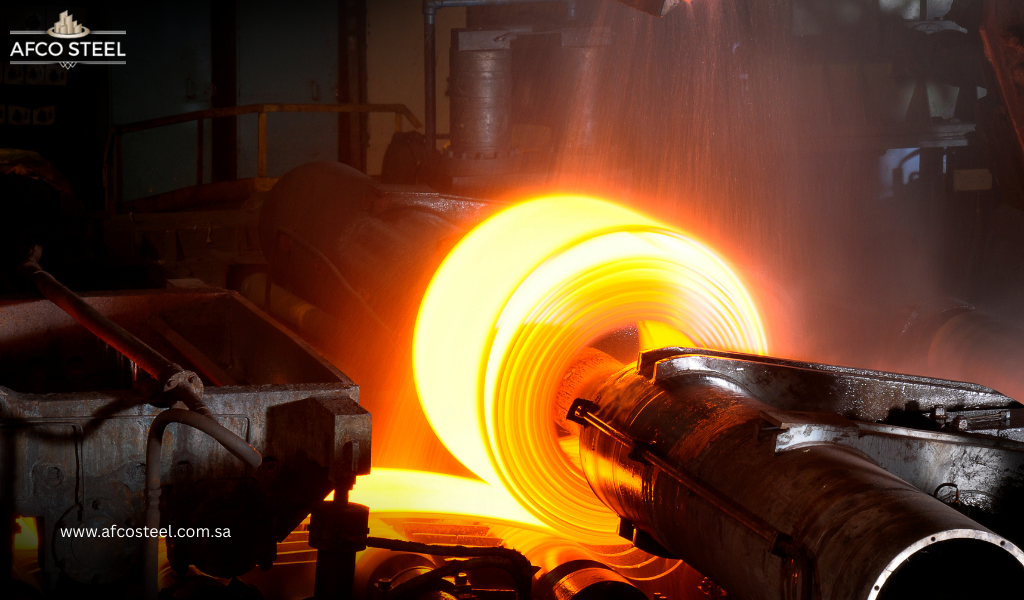
The steel plants of today are highly dependent on mechanisation and technology for achieving uniformity in quality. Things like automated production lines, accurate temperature controls, and testing equipment ensure the strength, durability and compliance to global standards.
The steel factories in Saudi Arabia are spending significant amounts of money to ensure innovative techniques to meet high demand from abroad but also reduce the environmental footprint. A steel factory in Saudi Arabia that prioritizes quality and sustainability is a reliable source for buyers looking for both regional and global markets.
How Steel Factories Support Business Growth?
Choosing a Steel Factory is a strategic decision for manufacturers, builders and exporters. Steel supply is an integral portion of any project, and a reliable source can have significant effects on project timelines, product quality, and total profits. Steel factories that become the niche for customized, large-scale productions, and on-time delivery ensures the business can grow efficiently.
A sizeable Jeddah steel factory can accommodate projects big and small, from homegrown construction to international heavy exports. Steel factories can be both partners in manufacturing a product in the long run rather than just as suppliers by having such flexibility.
Choosing the Right Steel Factory for Your Needs
Some of the areas that businesses should look into when choosing a steel factory will be its production capacity, quality certificates, ability to deliver on time, and customer support. No matter if you are looking for home-based or overseas products, the right association with the steel factory will take care of the entire process and make it a smooth-sailing deal every time.
Whether you are google a steel factory near me or in saudi arabia, an experienced manufacturer can give your business the competitive edge it needs in an aggressive worldwide industry.
Conclusion
Steel factories play a foundational role in global manufacturing by supplying high-quality materials that power infrastructure, industry, and innovation. From local sourcing to international exports, a reliablesteel factory supports efficiency, growth, and long-term success. With industrial expansion accelerating in Saudi Arabia, especially in cities like Jeddah, steel factories in the region are positioned to meet rising global demand while delivering quality you can trust.
FAQs on Steel Factory
1. What does a steel factory produce?
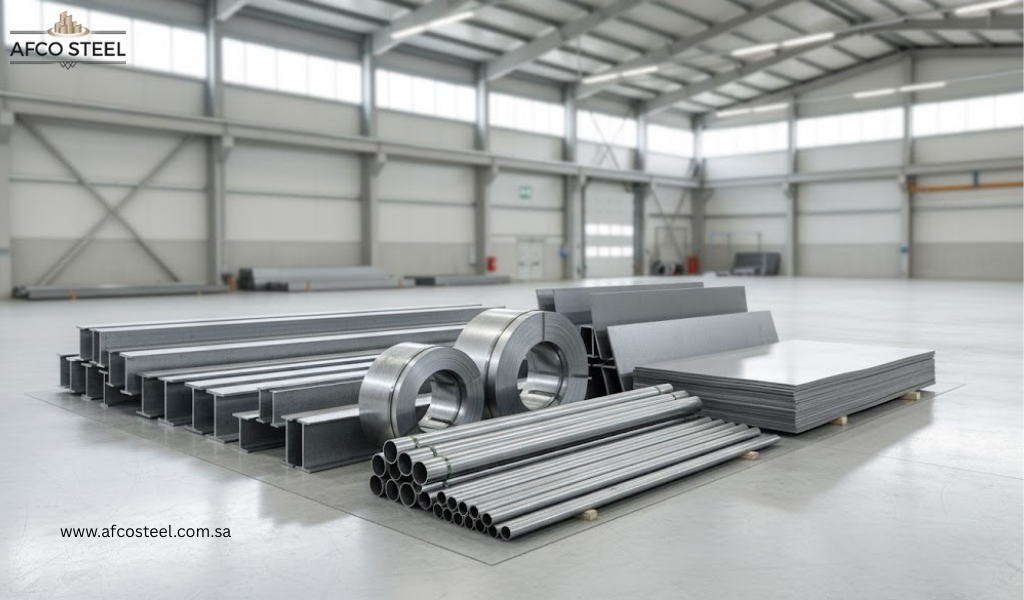
A steel factory produces various steel products such as beams, sheets, pipes, and custom components used in construction, manufacturing, and infrastructure projects.
2. Why choose a steel factory in Saudi Arabia?
A steel factory in Saudi Arabia offers strategic location advantages, modern production facilities, and compliance with international quality standards, making it ideal for regional and global supply.
3. How does a Jeddah steel factory benefit businesses?
A Jeddah steel factory provides faster logistics, access to major ports, and reliable supply for both domestic and export markets.
4. How can I find a reliable steel factory near me?
Look for steel factories with strong industry experience, quality certifications, modern technology, and positive client partnerships.
5. Do steel factories offer customized steel solutions?
Yes, many steel factories provide customized steel products based on project specifications, quantity requirements, and industry needs.
In contemporary construction, sustainability is no longer a fad. It is a responsibility. The ideal material has low environmental impact, long-term performance, and is now the choice of builders, architects, and developers. One material that fits both of these goals is structural steel.
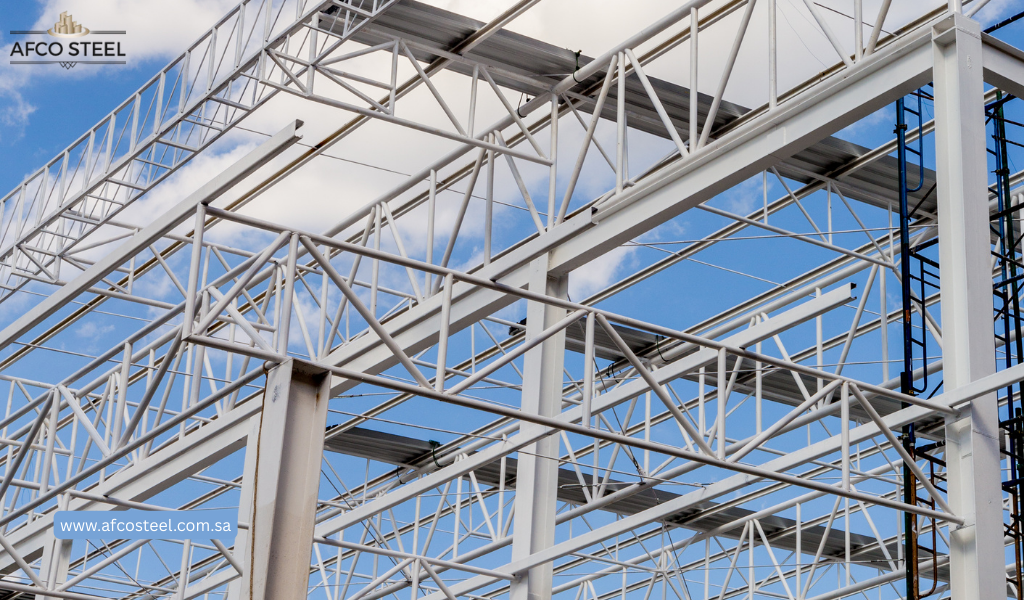
From commercial towers to industrial facilities, structural steel creates strong, flexible, and sustainable buildings. Steel remains one of the most sustainable builder solutions in the world as construction standards improve and develop.
One of the notable properties of structural steel is its high strength-to-weight ratio That allows buildings to be constructed with less substance while maintaining soundness. Less raw material means less resource consumption, reduced transport needs, and lower project waste overall.
Another key advantage is recyclability. Structural steel is a material which can be recycled over and over again without loss of quality. Most today steel structures already include recycled content, good in itself from a sustainability perspective.
Steel also supports energy-efficient designs. Big wide spans make it easy for architects to maximize natural lighting and ventilation, decreasing the demand on artificial energy systems during the life of the building.
Structural Steel Fabrication and Environmental Efficiency
Over the years, technology has played an important role in manufacturing and the process of structural steel fabrication has become fast and more accurate. The advance in fabrication processes significantly reduce material wastage and enhance the precision of prefabricated parts, thus minimizing the on-site installation time and errors.
With less need for cutting and rework, climate-controlled manufacturing environments produce pre-engineered components in steel. The process is perfect and thus takes less time and costs less and also reduces the environmental footprint of the whole of the construction project.
With an experienced structural steel company in charge of fabrication, plans can be made to reduce delays and improve sustainability outcomes.
Types of Structural Steel Used in Sustainable Buildings
Knowing what type of structural steel is needed can help developers select the best structural steel solution for long-term results. Common categories are such as carbon steel, high-strength low-alloy steel, and weathering steel.
Each type has a purpose in regard to load, exposure, and design flexibility. Choosing the right type of steel enhances durability and decreases maintenance requirements, which aids in the promotion of sustainable building goals.
The Growing Saudi Arabia Structural Steel Market
The Saudi Arabia structural steel market is expanding rapidly due to large-scale infrastructure, industrial, and commercial development projects. Sustainability initiatives under national development programs have increased the demand for durable and efficient construction materials.
Steel structures are increasingly preferred for airports, warehouses, factories, and high-rise buildings because they align with modern sustainability and safety standards. This growth has also raised expectations for quality, compliance, and innovation within the industry.
Choosing the Right Structural Steel Suppliers in Saudi Arabia
To make sure that your project becomes successful across the board, it is crucial to be worked with reliable structural steel suppliers in Saudi Arabia. One thing that only a trusted supplier can provide you is stable material quality, compliance with international standards, and timely delivery.
Apart from a wide range of steel products, an experienced supplier can provide technical support which helps customers pick the best steel grades and fabrication processes. Such level of expertise not only minimizes risks but also ensures cost control and better quality of entire the project lifecycle.
For businesses that seek long-term value, hiring a friendlier corporate steel house is more of a strategic business investment than a mere purchase.
Structural Steel as a Smart Business Choice
In addition to sustainability, structural steel is also more economical. Shorter construction schedules cut labor, and durability brings down long-term maintenance. Additionally, steel buildings can be easily altered or expanded, making them incredibly durable.
Such advantages make structural steel the choice of those developers and contractors looking for optimum performance with code compliance at a cost effective, return on investment.
Conclusion
Structural steel continues to shape the future of sustainable construction. Its strength, recyclability, and adaptability make it one of the most responsible building materials available today. As demand grows within the Saudi Arabia structural steel market, choosing the right fabrication partner and supplier becomes even more important.
If your project requires reliability, efficiency, and long-term value, partnering with a trusted structural steel company can help you build smarter, faster, and more sustainably.
FAQs on Structural Steel
1. Why is structural steel considered sustainable?
Structural steel is recyclable, durable, and efficient to produce, making it environmentally responsible over a building’s entire lifecycle.
2. What industries commonly use structural steel?
Structural steel is widely used in commercial buildings, industrial facilities, warehouses, infrastructure projects, and high-rise developments.
3. How does structural steel fabrication improve project timelines?
Fabrication allows components to be manufactured off-site with precision, reducing installation time and minimizing construction delays.
4. What should I look for in structural steel suppliers in Saudi Arabia?
Look for suppliers with proven experience, quality certifications, strong logistics capabilities, and technical support services.
5. Is structural steel suitable for future building expansion?
Yes, steel structures are flexible and can be easily modified or expanded without major structural changes.
Storage tanks are essential in various industries — water management, energy, manufacturing, and food processing. From a large scale industrial development to an upgrading of an existing facility, having an understanding of how storage tanks work and which tank option works best for your needs can directly affect your efficiency, safety and cost savings over its lifetime.
It articulates a comprehensive yet concise insight towards storage tanks, their uses, general materials, and industry practices to assist businesses in shortlisting their ideal storage tank supplier.
What Are Storage Tanks and Why Are They Essential?
Storage Tanks – A storage tank is a type of engineered container which is constructed for storing liquids, gases or semi-solids under controlled parameters. They play a crucial role in continuity of supply, continuity of operations, and adherence to standards — whether safety or environmental.
Storage tanks are utilized to store various materials, such as water, chemicals, fuels, oils and food-grade materials. The design and selection of materials depend on temperature, pressure, corrosion resistance, and whether the equipment meets regulations.
Common Types of Storage Tanks Used Across Industries
By knowing the types of storage tanks, it enables businesses to figure out which tank is the best solution to be efficient and within compliance.
Usage of Steel Water Storage Tanks for municipal water supply, fire protection systems, and industrial water storage are quite common. These tanks are prized for their sturdiness, structural strength and long service life.
In oil and gas, chemical storage, industrial manufacturing, but predominantly steel storage tanks. They come with a great weight-bearing capability and can be made to hold bulk storage.
Industries where hygiene, corrosion resistance and easy maintenance are critical use stainless steel storage tanks, such as food processing, pharmaceuticals and dairies. Being smooth, they facilitate cleanliness and inhibit contamination.
Every application requires a special configuration of the tank, which is why it is important to work with professionals that have experience.
Key Applications of Storage Tanks
Storage tanks are used in a vast number of industrial and commercial processes. They guarantee that water is always available in water treatment plants. In factories, they safely store raw materials and finished products. Storage tanks are used for storage of fuels and lubricants in the energy sector.
Food and beverage businesses utilize stainless steel storage tanks that conform to hygiene requirements, while chemical sectors require specialized steel storage tanks for the safe storage of chemicals and dangerous commodities.
From an operational reliability and regulatory compliance standpoint, selecting the right tank is imperative.
Industry Standards and Quality Considerations
They should be conforming to the strict industry standards to ensure safety and performance from storage tanks. They include standards for material specifications, welding processes, corrosion protection and inspection. Following international and regional regulations, minimizes risk, prevents leaking and increases tank life.
The highly regarded storage tank manufacturers in Saudi Arabia are well-acquainted with international benchmarks to fulfil the need of both sub-contractors and the large industrial projects. They help ensure tanks are built to persevere even in scorching environmental conditions and extreme operational situations.
Choosing the right storage tank is just as important as buying the tank but selecting a reputable supplier is equally important. Technical Support, Custom Design, After Market Supply, etc. which are some of the key support from a Trusted Supplier.
Find suppliers with established experience, certified manufacturing processes, and knowledge of your industry standards. Livestock storage, professional supplier can help businesses optimize storage capacity, improve safety, and reduce long-term maintenance costs.
Experienced storage tank manufacturers in Saudi Arabia provide valuable support for regional projects that require engineering solutions addressing specific environmental conditions characteristic in the Middle East region.
How Storage Tanks Support Business Growth?
Well-Designed Storage Tanks Improves The Business Efficiency Without Downtime And Scaling Your Business When you select the right type of storage, you reduce the amount of risk associated in this part of the supply chain.
Whether that is connectivity-specific steel water storage tanks for infrastructure type projects or stainless steel storage tanks for hygiene application, going with the right choice also increases reliability and helps sustain business growth in the long run!
Conclusion
Storage tanks are a foundational component of modern industry, supporting safe storage, operational efficiency, and regulatory compliance. Understanding the different types of storage tanks and selecting a reliable storage tank supplier ensures long-term performance and cost efficiency. Businesses that invest in quality storage solutions position themselves for sustainable growth and operational reliability.
FAQs on Storage Tanks
1. What are storage tanks commonly used for?
Storage tanks are used to store water, chemicals, fuels, oils, and food-grade materials across industrial, commercial, and municipal applications.
2. Which material is best for storage tanks?
The best material depends on usage. Steel storage tanks offer strength and durability, while stainless steel storage tanks provide corrosion resistance and hygiene for sensitive applications.
3. Why are steel water storage tanks popular?
Steel water storage tanks are popular due to their long lifespan, structural integrity, and suitability for large-scale water storage projects.
4. How do I choose the right storage tank supplier?
Choose a supplier with industry experience, certified manufacturing standards, customization capabilities, and strong after-sales support.
5. Are storage tank manufacturers in Saudi Arabia suitable for large projects?
Yes, storage tank manufacturers in Saudi Arabia are well-equipped to handle large industrial projects and design tanks suitable for extreme environmental conditions.
Choosing an appropriate metal fabrication partner can determine the success or failure of a construction project. Metal fabrication has become almost integral to modern construction, from ensuring structural strength to long-term durability and seamless execution of project timelines. From commercial buildings, industrial installations, to infrastructure works, learning how to choose the right fabrication solution to maintain cost controls and quality is the key.
In today’s construction industry, where precision precision, compliance and scalability are paramount, engaging with the right fabricators is no longer a choice but a strategic decision.
Why Metal Fabrication Matters in Construction?
Metal fabrication is the process of cutting, shaping, assembling, and finishing metal components to meet specific design and engineering requirements. In construction, fabricated metal is used for beams, frames, staircases, railings, cladding systems, and custom architectural features.
The right fabrication approach ensures:
Structural integrity and safety
Faster installation and reduced rework
Compliance with engineering and safety standards
Long-term performance in demanding environments
For projects requiring corrosion resistance and clean finishes, stainless metal fabrication is often the preferred choice, especially in commercial and industrial developments.
Understanding Your Project Requirements First
However, there are a few things you must know before you get the phrase metal fabrication near me to find out the best matching service provider. Identify the load requirements, environmental exposure, subassemblies, design complexity, and timeline.
If your project needs specific designs that are out of the norm, searching for a provider that provides custom metal fabrication near me can help to minimize design restrictions. Custom fabrication provides great flexibility in terms of dimensions, finishes and materials while retaining engineering level accuracy.
Choosing Between Local and Regional Fabrication Partners
As a matter of fact, a lot of contractors begin with something as simple as searching for terms like metal fabrication near me to minimize transportation costs and streamline the production process. Local fabricators will typically provide faster turnaround times and reduce language barriers.
On the other hand, only companies such as Vendere had long-listed qualified suppliers in this region that would provide experience only developing for large-scale projects and regional standards in standard building development. Metal fabrication companies are unique capabilities in high-volume industrial and commercial fabrication that makes it a great fit with the more complex construction developments that often occur in Saudi Arabia.
Saudi Arabia metal fabrication market is growing rapidly on the back of growing investment in infrastructure expansion, oil and gas projects and smart city projects in the country. Fabricators with this kind of capabilities typically comply with global quality standards, taking on challenging project scopes.
Why Stainless Metal Fabrication Is a Smart Investment?
Stainless metal fabrication is widely used in construction projects where durability, hygiene, and aesthetics matter. It offers strong resistance to corrosion, heat, and moisture, making it suitable for harsh environments and long-term use.
Common applications include:
Structural supports and frames
Handrails and safety barriers
Architectural facades
Industrial platforms and enclosures
Choosing stainless steel can reduce maintenance costs while improving the overall lifespan of the structure.
Not all fabricators deliver the same level of quality. When evaluating potential partners, look for:
Proven experience in construction-related metal fabrication
Advanced machinery and skilled technicians
Compliance with local and international standards
Ability to handle custom and large-scale fabrication
Transparent pricing and realistic delivery timelines
Reliable fabricators focus on collaboration, helping clients optimize designs for efficiency and cost savings rather than simply producing parts.
How the Right Fabricator Helps You Generate Long-Term Value?
A good metal fabrication partner is more than just a metals supplier. This helps in reducing project risks, delays and achieving better structural performance. For developers and contractors, this translates to minimal change orders, easy inspections, and happy stakeholders.
Partnering with experienced fabricators also enhances scalability down the road, which is relevant for ongoing work in Saudi Arabia’s burgeoning construction sector.
Conclusion
Choosing the right metal fabrication solution is a strategic decision that directly impacts construction quality, timelines, and profitability. Whether you need custom metal fabrication near me, specialized stainless metal fabrication, or large-scale support from metal fabrication companies in Saudi Arabia, selecting the right partner ensures long-term success.
As the Saudi Arabia metal fabrication market continues to expand, partnering with the right fabrication expert gives your project a competitive edge from foundation to final installation.
FAQs on Metal Fabrication
1. What is metal fabrication in construction projects?
Metal fabrication involves cutting, shaping, and assembling metal components used in construction, such as beams, frames, and custom structures.
2. How do I find reliable metal fabrication near me?
Look for fabricators with construction experience, strong reviews, modern equipment, and the ability to meet project timelines and standards.
3. Why is stainless metal fabrication commonly used in construction?
Stainless steel offers corrosion resistance, durability, and a clean finish, making it ideal for structural and architectural applications.
4. Are metal fabrication companies in Saudi Arabia suitable for large projects?
Yes, many companies in Saudi Arabia handle large-scale industrial and commercial projects while meeting international quality standards.
5. How does custom metal fabrication benefit construction projects?
Custom fabrication allows tailored designs, precise dimensions, and optimized performance for unique construction requirements.