by Abdullah | Apr 26, 2024 | Steel Fabrication
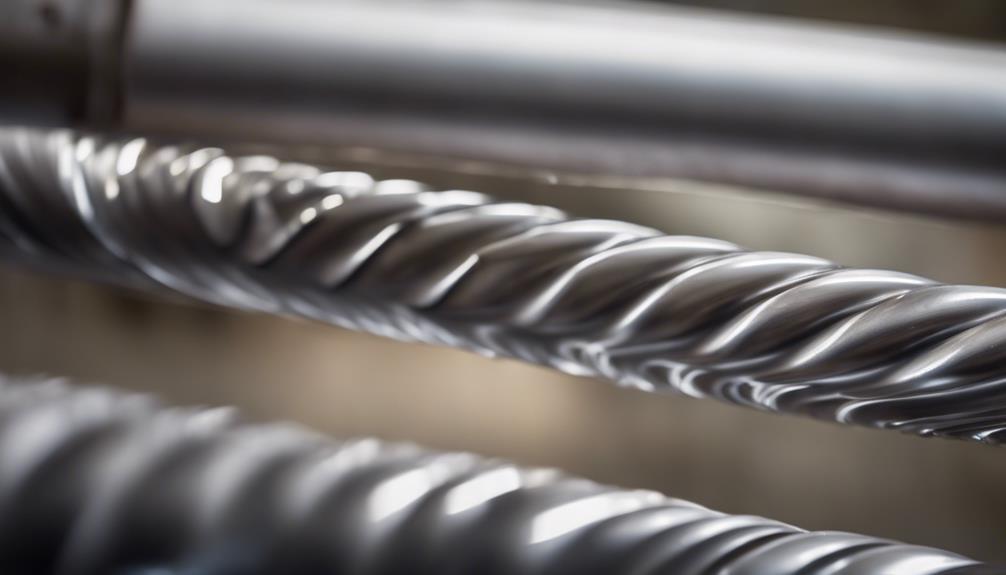
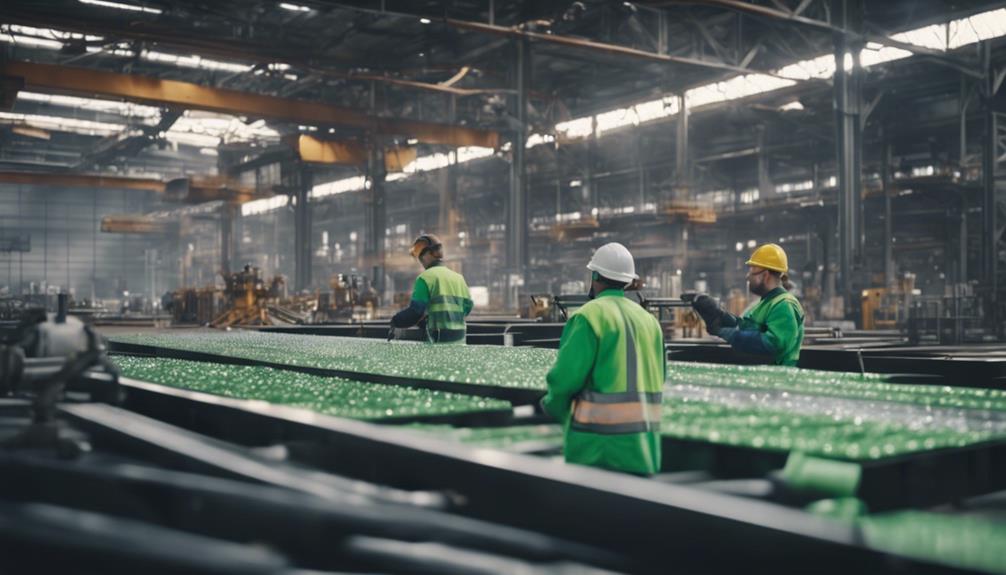
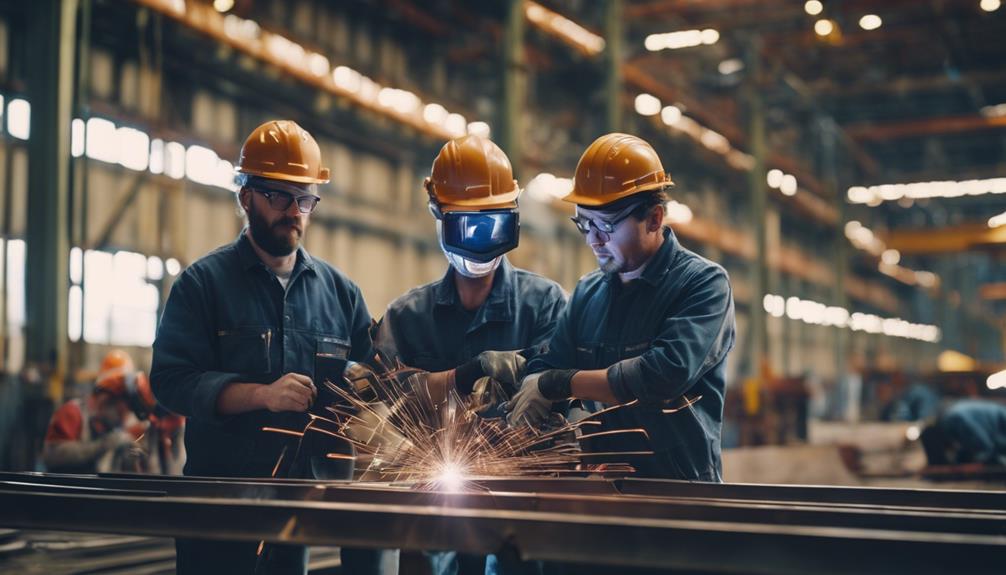
Stainless steel excels in industrial steel fabrication due to its unparalleled durability, corrosion resistance, and environmental friendliness. It guarantees structures last longer, resisting corrosion and wear, making it ideal for harsh industrial environments. With over 150 grades available, stainless steel offers customized solutions for specific requirements, promoting efficiency and longevity in projects. The ease of fabrication allows for efficient cutting, bending, and assembly, leading to stringent quality standards in various applications. Discover more about the fire and heat resistance properties that make stainless steel a top choice in industrial settings.
Key Takeaways
- Unparalleled durability for prolonged lifespan of structures and equipment.
- Exceptional corrosion resistance in harsh industrial environments.
- Eco-friendly with high recycled content and recyclability.
- Versatile with over 150 grades tailored to specific requirements.
- Ease of fabrication for efficient cutting, bending, and assembly processes.
Durability of Stainless Steel in Fabrication
Using stainless steel in industrial fabrication guarantees unparalleled durability due to its exceptional resistance to corrosion, wear, and high temperatures. In the domain of industrial steel fabrication, where materials are exposed to harsh conditions and heavy usage, stainless steel emerges as a top contender due to its sturdy nature. Its ability to withstand corrosion from chemicals, moisture, and other environmental factors ensures that structures and equipment built with stainless steel have a prolonged lifespan. Additionally, the high resistance to wear means that components fabricated from stainless steel maintain their integrity even under constant friction or abrasive conditions, making them ideal for industrial settings.
Best Steel Fabrication Company
Another significant advantage of stainless steel in industrial steel fabrication is its capacity to endure high temperatures without compromising its properties. This characteristic makes it a preferred choice for applications where heat resistance is paramount, such as in manufacturing plants or processing facilities. The strength of stainless steel also plays a vital role in ensuring that structures do not bend or crack under pressure, providing a level of reliability that is essential in industrial operations.
Corrosion Resistance in Industrial Applications
With the addition of chromium in its composition, stainless steel exhibits exceptional corrosion resistance, making it a valuable asset in various industrial applications.
The critical layer created by chromium on the surface of stainless steel plays an essential role in protecting against corrosion in challenging industrial environments.
This unique property allows stainless steel to withstand corrosion better than many other materials, ensuring longevity and reliability in industrial settings.
Different grades of stainless steel offer varying levels of corrosion resistance, allowing industries to choose the most suitable option based on their specific needs.
Stainless steel’s ability to resist corrosion makes it an ideal choice for use in harsh and corrosive industrial environments where other materials may deteriorate rapidly.
The durability and longevity of stainless steel in industrial applications are significantly improved by its outstanding corrosion resistance, making it a preferred material for various fabrication needs.
Environmental Sustainability of Stainless Steel
In the domain of industrial fabrication, the environmental sustainability of stainless steel emerges as a pivotal factor influencing decision-making processes. Stainless steel is a standout choice for industrial steel manufacturing due to its eco-friendly properties. With stainless steel being made from 70% recycled material and being 100% recyclable, it notably reduces the need for new mining activities, thereby lessening the environmental impact of manufacturing processes.
This material’s long-term value proposition lies in its sustainability and recyclability, aligning with the principles of a circular economy. Over half of global stainless steel production originates from scrap metal, showcasing the industry’s commitment to sustainable manufacturing practices. Opting for stainless steel in industrial fabrication not only helps in reducing the carbon footprint but also contributes to a more sustainable future by promoting recycling and waste reduction.
Versatility of Stainless Steel Grades
Considering the myriad industrial applications and demands, the versatility of stainless steel grades plays a crucial role in meeting specific requirements with precision and efficiency. With over 150 grades available for various industrial applications, stainless steel offers a wide range of options for constructing industrial steel structures.
Different grades like 304, 316, and 430 provide specific properties such as corrosion resistance, heat resistance, and strength, making them ideal for different industrial fabrication needs. For instance, 304 stainless steel is commonly used in applications where corrosion resistance is paramount, while 316 stainless steel is preferred for its superior corrosion resistance in more challenging environments.
Each stainless steel grade is tailored to meet particular requirements regarding durability, flexibility, and environmental conditions, allowing for customization and optimization in industrial steel fabrication projects. This adaptability guarantees that the material used is precisely suited to the demands of the industrial steel structure, contributing to the overall efficiency and longevity of the project.
Ease of Fabrication with Stainless Steel
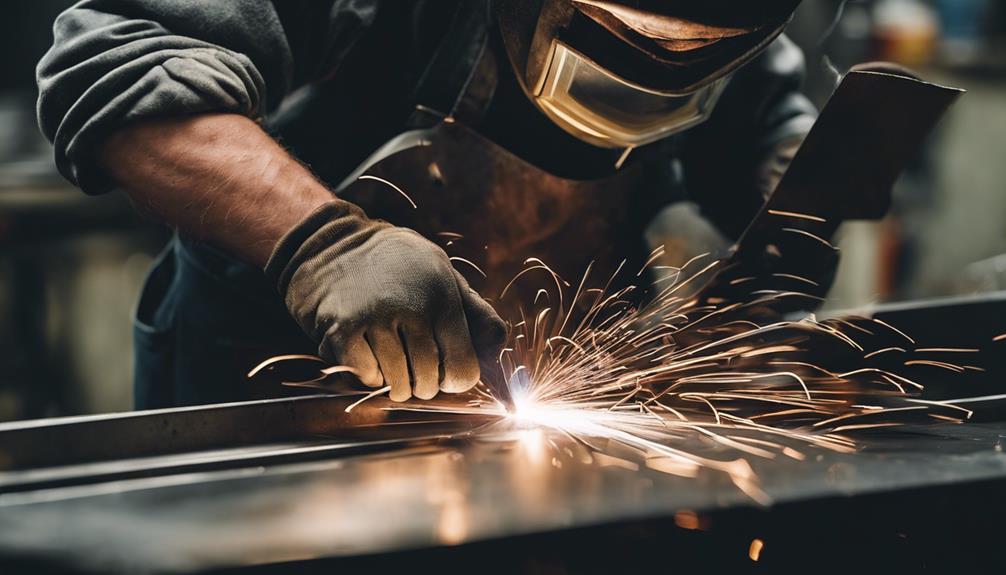
Stainless steel stands out as a material that offers exceptional ease of fabrication, making it highly suitable for a wide range of custom projects and manufacturing jobs that demand precision and quality. Industrial steel fabricators find stainless steel easy to work with due to its properties that allow for cutting, bending, and assembly processes to be carried out efficiently.
However, achieving the desired results requires the expertise and modern equipment of professional fabrication companies specializing in stainless steel. Not all industrial steel fabricators have the necessary resources or experience to work with stainless steel effectively, emphasizing the importance of selecting the right steel fabrication company for successful projects.
The ease of fabrication with stainless steel not only streamlines the manufacturing process but also guarantees that the final products meet stringent quality standards, making it a preferred choice for various industrial applications.
Fire and Heat Resistance Properties
An essential aspect of stainless steel in industrial applications lies in its exceptional resistance to fire and heat. High chromium and nickel-alloyed stainless steel grades exhibit excellent fire resistance properties, maintaining structural integrity even at high temperatures. This feature makes stainless steel well-suited for fire prevention applications where materials need to withstand extreme heat conditions.
Industries commonly utilize stainless steel in equipment such as boilers, valves, and heat exchangers due to its outstanding heat resistance capabilities. The heat-resistant alloys present in stainless steel guarantee durability and reliability in environments with elevated temperatures, providing a pivotal advantage for industrial settings where fire and heat resistance are paramount.
Frequently Asked Questions
What’s the Main Advantage of Stainless Steel?
The main advantage of stainless steel lies in its exceptional corrosion resistance, primarily attributed to the presence of chromium. This characteristic enables stainless steel to withstand harsh environments, ensuring long-term durability and minimal maintenance requirements.
Why Stainless Steel Is Used as Construction Material in Industries?
Stainless steel is favored as a construction material in industries for its exceptional durability, corrosion resistance, strength, impact resistance, heat resistance, aesthetic appeal, ease of fabrication, low maintenance requirements, and long-term value, making it a versatile and cost-effective choice for various industrial applications.
Is Stainless Steel Good for Industrial?
Yes, stainless steel is an excellent choice for industrial applications due to its high durability, corrosion resistance, tensile strength, impact resistance, and ability to withstand high temperatures. Its low maintenance needs and longevity also contribute to its suitability in industrial settings.
What Is the Main Advantages of Using Stainless Steel Instead of Mild Steel?
Stainless steel surpasses mild steel in corrosion resistance, strength, durability, heat resistance, and hygiene levels. Its chromium content enhances longevity, reduces maintenance costs, and guarantees compliance with strict cleanliness regulations. These attributes make it a superior choice for various industrial applications.
Conclusion
To sum up, the advantages of using stainless steel for industrial steel fabrication are significant. Its durability, corrosion resistance, environmental sustainability, versatility in grades, ease of fabrication, and fire and heat resistance properties make it a preferred choice in various industrial applications.
Stainless steel’s unique combination of properties makes it a reliable and long-lasting material for a wide range of industrial fabrication needs.
by Abdullah | Apr 23, 2024 | Storage Tanks
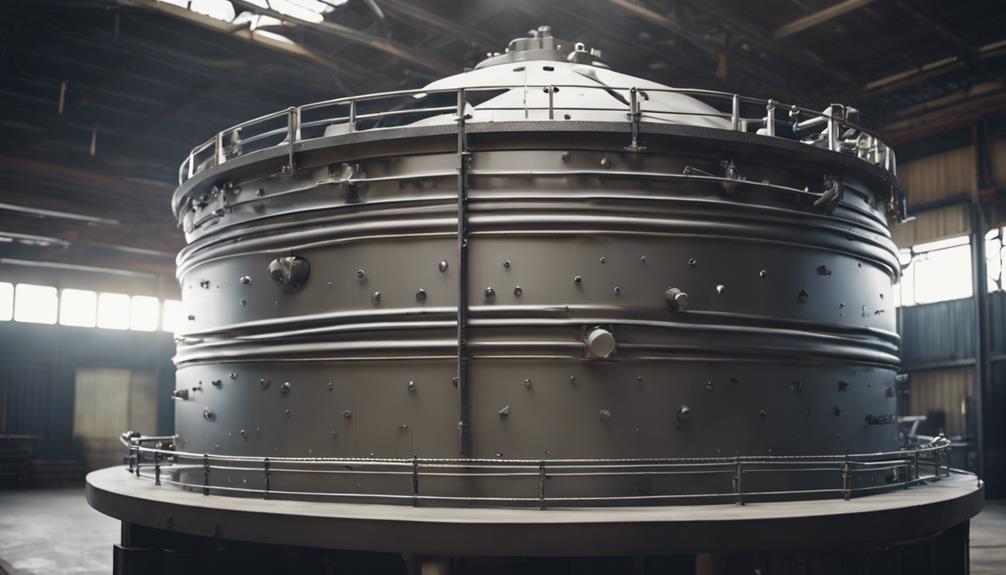
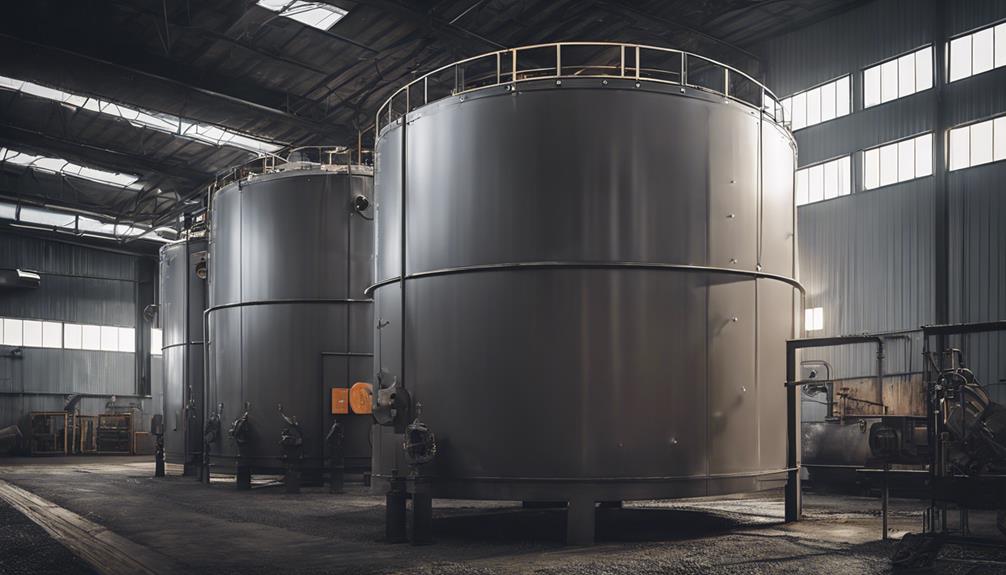
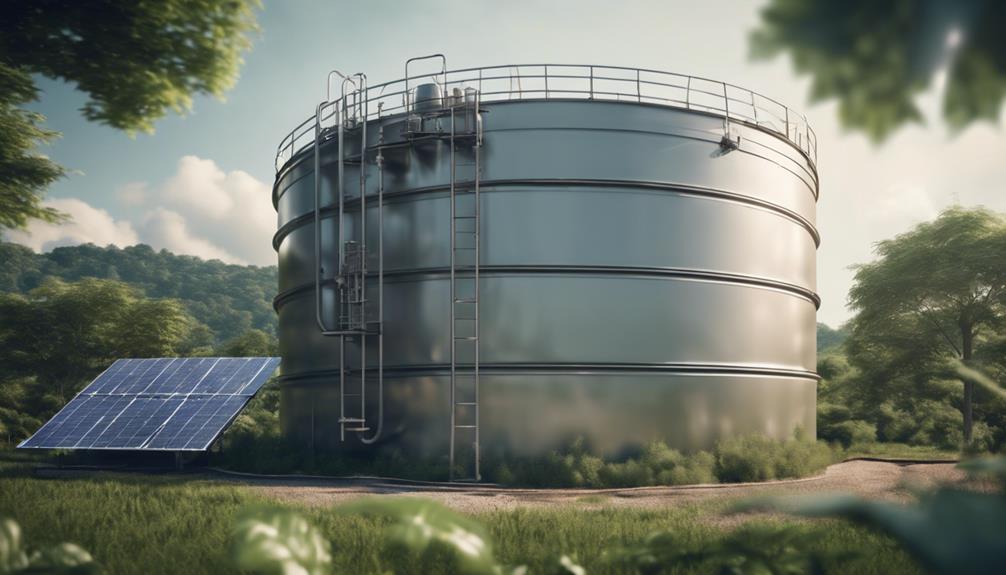
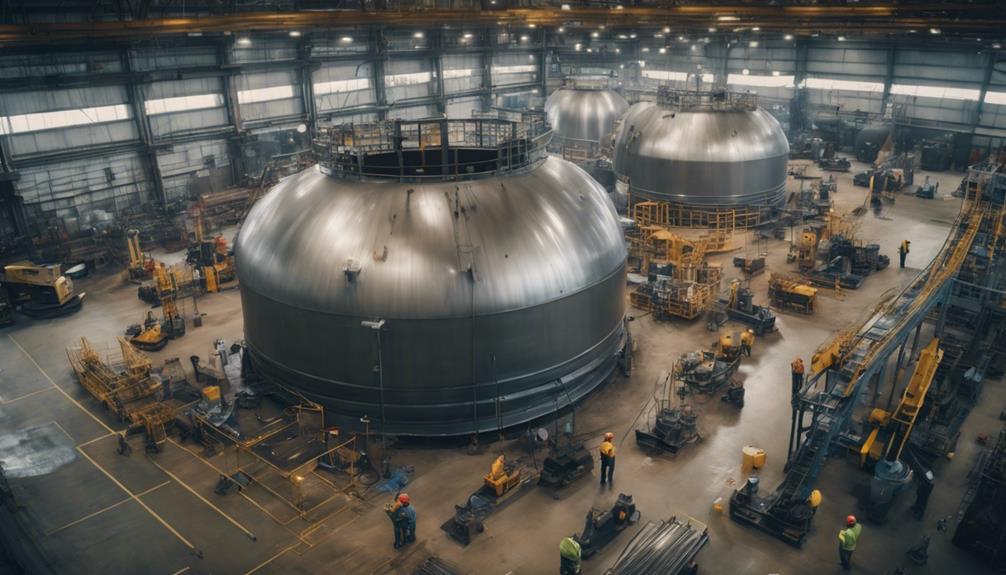
Steel tank manufacturers revolutionize industrial storage through innovative bolted tank designs, rapid installation, cost-effectiveness, customization, and a focus on sustainability. The modular steel tanks offer customizable solutions and easy transportation. They guarantee specific industrial needs are met swiftly, offering cost-effective, low-maintenance options that boost productivity. With tailored designs, durable materials, and eco-friendly practices, industrial storage becomes efficient and reliable, meeting diverse industry requirements. This transformative approach sets a new standard for industrial storage solutions, optimizing performance and longevity.
Key Takeaways
- Innovative bolted steel tanks offer modular, customizable solutions.
- Rapid installation and customization meet specific industrial storage needs.
- Cost-effective solutions reduce maintenance expenses for businesses.
- Flexibility in design ensures tailored solutions for diverse industries.
- Prioritization of environmental sustainability and durability in storage solutions.
Innovative Design of Bolted Steel Tanks
The innovative design of bolted steel tanks revolutionizes industrial storage by offering a modular, customizable solution that enhances efficiency and sustainability. These tanks feature a unique construction method with individual steel panels that are assembled on-site, allowing for flexibility in size and capacity. By bolting together these panels, tank customization becomes a straightforward process that facilitates easy transportation and installation without requiring specialized equipment.
The modular nature of bolted steel tanks enables manufacturers to adjust tank dimensions, coatings, and accessories to meet specific project requirements. This adaptability not only streamlines the manufacturing process but also guarantees that each tank is tailored to the customer’s needs. Additionally, the environmental benefits of bolted steel tanks cannot be overstated. By reducing maintenance expenses and minimizing environmental impact, these tanks promote sustainability in industrial storage solutions.
Rapid Installation and Customization Capabilities
Steel tank manufacturers excel in providing swift installation and highly customizable options for bolted steel tanks, meeting diverse industrial storage needs efficiently. These manufacturers offer rapid installation of bolted steel tanks, greatly reducing project timelines.
By allowing customization of tank dimensions, coatings, and accessories, they make certain that specific industrial storage requirements are met effectively. Bolted steel tanks can be easily assembled on-site using individual steel panels, providing flexibility in design and construction. This quick installation process not only saves time but also allows for adjustments to be made promptly as needed.
The customization capabilities of these tanks make them suitable for various industrial applications, from small-scale projects to large industrial installations. The combination of rapid installation and customization options offered by steel tank manufacturers revolutionizes industrial storage solutions, ensuring that businesses can efficiently and effectively store their materials and liquids with ease.
Steel Tank Cost-Effectiveness and Reduced Maintenance
When considering industrial storage solutions, one can appreciate the significant cost-effectiveness and reduced maintenance benefits offered by steel tank manufacturers. These manufacturers provide cost-effective solutions that outperform traditional storage methods, resulting in lower overall expenses for businesses. Maintenance costs are markedly lower with steel tanks, saving time and valuable resources for industrial operations. The durability and longer lifespan of steel tanks make them a reliable storage option compared to alternatives, ensuring that businesses benefit from a long-term storage option that requires minimal upkeep.
Moreover, the efficiency of steel tanks directly translates to reduced downtime and operational disruptions, ultimately enhancing productivity within industrial settings. Steel tank manufacturers employ advanced manufacturing techniques to deliver high-quality, low-maintenance storage solutions tailored for industrial applications. By investing in steel tanks from reputable manufacturers, businesses can achieve a balance between cost-effectiveness and reliability, thereby optimizing their storage infrastructure for long-term success.
Steel Tank’s Flexibility in Design and Construction
With a focus on meeting diverse project requirements, manufacturers of steel tanks excel in providing tailored design solutions for a wide range of industries. Steel tank manufacturers offer flexibility in design by customizing tank dimensions, coatings, and accessories to meet specific project requirements. This customization guarantees that each application receives a stainless steel water tank suited to its unique needs.
The design and construction of steel tanks allow for easy adjustment in size and capacity, making them versatile for various applications. Utilizing bolted panel technology enables rapid installation, eliminating the need for specialized equipment and reducing overall project timelines.
The ability to customize steel tank design not only enhances flexibility but also contributes to environmental sustainability by promoting long-term durability and minimizing maintenance costs over the tank’s lifespan. This adaptability in design and construction sets steel tank manufacturers apart in providing efficient and effective storage solutions for industrial applications.
Steel Storage Tanks Environmental Sustainability and Durability
Environmental sustainability and durability are paramount considerations in the design and manufacturing processes of industrial storage tanks. Stainless steel tank manufacturers prioritize these aspects by utilizing recyclable materials and promoting water conservation.
The focus on durability guarantees that the tanks offer long-lasting storage solutions across various industrial applications. The robust design of steel tanks enables them to withstand harsh environmental conditions, enhancing their durability and reliability.
By using high-quality steel in the manufacturing process, stainless steel tank manufacturers assure a longer lifespan for the industrial storage tanks, reducing the frequency of replacements. Additionally, advanced coating technologies are implemented to further improve durability and protect against corrosion, ultimately extending the service life of the tanks.
Through these initiatives, stainless steel tank manufacturers not only revolutionize industrial storage but also contribute to environmental sustainability and provide durable solutions for the industry’s storage needs.
Frequently Asked Questions on Steel Storage Tanks
Who is the Largest Manufacturer of Storage Tanks?
The largest manufacturer of storage tanks is Center Enamel. They specialize in bolted steel tanks, offering flexibility, quick assembly, and stability in adverse conditions. Their customizable solutions cater to various industrial needs, making them a top choice.
Why Steel Tanks Are Used for Storage of Hot Water?
Steel tanks are used for storing hot water due to their exceptional heat absorption, efficient heat retention, and ability to evenly distribute heat. Steel’s durability, resistance to corrosion, and thermal conductivity make it ideal for this purpose.
What are Industrial Storage Tanks Used For?
Industrial storage tanks are essential for storing large quantities of liquids like chemicals, oils, gases, and water in industries such as manufacturing, pharmaceuticals, petrochemicals, and food processing. They guarantee safe containment, transportation, and compliance with regulations.
What is the Main Purpose of Distribution Storage Tanks?
Distribution storage tanks serve as crucial components in industrial settings, primarily facilitating the consistent supply of water for manufacturing processes, cooling systems, and other operational needs. Their main purpose lies in maintaining a balance between water demand and supply within industrial facilities.
Conclusion
To sum up, steel tank manufacturers have transformed industrial storage through their innovative design, rapid installation, cost-effectiveness, flexibility, environmental sustainability, and durability.
These tanks provide a reliable and efficient solution for storing various liquids and materials in industrial settings.
The advancements in steel tank technology have greatly enhanced storage capabilities and have become a preferred choice for many industries worldwide.
by Abdullah | Apr 20, 2024 | Steel Products
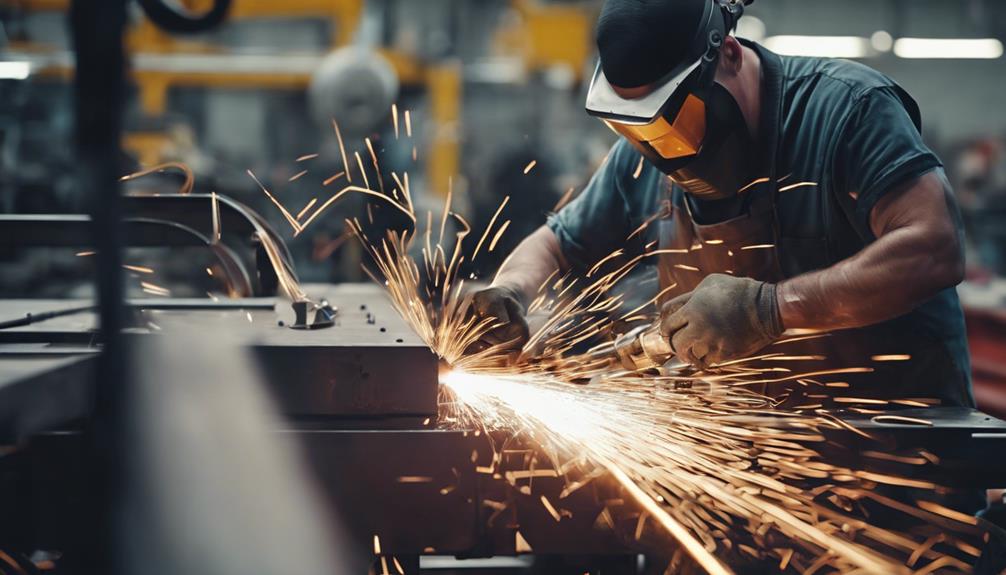
Steel product manufacturing is the backbone of various industries, providing essential components for construction, machinery, and transportation sectors. Processes like blast furnaces and electric arc furnaces produce high-quality steel for infrastructure development. Steel’s strength, durability, and customization options make it ideal for machinery manufacturing. In transportation, steel guarantees safety in automotive, railway, aerospace, and shipbuilding applications. Advancements in green steel technology aim to promote sustainability and reduce carbon emissions. Future trends in steel manufacturing focus on innovation, sustainability, and technological advancements to meet industry demands efficiently. Discover more about the critical role of steel in shaping industries.
Key Takeaways
- Steel manufacturing crucial for infrastructure, machinery, transportation
- Steel provides strength, durability, and versatility for various industries
- Green steel technology focuses on sustainability and reducing carbon footprint
- Advancements in steel alloys enhance strength and sustainability
- Future trends include digital twins, Industry 4.0 integration, and sustainable practices
Steel Products Production Process
Steel production processes play a pivotal role in the manufacturing industry, employing a combination of traditional and modern techniques to convert raw materials into high-quality steel products.
Steel Manufacturing Company
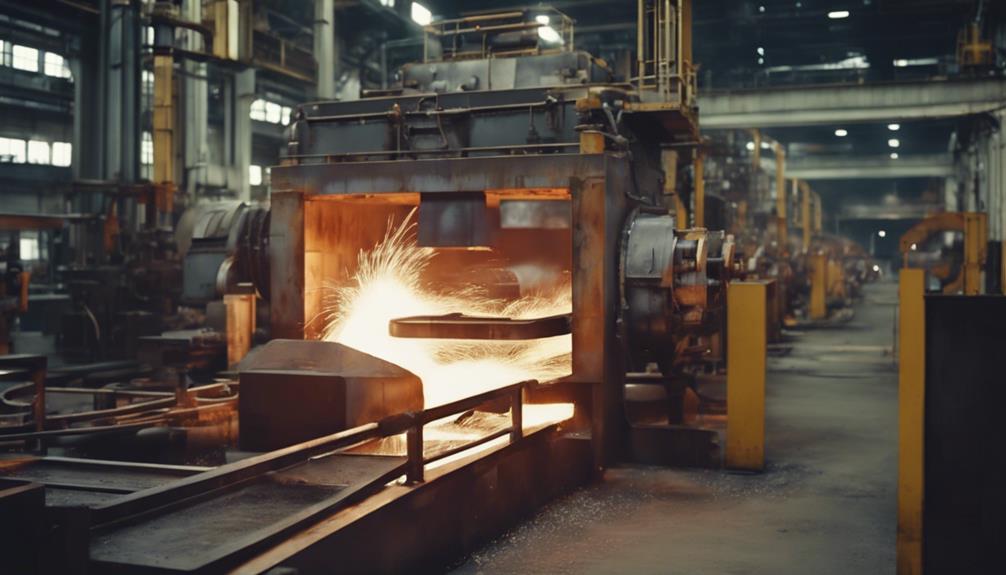
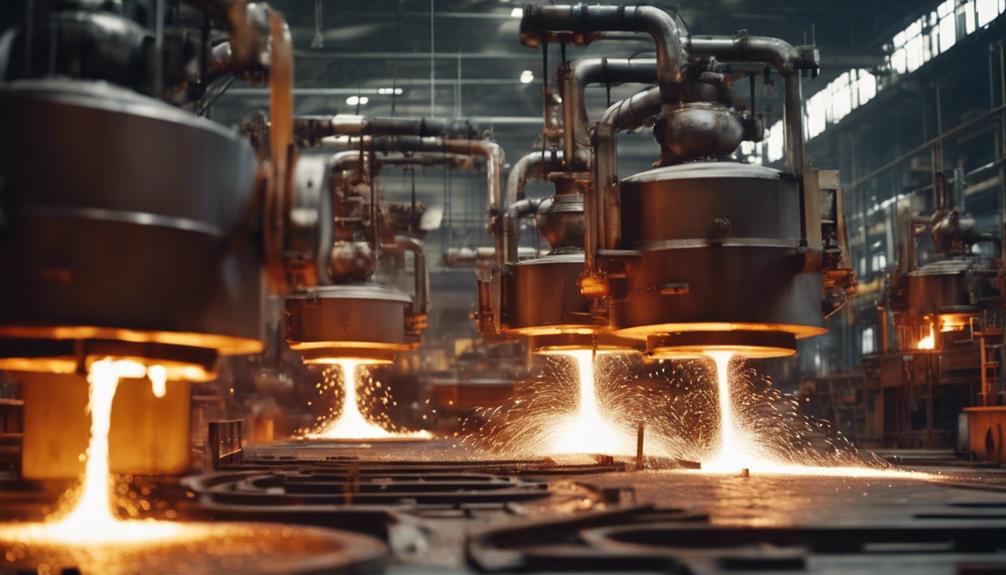
In the domain of steel manufacturing, two primary methods are commonly used: blast furnaces and electric arc furnaces. Blast furnaces are integral in the initial stages of steel production, where they convert iron ore into molten iron. This molten iron is then further refined into steel through various processes. On the other hand, electric arc furnaces have gained prominence for their ability to melt scrap steel using electricity, resulting in the production of new steel products in a more energy-efficient manner.
Additionally, continuous casting processes are employed to shape the molten steel into various forms such as slabs, billets, or blooms. These processes are meticulously controlled to regulate factors like temperature, composition, and casting methods, ensuring the quality and consistency of the final steel products.
The combination of these traditional and modern techniques in steel manufacturing is vital for meeting the diverse demands of industries and maintaining high standards of product quality.
Importance of Steel in Infrastructure
Playing an essential role in the development of infrastructure, steel emerges as a foundational material supporting the construction of bridges, highways, and buildings. Steel’s significance lies in its strength, durability, and versatility, making it an ideal choice for structural components in various infrastructure projects.
Steel manufacturing companies play an important role in providing the necessary materials for these developments. The ability to customize steel to meet specific infrastructure requirements guarantees that projects are not only structurally sound but also safe and long-lasting. Additionally, steel’s corrosion resistance properties shield infrastructure from environmental factors, thereby increasing its lifespan and reducing maintenance costs.
Role of Steel in Machinery Manufacturing
With its indispensable role in infrastructure firmly established, the significance of steel extends seamlessly into machinery manufacturing, where it serves as a foundational material for ensuring the strength and durability of critical components.
Steel is a fundamental element in the production of machinery, providing the necessary strength and durability for various components such as gears, shafts, and heavy equipment. The reliability and structural integrity of these machinery parts heavily depend on the use of steel.
One of the key advantages of steel in machinery manufacturing is its versatility, allowing for customization to meet specific requirements and ensure peak performance. Additionally, the cost-effectiveness of steel contributes to lower maintenance costs and extends the lifespan of machinery products.
Steel’s resistance to corrosion and high structural integrity make it an ideal choice for critical applications in machinery manufacturing, where reliability and performance are paramount. The use of steel in machinery manufacturing plays an essential role in guaranteeing the efficiency and longevity of industrial equipment.
Impact of Steel in Transportation Equipment Manufacturing
Steel’s pivotal role in the domain of transportation equipment underscores its unmatched strength and durability in ensuring the safety and reliability of various modes of conveyance.
In the automotive industry, where over 50% of vehicles’ weight comprises steel components, high-strength steel is extensively used to enhance safety and structural integrity in vehicle frames and body panels.
Steel’s impact also resonates in railways, playing an essential role in the construction of tracks, bridges, and train compartments, ensuring the smooth operation of train services.
In addition, in the aerospace sector, steel is indispensable for critical components such as landing gear, engine parts, and structural elements due to its exceptional strength and durability, contributing to the safety of air travel.
Additionally, steel’s presence in shipbuilding guarantees the reliability and longevity of various maritime vessels, ranging from cargo ships to luxurious cruise liners.
The utilization of steel in transportation equipment underscores its significance in maintaining the efficiency and safety standards of different modes of transport, making it an indispensable material in this industry.
To meet the growing demands, advancements in steel manufacturing factories continue to enhance the quality and performance of steel for transportation applications.
Advancements in Green Steel Technology
The evolution of green steel technology signifies a significant shift towards environmentally sustainable practices in the steel manufacturing industry. Green steel technology focuses on reducing the environmental impact of steel production through sustainable practices and processes.
Advancements in this field include using renewable energy sources, recycling scrap steel, and minimizing carbon emissions. These innovations aim to meet global sustainability goals and reduce the industry’s carbon footprint. Green steel production methods prioritize energy efficiency, waste reduction, and lower greenhouse gas emissions.
The development of green steel technology is essential for creating a more environmentally friendly and sustainable steel industry. By embracing green steel technology, manufacturers can contribute to a cleaner and greener future while meeting the increasing demand for sustainable steel products.
As the industry continues to evolve, the integration of green steel practices will play a vital role in shaping a more eco-conscious steel manufacturing sector.
Future Trends in Steel Manufacturing
Future trends in the manufacturing of steel are increasingly centered around sustainable practices and technological advancements to minimize environmental impact and enhance efficiency.
Green steel production methods are being prioritized to reduce the carbon footprint of steel manufacturing processes.
The adoption of digital twins and simulation technology allows for real-time monitoring and analysis, leading to more informed decision-making in steel production.
Industry 4.0 technologies such as automation, data analytics, and the Internet of Things (IoT) are being integrated to optimize steel manufacturing processes further.
Vital steel technology plays a significant role in structural health monitoring and integrity assessment within the industry, ensuring safety and quality standards are met.
Additionally, ongoing innovations in steel alloys are resulting in materials with exceptional properties like increased strength and corrosion resistance, shaping the future of steel manufacturing towards more durable and sustainable solutions.
These advancements demonstrate the industry’s commitment to embracing cutting-edge technologies for a more efficient and environmentally conscious approach to steel production.
Frequently Asked Questions on Steel Products Manufacturing
What is the Backbone of Steel Industry?
The backbone of the steel industry lies in its fundamental role as a provider of strength, durability, and versatility to various sectors. Steel’s essential properties support infrastructure, construction, and manufacturing, making it indispensable for modern civilization’s development and growth.
Why is the Steel Industry Important?
The steel industry is essential due to its fundamental role in infrastructure, construction, and manufacturing sectors. Steel is vital for building structures, machinery, and transportation, contributing greatly to economic development and industrial progress globally.
Why is Iron Ore Called the Backbone of Industrial Development?
Iron ore is referred to as the backbone of industrial development due to its critical role as a primary raw material for steel production, which is essential for construction, manufacturing, and infrastructure projects worldwide.
What are Key Success Factors in the Steel Industry?
Key success factors in the steel industry include technological advancements, innovation in production processes and materials, adaptation to global trends like sustainability and digital transformation, a skilled workforce for new technologies, and compliance with environmental regulations for competitiveness.
Conclusion
To sum up, steel product manufacturing plays a vital role in the backbone of various industries, including infrastructure, machinery manufacturing, and transportation equipment.
With advancements in green steel technology, the industry is moving towards more sustainable practices. Future trends in steel manufacturing are expected to focus on efficiency, innovation, and meeting the growing demands of a rapidly evolving market.
Steel will continue to be a key component in driving growth and development across various sectors.
by Abdullah | Apr 17, 2024 | Storage Silos
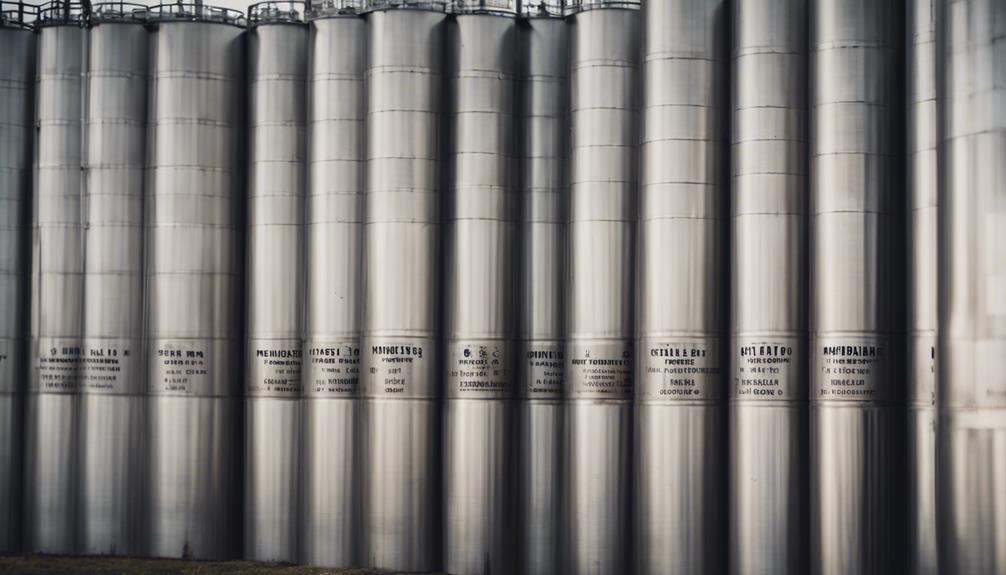
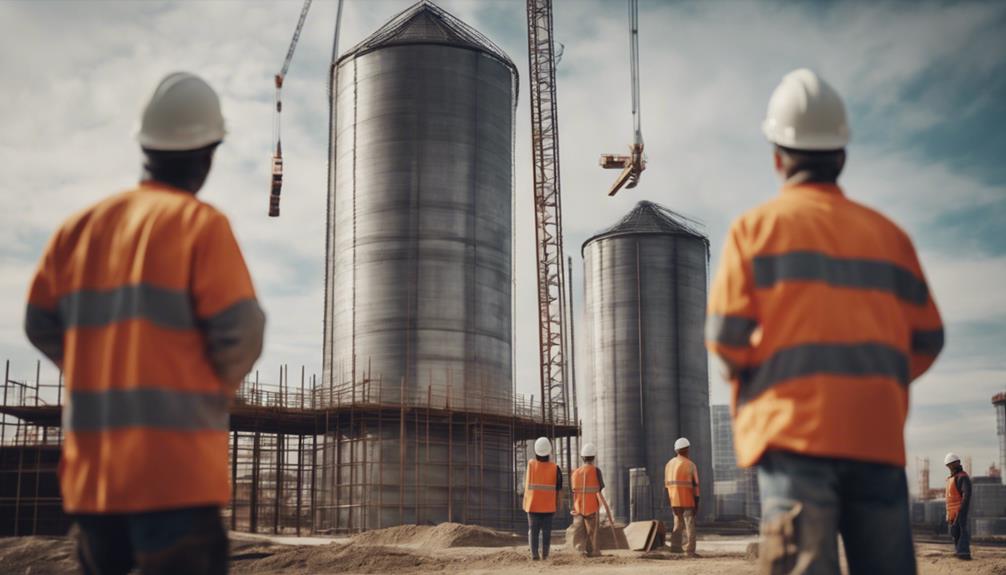
To find reliable steel silo manufacturers, examine their track record, certifications, customer reviews, reputation, silo design experience, and construction efficiency. Look for a proven history of successful projects and high-quality products, along with adherence to industry standards and local regulations. Positive client testimonials and a good reputation are indicators of credibility. Prioritize manufacturers with extensive experience in silo design and construction to guarantee tailored solutions. Different construction types offer various benefits such as quick assembly or high strength. Evaluating these factors will guide you in selecting trustworthy manufacturers for your project.
Key Takeaways
- Evaluate manufacturers’ track record for successful projects and high-quality products.
- Ensure certifications like ISO 9001 and compliance with industry standards.
- Consider customer reviews, testimonials, and overall satisfaction for credibility.
- Examine reputation, awards, completed projects, and client references.
- Prioritize experience in silo design, construction efficiency, and effectiveness.
Steel Silo Manufacturers Track Record
When seeking reliable steel silo manufacturers, examining their track record is essential to ensure successful project outcomes. Steel silo manufacturers with a proven history of delivering high-quality products and completing successful projects are vital for ensuring the durability and reliability of the silos. Clients should look for manufacturers with a demonstrated expertise in steel silo construction and design, as this directly impacts the functionality and longevity of the silos.
A manufacturer’s track record can reflect their experience in handling various projects and their ability to meet client requirements effectively. Positive client testimonials and references are indicators of customer satisfaction and can provide valuable insights into the manufacturer’s credibility and professionalism. Evaluating a manufacturer’s past projects can offer a glimpse into their capabilities in steel silo design and construction, helping clients make informed decisions when selecting a manufacturer for their upcoming projects.
Steel Silo Certifications and Standards Compliance
Ensuring compliance with certifications and industry standards is vital when selecting steel silo manufacturers for your project. Look for manufacturers with ISO 9001 certification, ensuring adherence to quality management systems.
Additionally, check if the manufacturer meets industry standards like EN 1090 for steel structures, guaranteeing the quality of the product. Manufacturers with CE certification provide further assurance of conformity to European standards, enhancing the credibility of the stainless steel silo they produce.
It is essential to verify if the manufacturer adheres to local building codes and regulations to guarantee the safety and reliability of the corrugated steel silo. Ensuring the manufacturer follows relevant design codes such as API 650 for welded steel tanks is essential for the structural integrity of the silo.
Prioritizing manufacturers with these certifications and standards compliance will contribute to the success and longevity of your steel silo project.
Customer Reviews and Testimonials
Customer feedback and testimonials play a crucial role in evaluating the quality and service standards of steel silo manufacturers. These firsthand accounts provide valuable insights into the reliability, communication, and delivery aspects of the manufacturer. Positive reviews can serve as indicators of a trustworthy and reputable steel silo manufacturer.
By analyzing customer experiences, you can make an informed decision when selecting a manufacturer for your project. Feedback on important factors such as timely completion, after-sales support, and product durability can guide you in choosing the right steel silo manufacturer. Testimonials offer a glimpse into the overall customer satisfaction levels and the manufacturer’s ability to meet expectations.
It is essential to explore a variety of reviews to get a thorough understanding of the manufacturer’s performance and reputation in the industry. Prioritizing customer feedback can lead to a successful partnership with a reliable steel silo manufacturer for your project.
Reputation and Customer Satisfaction
To gain insight into a steel silo manufacturer’s standing in the industry, evaluating their reputation and level of customer satisfaction is crucial. One effective way to gauge this is by checking customer reviews and testimonials. Positive feedback is indicative of satisfied customers, showcasing the manufacturer’s ability to meet expectations. Additionally, industry certifications and awards can serve as external validations of the manufacturer’s reputation for quality and reliability.
Furthermore, examining the manufacturer’s track record of completed projects and client references can offer valuable insights into their performance and customer satisfaction levels. A reputable manufacturer typically has a history of successful projects and happy clients willing to provide positive feedback. It is also essential to take into account how a manufacturer responds to feedback and resolves any issues that may arise, as this illustrates a commitment to customer satisfaction.
Lastly, evaluating the manufacturer’s standing in the industry through rankings, partnerships, and collaborations can provide a broader perspective on their reputation and credibility within the steel silo manufacturing sector.
Experience in Steel Silo Design
With a preference for manufacturers boasting over three decades of experience in silo design, selecting a seasoned expert in the field is paramount. Manufacturers with such extensive experience have likely encountered a wide array of challenges and have refined their designs over the years. This expertise is invaluable when it comes to guaranteeing that the silo meets industry standards and specific requirements. Companies widely used in agriculture, food, and chemical sectors are often chosen for their specialized knowledge and proven track record in delivering high-quality silos tailored to each industry’s needs.
When evaluating manufacturers, focus on those capable of providing tailored solutions that address unique industry demands effectively. A key aspect to examine is the manufacturer’s emphasis on durability and corrosion resistance in their design process. Opting for manufacturers that prioritize these aspects ensures the longevity and reliability of the silo, reducing maintenance costs and potential downtime in the future. As a result, experience in silo design is an essential factor to take into account when selecting a reliable steel silo manufacturer for your project.
Construction Efficiency and Effectiveness
Enhancing construction efficiency and effectiveness in steel silos can be achieved by selecting the appropriate type, such as bolted, spiral, or welded steel silos, based on project requirements and timeline constraints.
Bolted and spiral steel silos are preferred for their lightweight nature and quick assembly, contributing to streamlined construction processes. Spiral steel silos, particularly, offer a short construction period coupled with high strength, making them effective for ensuring timely project completion. On the other hand, bolted steel silos are characterized by a simple assembly process, detachable components, and a high degree of standardization, all of which enhance construction effectiveness.
Welded steel silos, known for their good airtightness, considerable strength, and superior corrosion resistance, also play an essential role in ensuring construction efficiency. Ultimately, the choice of steel silo type plays a crucial role in the overall construction efficiency and effectiveness, emphasizing the importance of aligning the selection with project-specific needs and timelines.
Frequently Asked Questions on Steel Silos
How is Silos Manufactured?
Silos are manufactured through processes like bending, shaping, welding thick steel plates for strength, airtightness, or connecting profiled steel sheets with high-strength bolts. Spiral steel silos are formed through continuous bending and biting of galvanized coil plates.
What is the Most Popular Type of Silo?
The most popular type of silo in modern construction is the Spiral Steel Silo, offering diameters from 3 to 25 meters. Known for their lightweight yet strong design, these silos have a maximum height-diameter ratio of 5.75, providing efficient storage solutions.
What is the difference between a Silo and a Warehouse?
A silo is a structure designed for storing bulk materials with a smaller footprint and specialized features, while a warehouse is a larger building for general storage. Silos are ideal for specific materials, while warehouses offer flexibility for various products.
What is the Useful Life of a Silo?
The useful life of a steel silo can exceed 30 years with proper maintenance. Regular inspections, material quality, construction techniques, and environmental factors play vital roles in determining the longevity of a silo. Manufacturers offer guidance to extend operational lifespan.
Conclusion
To guarantee, when searching for dependable steel silo manufacturers for your project, it is crucial to take into account factors such as:
- the manufacturer’s track record,
- certifications and standards compliance,
- customer reviews and testimonials,
- reputation,
- experience in silo design,
- and construction efficiency and effectiveness.
By thoroughly evaluating these aspects, you can make sure that you are working with a reputable and experienced manufacturer who will deliver high-quality steel silos for your project.
by Abdullah | Apr 12, 2024 | Steel Structure
With over 20 years of experience, we are the leading steel structure company in Saudi Arabia, known for surpassing client expectations and delivering enduring, superior structures. Our steel structures offer exceptional durability, resilience, and fire resistance, requiring minimal maintenance. We specialize in customizable designs tailored to diverse project needs and prioritize energy efficiency for sustainability. Trust us for reliable, quality, and innovative solutions for all your building needs. Explore further to discover how we consistently meet and exceed our clients’ expectations.
Key Takeaways
- Over 20 years of proven experience in designing and constructing high-quality steel structures.
- Reputation for excellence in surpassing client expectations and managing projects effectively.
- Unparalleled durability with exceptional strength, resilience, and resistance to various elements.
- Customizable designs tailored to meet unique project needs and exceed client expectations.
- Energy-efficient solutions prioritize sustainability, cost savings, and optimized thermal performance.
Steel Structure Company Expertise and Dedication
With over 20 years of experience in designing and constructing high-quality steel structures, our team’s expertise and dedication are unparalleled in the industry. As a leading steel structure company in Saudi Arabia, we have built a reputation for excellence by consistently surpassing client expectations and delivering exceptional results. Our track record speaks for itself, demonstrating our ability to effectively manage projects and guarantee timely completion without compromising on quality.
At our steel structure company in Saudi Arabia, we recognize the importance of providing customized solutions tailored to meet the unique needs of each client. Our team of experts is devoted to working closely with clients to bring their vision to life while upholding the highest standards of craftsmanship and professionalism. By choosing to partner with us, clients can have confidence that they are collaborating with a dependable and skilled team dedicated to delivering superior steel structures that endure the test of time.
Steel Structure Unparalleled Durability
Renowned for its exceptional strength and resilience, our steel structures display unparalleled durability that guarantees long-term structural integrity.
When it comes to steel structure construction, durability is a key factor that distinguishes our buildings. Our steel structures are designed to withstand severe weather conditions, ensuring that your building remains secure and stable over time.
The non-combustible and fire-resistant nature of steel further enhances the safety of the structure, offering peace of mind to the occupants.
Additionally, the resistance of steel to mold, mildew, and fungal growth helps maintain the integrity of the building, preserving its quality for years to come.
The pest-resistant properties of steel also eliminate the risk of structural damage from termites, providing an added layer of protection.
Steel’s resistance to rotting, warping, or twisting over time ensures that our structures offer long-lasting durability, making them a reliable choice for your building needs.
Low Maintenance Requirements of Steel Structure
Our steel structures’ outstanding durability not only guarantees long-term structural integrity but also translates into low maintenance requirements. Steel structure manufacturers design buildings that require minimal upkeep, thanks to steel’s resistance to mold, mildew, and pests.
The panels provided by metal building manufacturers come in various colors, not just for aesthetic appeal but also for enhanced protection against environmental elements. In addition, premium paint coatings on steel panels offer long-lasting protection, backed by finish warranties, reducing the need for frequent repainting and touch-ups.
An additional advantage of steel structures is their pest-resistant properties, eliminating the necessity for pesticides and lowering maintenance costs. Furthermore, the inherent strength of steel frames prevents common structural issues such as sheetrock cracks, ensuring the building’s long-term reliability with minimal maintenance interventions.
Stainless Steel Structure Customizable Designs
Crafting bespoke solutions to cater to diverse building requirements, our steel structure company offers a wide array of customizable designs.
As one of the leading steel structure companies, we recognize the importance of tailored solutions to meet the unique needs of each project. Our customizable designs are specifically curated to guarantee that your building not only meets but exceeds your expectations.
Whether you are looking for a modern, sleek design or a more traditional and functional layout, our expert team can collaborate with you every step of the way to bring your vision to life.
Energy-Efficient Solutions
Are you seeking environmentally conscious solutions for your building projects? Our steel structure company offers energy-efficient solutions that prioritize sustainability and cost savings.
With deep wall cavities designed for high-quality insulation, our steel structures guarantee energy efficiency by minimizing heat loss. The pre-engineered design further enhances energy performance by reducing air leakage, making the building more thermally efficient.
Additionally, our steel structures feature reflective paint finishes that help reflect the sun’s rays, decreasing heat absorption and lowering cooling costs. Not only do we focus on the building envelope, but our energy-efficient design extends to doors and windows, optimizing thermal performance and reducing overall energy consumption.
Meeting and Exceeding Your Needs
As we strive to meet and exceed your needs, our steel structure company tailors each project to your specific requirements. Our team of experts prioritizes understanding and fulfilling your project specifications with precision and care. We take pride in our ability to deliver high-quality steel building structures that not only meet but also surpass industry standards.
By focusing on your unique needs, we customize our solutions to guarantee maximum functionality and design that align perfectly with your goals. Trust in our steel structure company to provide exceptional results that go beyond your expectations.
With a commitment to excellence and a dedication to personalized service, we guarantee satisfaction in every aspect of your steel building project. Partner with us for a seamless experience that culminates in a steel structure that not only meets your needs but exceeds them in every way possible.
Finally, our steel structure company offers expertise, durability, low maintenance requirements, customizable designs, and energy-efficient solutions to meet and exceed your building needs. Trust in our proven track record of delivering high-quality structures that are built to last and tailored to your specifications.
With our commitment to excellence and customer satisfaction, you can rely on us to provide reliable and efficient solutions for your construction projects.
Frequently Asked Questions on Stainless Steel Structure
What is the Importance of Steel Structure in Construction Work?
Steel structures are essential in construction due to their superior strength, durability, and versatility. They enhance safety, stability, and longevity in buildings, offering cost-effectiveness and innovative design possibilities. Steel construction guarantees resilience against environmental and structural challenges.
What are Some Reason Why Steel Structure is the Best Choice?
Steel structures are the best choice for buildings due to their superior resilience to earthquakes and wind, quick repair capabilities, versatile design options, and cost-effectiveness. They offer strength, durability, and efficiency in construction projects.
Why Structural Steel is Highly Recommended in Building Construction?
Structural steel is highly recommended in building construction for its superior strength-to-weight ratio, resilience to earthquakes and strong winds, quick repair capabilities, design versatility, and cost-effectiveness. These factors make it a preferred choice for modern architectural projects.
Why is Steel used to Support Buildings?
Steel is used to support buildings due to its high strength-to-weight ratio, durability against extreme weather, non-combustible and fire-resistant properties, resistance to pests and structural damage, and ability to resist rot, warp, and twist over time, ensuring long-term stability.