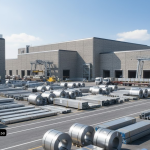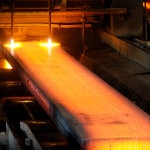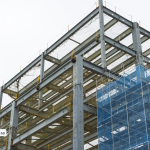

Structural fabrication is pivotal in the defining of buildings, factories, warehouses, and infrastructure projects of today. Whether it be steel beams supporting skyscrapers or factory specific frameworks used in industrial plants, structural fabrication ensures that strength, safety, and a considerable lifetime performance. So, if you are working on a construction or industrial project in planning stages, knowing the working of structural steel fabrication can help seal the best partner, control costs, and attain better results.
Overview The purpose of this guide is to demystify the basic processes, techniques, and advantages of structural fabrication, and to help you begin to envision how your desired outcome might inform the way you work with professional fabrication services.
What Is Structural Fabrication?
Structural fabrication consists of cutting, shaping, and assembling components made of steel to form the structural framework of buildings and industrial facilities. We use steel or other high strength metals to manufacture these components to bear heavy loads and work in a stable manner.
Structural fabrication is different from general metal work as it requires exactness, adherence to engineering designs, and severe quality parameters. Each piece that is created must fit perfectly when it reaches site for safety and functionality.
Key Processes Involved in Structural Fabrication
A basic knowledge of the processes associated with structural fabrication can help clients recognize the merits of using professional quality craftsmanship.
1. Design and Engineering Review
It starts with drawings and calculations; those have a certain look to them. Fabricators check the specs to ensure all loads are accurate as well as following local building codes.
2. Cutting and Shaping
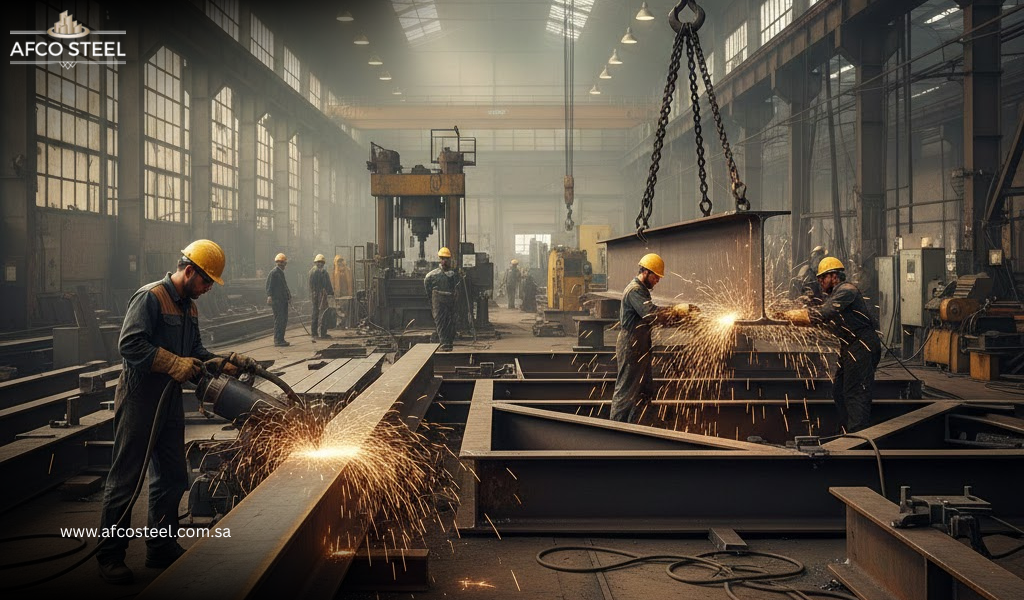
Metal parts are cut by CNC machines, plasma cutters, laser cutting systems, etc. This ensures exactness and uniformity to every component.
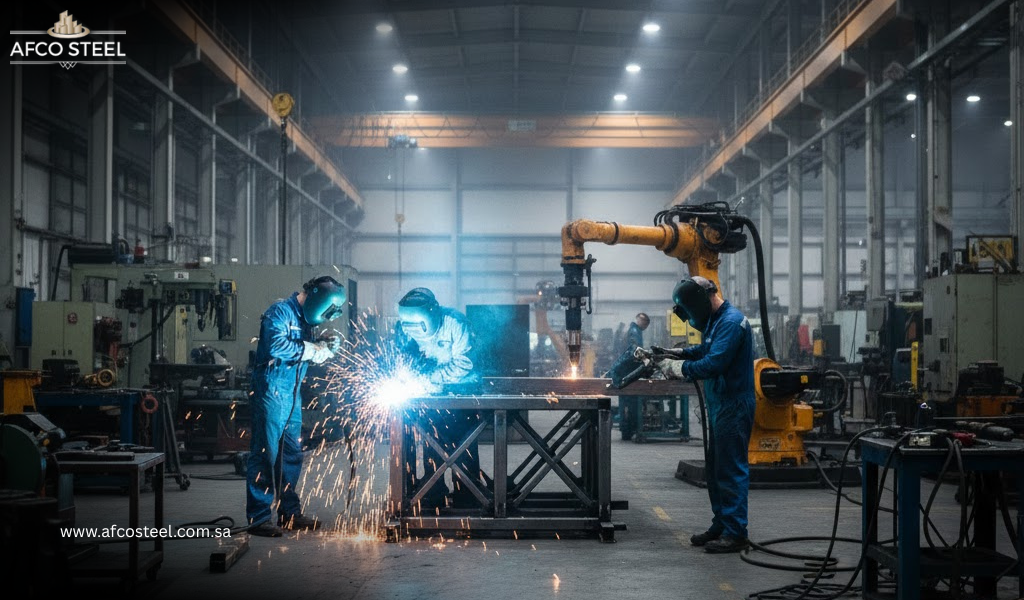
3. Welding and Assembly
Welding fuses individual components together into powerful structural members. As skilled welders, only the demands of highly exacting standards will ensure the survival and safety of daily use over the long term.
4. Surface Treatment and Finishing
Fabricated structures are often sandblasted, painted or galvanized to improve the durability of their surface. It saves from corrosion, and exposure to environmental hazards.
Structural Fabrication Work for Commercial and Industrial Projects
Be it a commercial building, a warehouse, a bridge or an industrial plant, every type of professional structural fabrication work needs to be done. Appropriate solutions differ from project to project depending on load requirements, environmental conditions, and end-use needs.
It makes sure that when this product reaches the site, it installs faster, fewer delays, and fewer construction now and then. It can directly affect the time frame for a project and the overall cost of construction, which is where seasoned fabricators become a need.
Industrial Structural Fabrication: Built for Strength and Scale
Heavy duty structures used in manufacturing units, power plants, refineries and processing plants square measure covered below the identification of industrial structural fabrication. These projects require the ability to bear heavy loads with precision and stringent safety standards.
Many industrial fabrication applications contain large beams, columns, platforms, and other support systems that need to work in extreme situations. Partnering with an expert for your industrial fabrication offers lasting durability and operational performance.
Finding Reliable Structural Fabrication Near Me
Finding structural fabrication near me is not just about location alone. The right fabrication partner should provide:
- Proven industry experience
- Certified welders and skilled technicians
- Advanced fabrication equipment
- Quality control and safety compliance
- On-time delivery and installation support
Local fabrication service can create better communication channels, higher transportation expenses and quicker process of a project.
Benefits of Professional Structural Fabrication Services
Here are some benefits of outsourcing structural fabrication services to such a professional company:
- Tailored solutions catered to your project requirements
- Enhanced safety with precision and multiple quality checks
- Cost savings through fewer errors in project implementation
- Accelerated delivery with off-the-shelf components
- Sustained durability with the backing of expertise
All these advantages make the use of structural fabrication an ideal choice for commercial and industrial developments alike.
Why Structural Fabrication Matters for Your Project?
Whether its a new facility you are building or an existing facility that you a looking to expand, the structural fabrication has great effect on the strength, safety and life of your structure. Assured quality fabrication ensures regulation compliance and dependable function for the lifespan of your project.
A properly aligned and cooperating fabrication partner will further assist you in staying on time and on budget bill as it is essential to your business growth and operations.
Conclusion
If you have a basic grasp of structural fabrication, you can better plan construction or industrial projects. Each step, from in-depth design reviews to fine-tuning welding and finishing work, contributes to the making of resilient and robust structures. So whenever you are hiring structural fabrication professionals, industrial Structural Fabrication, or simply searching for structural fabrication near me to get the work done, choose wisely. A quality fabrication does not just consist of metal, but confidence, safety and longevity.
FAQs on Structural Fabrication
1. What types of projects require structural fabrication?
Structural fabrication is used in commercial buildings, warehouses, factories, bridges, and industrial facilities where strong load-bearing structures are required.
2. How do I choose the right structural fabrication company?
Look for experience, certified professionals, modern equipment, quality control practices, and a proven track record in similar projects.
3. Is industrial structural fabrication different from regular fabrication?
Yes, industrial structural fabrication involves heavier materials, larger components, and stricter safety and performance standards designed for demanding industrial environments.