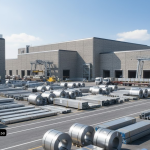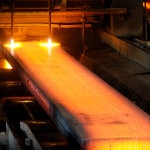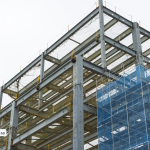

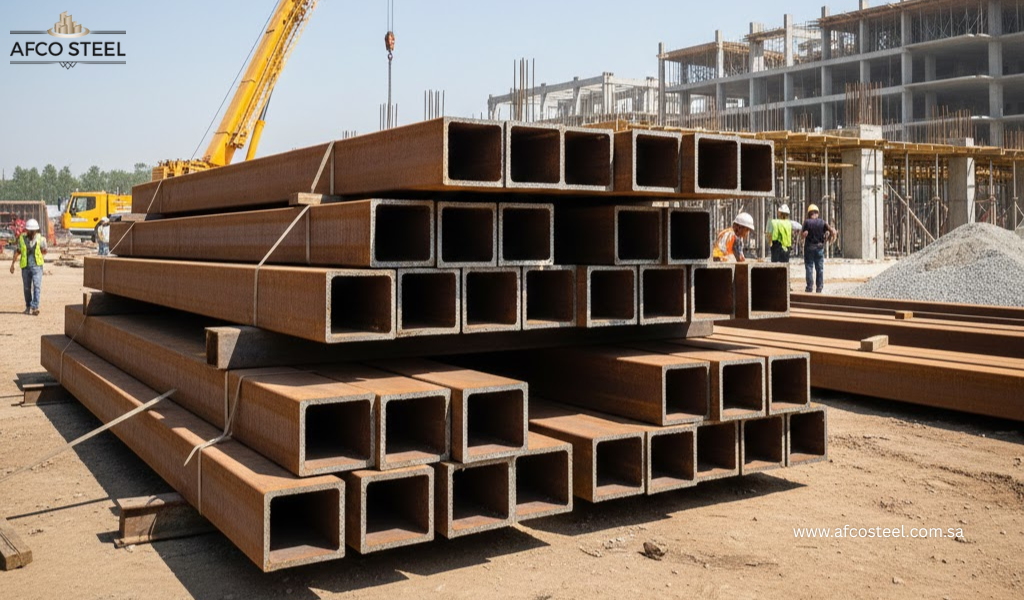
Structural steel has been the foundation for modern construction, from skyscrapers to factories to major infrastructure projects. Structural steel is a widely used construction material known for its structural strength, elasticity, and long-term serviceability, making it a popular choice among architects and engineers to ensure the construction of safer, quicker, and disease repeat efficiently. With global demand soaring, especially amid the structural steel market here in Saudi Arabia, businesses are striving to adopt well-established solutions that satisfy global standards alongside high-speed growth.
In this guide, we discuss structural steel — what it is, what it matters, and how the right structural steel company makes all the difference in your project.
What Is Structural Steel and Why Is It Essential?
Structural steel — a type of steel produced for construction use. It is built to carry a ton of weight, to not deform in the elements, and to last for 30 years. Due to its solid performance and reliable quality, it has been the favored material for commercial, residential, and industrial applications.
Structural steel can be precision engineered, unlike conventional construction materials. This results in quicker installation times, less waste, and a safer workplace environment.
Key Benefits of Structural Steel in Construction
High Strength-to-Weight Ratio
The material of structural steel offers a great deal of strength without any added bulk. Which is well suited for high-rises, long span structures, and anti-seismic structures.
Design Flexibility
Architects can use structural steel to create complex architectural shapes or they can lay out a simple industrial layout but either way, structural steel adapts easily. Will make it possible for Engineers to alter their design without losing stability, saving both time and cost.
Speed of Construction
The prefabricated parts created by structural steel fabrication greatly minimize construction time on-site and aid in keeping projects on a strict timeframe.
Sustainability and Cost Efficiency
Steel can be recycled and reused, making it a green material. Lower lifecycle costs over time means better maintenance and longevity.
Types of Structural Steel Used in Modern Projects
There are different types of structural steel, and knowing them helps you know what to choose for your use:
- Carbon Steel: A very commonly used material because of its strength and low cost
- Alloy Steel: Further improved with different elements for better performance
- High-Strength Low-Alloy Steel: Perfect for major infrastructures
- Stainless Steel: Where corrosion resistance is vital
Also read: How to Choose the Right Structural Steel Grade for Buildings in KSA?
Structural Steel Fabrication: Turning Design into Reality
Structural steel fabrication is the process of assembling structural steel components through cutting, bending, welding, and other processes in compliance with engineering specification. This means that when it is installed on site it will fit precisely, so eliminating the chances of waste due to long lead delays.
By working with an established fabrication provider, developers are assured of quality, safety and longevity in a structure, too.
The Growing Demand in the Saudi Arabia Structural Steel Market
Inflation in Saudi Arabia, in turn, will propel the swift market expansion in the structural steel of this region because of infrastructural augmentation, industrial expansion, and high-end-commercial developments. Need for reliable steel solutions driven by vision-led initiatives and urban development schemes.
Thus, companies are looking for reliable structural steel suppliers in Saudi Arabia to ensure quality, regular supply, and technical advice.
Choosing the Right Structural Steel Company
Choosing the correct structural steel company is very important. An ideal partner is so much more than just a supplier of material but rather an engineering partner with a fabrication que of reservations and a supply chain status that can be counted on.
When evaluating suppliers, consider:
- Industry experience and certifications
- Fabrication and customization capabilities
- Compliance with international standards
- Has demonstrated success with major projects
It helps to work with one of the reputed suppliers of structural steel in Saudi Arabia, so your project is completed without any hindrance of time and quality delays.
Applications of Structural Steel Across Industries
It helps to work with one of the reputed suppliers of structural steel in Saudi Arabia, so your project is completed without any hindrance of time and quality delays.
There are many common applications of structural steel which are:
- Commercial buildings and skyscrapers
- Industrial plants and warehouses
- Bridges and transportation infrastructure
- Power plants and energy facilities
Conclusion
Structural steel continues to be shaping the future of construction in unparalleled strength, productivity and versatility. Choosing the correct kinds of structural steel and working with reliable and experienced Structural Steel importers in Saudi Arabia both make for a successful project. With Saudi Arabia structural steel market on an upward trend, selecting a trustworthy structural steel company having advanced structural steel fabrication capability can help you to build better, faster and more profitably. Structural steel is by far the smartest choice if your focus is on performance over the long term and certainty of construction.
FAQs on Structural Steel
1. Why is structural steel preferred over concrete in many projects?
Structural steel offers faster construction, lighter weight, and greater design flexibility compared to concrete, making it ideal for modern buildings.
2. How do I choose the best structural steel suppliers in Saudi Arabia?
Look for suppliers with proven experience, quality certifications, strong fabrication capabilities, and a reliable delivery network.
3. Is structural steel suitable for sustainable construction?
Yes, structural steel is recyclable, energy-efficient, and supports sustainable building practices with minimal material waste.